

White Supremacy, Capitalism, Secularism: 3 Lenses Affecting Your Worldview | Focal Point | Imam Tom
How Much Divorce Are You Seeing? | Signs of the Hour Ep. 22

Rafi’ (ra) and Rifa’a (ra): Healed With the Prophet’s ﷺ Saliva | The Firsts

Does Islam Command War on Non-Muslims? | Anchored Ep. 5
A Muslim’s Playbook for AI | Khutbah by Sh. Mohammad Elshinawy
Why Harmful Ideas Contain Some Truth | Snapshots with Imam Tom Facchine
Have Your Parents Become A Burden? | Signs of the Hour Ep. 21

Sawad ibn Ghaziyya (ra): He Demanded Payback. This Is What He Got. | The Firsts

Pursue Your Rizq Even With An Axe | Khutbah by Dr. Omar Suleiman
Why They Keep Calling Al-Aqsa the Temple Mount | Dr. Omar Suleiman

Quran 4:34: Did the Islamic Tradition Allow Domestic Violence? | Real Talk Season 2 | Dr. Tesneem Alkiek and Cadar Mohamud

Who Decides What Is Haram? | Anchored Ep. 4

The Illusion of False Choices and How to See Through Them | Snapshots with Imam Tom Facchine

Does the Killer Know Why He Kills? | Signs of the Hour Ep. 20
Shayba ibn Uthman (ra): The Assassin the Prophet ﷺ Called Closer | The Firsts

How To Raise Young Muslims in a Land Built Against Them | Khutbah by Sh. Mohammad Elshinawy
The Devil Whispers. Your Intellect Does the Rest | Snapshots with Imam Tom Facchine

Why Modern Life Makes Every Death Feel Sudden | Signs of the Hour Ep. 19
Uthman ibn Talha (ra): Holding the Key to the Ka’bah | The Firsts

Why The Prophet ﷺ Told Hosts To Do LESS | Khutbah by Sh. Mohammad Elshinawy
The 4 Decrees Written For You In Your Mother’s Womb | Anchored Ep. 3
Understanding the Hadith on Angels Cursing a Wife | Real Talk Season 2 | Dr. Tesneem Alkiek and Cadar Mohamud
Why the Church Banned Marrying Cousins—And What It Broke | Focal Point | Imam Tom Facchine

Why The Prophet ﷺ Said People Will Envy the Dead | Signs of the Hour Ep. 18

Abdullah ibn Sa’d ibn Abi Sarh (ra): The Crime of Lying About the Qur’an | The Firsts
The Prophet ﷺ, An Angel, and An Orientation for the Ummah | Anchored Ep. 2
False Hopes in Allah and Other Things That Won’t Help | Khutbah by Sh. Mohammad Elshinawy
How Time Is Shrinking | Signs of the Hour Ep. 17
The Difference Between Knowledge and Discernment | Snapshots with Imam Tom Facchine

Wahshi (ra): He Killed The Lion of Allah and A False Prophet | The Firsts
Should You Work for Big Tech? | Anchored Ep. 1

9/11 Anniversary: Who Taught You To Hate? | Khutbah by Dr. Omar Suleiman

TRAILER: Before You Reject That Hadith | Real Talk Season 2 | Dr. Tesneem Alkiek and Cadar Mohamud

Why Flock Cameras Aren’t Making Us Safer | Snapshots with Imam Tom Facchine

Habbar (ra): The Miscarriage of the Prophet's ﷺ Grandchild | The Firsts

How To Fix Your Life | Khutbah by Dr. Omar Suleiman

When The Love for Wealth Becomes Violent | Signs of the Hour Ep. 16
Abdullah ibn Abi Umayyah (ra): He Shouted Over the Prophet ﷺ | The Firsts
Are You Running Away From Your Rizq? | Khutbah by Sh. Mohammad Elshinawy
Why Toxic Competition Feels Normal (But Isn't) | Snapshots with Imam Tom Facchine
Making Halal What Allah Made Haram | Signs of the Hour Ep. 14

The Good You Can't Make Up | Khutbah by Dr. Omar Suleiman
"My Dream is to Make Gaza Proud." | Gaza Diaries | Renad Attalah and Dr. Omar Suleiman

Why Your Attention is Worth More Than You Think & Who’s Buying It | Focal Point | Imam Tom Facchine

A Beautiful Masjid With Empty Rows | Signs of the Hour Ep. 13

Are You Too Sensitive? | Khutbah by Dr. Omar Suleiman

Safwan ibn al-Mu’attal (ra): Slandered for Helping A Woman | The Firsts

Is This What We Should Be Talking About? | Khutbah by Dr. Omar Suleiman
7 Ways Islam Dealt with Slavery (And Why It Matters Today) | Sh. Mohammad Elshinawy
Mistah ibn Uthatha (ra): Is Forgiving Family More Difficult? | The Firsts
When Your Sin Reaches The Land and Sea | Khutbah by Sh. Ibrahim Hindy
3 Rules for Calling People Out the Islamic Way | Imam Tom Weekly

Hamna bint Jahsh (ra): The Prophet ﷺ’s Cousin Who Slandered His Wife | The Firsts

The Life of Abu Bakr As-Siddiq (ra) | Khutbah by Sh. Ibrahim Hindy

Intelligence vs. Wisdom in Islam ( And What Iblis Teaches Us) | Snapshots with Imam Tom Facchine

The 10 Patterns of Religious Corruption | Signs of the Hour Ep. 12

Murarah (ra) and Hilal (ra): The Companions Who Waited Too Long | The Firsts

Ask Allah To Change YOU Instead | Khutbah by Dr. Omar Suleiman

When Muslim Debates Become Destructive | Imam Tom Weekly

The Years of Intense Deception | Signs of the Hour Ep. 11

Abu Mihjan (ra): The Sahabi With A Substance Use Disorder | The Firsts

Bosnia's Genocide, Up Close and Personal | Dr. Omar Suleiman

How America Turned Every Phone Into a Casino | Focal Point | Imam Tom Facchine

The Night the Qur’an Disappears | Signs of the Hour Ep. 10

Nu’ayman ibn Amr (ra): The Funniest Man in Medina | The Firsts

The Reward of Your “Invisible” Work | Khutbah by Sh. Mohammad Elshinawy

The Rise of the Unqualified | Signs of the Hour Ep. 9
The Hidden Curriculum of Modern Education | Imam Tom Weekly

Abu Lubabah (ra): A Rope Only the Prophet ﷺ Could Untie | The Firsts

Don't Talk To People Like You Talk to ChatGPT | Khutbah by Dr. Omar Suleiman

Why the Nation of Islam Terrified America | Focal Point with Imam Tom Facchine

Acts of God: Disasters Foretold by the Prophet ﷺ | Signs of the Hour Ep. 8

Hatib (ra): Leaking the Prophet’s ﷺ Plans to the Enemy | The Firsts

Only Allah Knows What You Went Through | Khutbah by Dr. Omar Suleiman

Jerusalem to Constantinople: The Promised Conquests | Signs of the Hour Ep. 7

5 Ways to Have A Good Ending | Khutbah by Dr. Omar Suleiman
Are You Sincere? | Snapshots with Imam Tom Facchine

When Only One Sahabi Was Left In The World | Signs of the Hour Ep. 6

What If I've Lost Motivation? | Khutbah by Dr. Omar Suleiman
Epstein and the Double Standard of Justice | Snapshots with Imam Tom Facchine

Mariya al-Qibtiyya (ra): Mother of the Prophet’s ﷺ Last Child | The Firsts

King Sulayman (AS) and The Ant That Spoke Up | Khutbah by Sh. Mohammad Elshinawy
Unforgettable Stories From Hajj | Imam Tom x Shaykh Elshinawy

Ep.10 | He Will Give You What You Hope For | Dhul Hijjah | Dr. Omar Suleiman & Sh. Ali Hammuda

Ep.9 | All You Have to Do is Acknowledge Allah | Dhul Hijjah | Dr. Omar Suleiman & Sh. Ali Hammuda

Ep.8 How to Have Jannah Pray for You | Dhul Hijjah Series | Dr. Omar Suleiman & Sh. Ali Hammuda

Ep.7 Save Yourself with Small Acts | Dhul Hijjah Series | Dr. Omar Suleiman & Sh. Ali Hammuda

From 9/11 to San Diego: The Cost of Looking Away | Khutbah by Sh. Mohammad Elshinawy

Ep.6 You Will Drown in Your Worst Deeds | Dhul Hijjah Series | Dr. Omar Suleiman & Sh. Ali Hammuda

Ep.5 How You Will Be Resurrected | Dhul Hijjah Series | Dr. Omar Suleiman & Sh. Ali Hammuda

Ep.4 Your Actions Will Be Exposed | Dhul Hijjah Series | Dr. Omar Suleiman & Sh. Ali Hammuda

Ep.3 Your Tongue Will Speak Against You | Dhul Hijjah Series | Dr. Omar Suleiman & Sh. Ali Hammuda

What Goes With You When You Die? I Dhul Hijjah Series | Dr. Omar Suleiman & Sh. Ali Hammuda

Do You Really Want to Meet Allah? I Dhul Hijjah Series | Dr. Omar Suleiman & Sh. Ali Hammuda

Dhul Hijjah: Don't Miss The Point | Khutbah by Dr. Omar Suleiman

TRAILER: The Book of Heart Softeners | Dhul Hijjah 2026 | Dr. Omar Suleiman and Sh. Ali Hammuda

When 40 Prophets Were Killed | Signs of the Hour Ep. 5

You're Not A Lost Cause | Khutbah by Sh. Elshinawy

20 Verses of Qur’an That Protect from Dajjal | Signs of the Hour Ep. 4

Salma (ra) and Ubaydullah ibn Abu Rafi (ra): A Legacy of Serving the Ahl al-Bayt | The Firsts

They Are Allah's Wake-Up Call to You | Khutbah by Dr. Omar Suleiman

Palestine’s 1936 Great Revolt: A lie that divided Muslims and Christians | Dr. Omar Suleiman

Was Dajjal Alive During The Prophet’s ﷺ Time? | Signs of the Hour Ep. 3

Abu Rafi al-Qibti (ra): The Man Inside the Prophet’s ﷺ Home | The Firsts

A Love Story In The Year of Grief | Khutbah by Sh. Elshinawy

5 Signs That Happened in the Prophet’s ﷺ Lifetime | Signs of the Hour Ep. 2

Abu Muwayhiba (ra): What Happened on the Prophet’s ﷺ Final Nights | The Firsts

What Did You Call Me?! | Khutbah by Dr. Omar Suleiman

Everything You Must Know About The End of Times | Signs of the Hour Ep. 1
You Could See The Blood From Space: Sudan Genocide Explained | Sh. Ammar AlShukry
Should We Show Solidarity with Iran? | Deep Dive: Iran Ep. 3 | Imam Tom Facchine

Thawban (ra): The One Called “An-Nabawi” | The Firsts
Iran vs. Saudi Arabia: Who Represents the Ummah? | Deep Dive: Iran Ep. 2 | Imam Tom Facchine

Are You Giving Allah Your Leftovers? | Khutbah by Dr. Omar Suleiman
The Promise and Paradox of the Islamic Republic | Deep Dive: Iran Ep. 1 | Imam Tom Facchine
Safina (ra): The Prophet’s ﷺ “Ship” | The Firsts

Easter & The Illusion of Victory | Khutbah by Dr. Omar Suleiman

Do You Only Worship Allah When Life Is Easy? | Khutbah by Dr. Omar Suleiman

Who's Your Real Enemy? | Snapshots with Imam Tom Facchine

New Eid Khutbah 2026 | How Do The Angels See You Now? - Dr. Omar Suleiman

Juz 30: Love Al-Razzaq More Than Rizq | Sh. Navaid Aziz
For Every Need And Everything Beyond | Allah's Names: The Name I Need - Ep. 30

Juz 29: Your Spiritual Report Card | Dr. Nazir Khan
Where Did The Time Go? | Allah's Names: The Name I Need - Ep. 29
Khatm al-Quran Du’a 2026 by Dr. Omar Suleiman

Juz 28: How To Truly Be Conscious of Allah | Dr. Jinan Yousef
What If Your Worst Years Were a Setup? | Allah's Names: The Name I Need - Ep. 28

Juz 27: The Night You Give Everything | Sh. Abu Bakr Zoud

Loving the People Who Remember Allah | Midnight Majlis S2 Ep. 7
The Name You Call Upon on Laylatul Qadr | Allah's Names: The Name I Need - Ep. 27
27th Night Special Du’a Stream by Dr. Omar Suleiman #LaylatulQadr

Juz 26: Don’t Run From Struggle | Sh. Mikaeel Smith

The Beauty of the Light of Allah | Midnight Majlis S2 Ep. 5

Singling Out the 27th Night for Worship? | Ramadan Pause and Reflect #12

Did Allah Forget About Me? | Allah's Names: The Name I Need - Ep. 26

Leave Your Nafs Behind and Come to Allah | Midnight Majlis S2 Ep. 6

Juz 25: God Is Not A Mystery | Sh. Ibrahim Hindy

What Happens Between You and Allah in Prayer | Allah's Names: The Name I Need - Ep. 25

The Secret to Allah’s Forgiveness | Khutbah by Dr. Omar Suleiman

Juz 24: Candid Conversations with Allah | Mufti Abdul Rahman Waheed

Why Does Allah Ask Us to Be Patient? | Allah's Names: The Name I Need - Ep. 24

Freeing Yourself From Other Than Allah | Midnight Majlis S2 Ep. 4

Allah Will Love You For Your Dhikr | Midnight Majlis S2 Ep. 3

Pay Attention to the Masjid Al-Aqsa Shutdown | Ramadan Pause and Reflect #11

Juz 23: Facing Your Trials With Honor | Dr. Farah Islam

Why Won't Allah Heal What's Hurting Me? | Allah's Names: The Name I Need - Ep. 23

How Can You Despair of the Lord of Laylatul Qadr? | Ramadan Pause and Reflect #10

Juz 22: Appreciating Muhammad ﷺ | Sh. Omar Hajjaj

Your Dhikr Makes You Beautiful | Midnight Majlis S2 Ep. 2

The Strength That Comes From Allah | Allah's Names: The Name I Need - Ep. 22

How to Build Your Laylatul Qadr Du'a List | Khutbah by Dr. Omar Suleiman

Juz 21: Allah Is The Author of History | Sr. Sarah Sultan

Why Does Allah Give Some People More Than Others? | Allah's Names: The Name I Need - Ep. 21

When Your Heart Makes Dhikr | Midnight Majlis S2 Ep1

Juz 20: Allah’s Loud and Silent Revelations | Sh. Hisham Abu Yusuf

What If Laylatul Qadr Is The Wrong Night? | Ramadan Pause and Reflect #9

Why Doesn’t Allah Stop Injustice Immediately? | Allah's Names: The Name I Need - Ep. 20

The Truth About Muslims Hating America

Juz 19: What Makes You Valuable to Allah? | Ust. Roohi Tahir

How Allah Changes the Impossible | Allah's Names: The Name I Need - Ep. 19

The Math of Allah's Mercy | Khutbah by Dr. Omar Suleiman

Juz 18: The Qur’an Is A Cure | Dr. Tesneem Alkiek

Why Allah Lets Tyrants Rise | Allah's Names: The Name I Need - Ep. 18

Sharia Takeovers and Middle East Chaos | Ramadan Pause and Reflect #8

The Wisdom Behind Your Pain | Allah's Names: The Name I Need - Ep. 17

Juz 17: When Allah Chooses You, How Will You Respond? | Sh. Yousef Wahb

Juz 16: Can You Be Patient With Allah? | Ust. Lobna Mulla

The Beauty of Allah's Timing | Allah's Names: The Name I Need - Ep. 16

Juz 15: Join the Heavens in Glorifying Allah | Sh. Mohamud Mohamed

Why The Epstein Empire Attacked Iran | Ramadan Pause and Reflect #7

The Way Out When Life Feels Stuck | Allah's Names: The Name I Need - Ep. 15

Juz 14: The Surah of Blessings | Ust. Taimiyyah Zubair

Finding Stillness in a Loud World | Allah's Names: The Name I Need - Ep. 14

Juz 13: What Is 1% of Allah’s Mercy? | Dr. Mohamed AbuTaleb

When You Need to Be Seen | Allah's Names: The Name I Need - Ep. 13

How Am I Supposed To Feel About Israel vs. Iran? | Ramadan Pause and Reflect #6

Juz 12: Allah Is Not Far | Sh. Omar Hedroug

The Fear Beneath Your Anxiety | Allah's Names: The Name I Need - Ep. 12

Why Do My Prayers Feel Unheard? | Allah's Names: The Name I Need - Ep. 11

Juz 11: Stop Playing Games | Dr. Ovamir Anjum

Juz 10: When Allah Goes To War For You | Dr. Suleiman Hani

Does Allah Love Me? | Allah's Names: The Name I Need - Ep. 10

Juz 9: How To Memorize Allah’s Names | Dr. Haifaa Younis

The Only Surah Without Bismillah | Ramadan Pause and Reflect #5

Will Allah Forgive Me? | Allah's Names: The Name I Need - Ep. 9

Juz 8: Whose Validation Do You Need? | Sh. Shabbir Hassan

One Small Sin That Tips the Scale | Ramadan Pause and Reflect #4

Why Nothing Ever Feels Like Enough | Allah's Names: The Name I Need - Ep. 8

Juz 7: They Know Al-Lateef in Gaza | Dr. Farhan Abdul Azeez

Allah Perfected Everything About You | Allah's Names: The Name I Need - Ep. 7

How Every Day of Ramadan is Worth 70 Years | Khutbah by Dr. Omar Suleiman

Juz 6: Signs of A Hypocrite | Sh. Asim Khan

He Wrote on Himself Mercy | Ramadan Pause and Reflect #3

When You Feel Overwhelmed | Allah's Names: The Name I Need - Ep. 6

Juz 5: You Can’t Fight Fire with Fire | Ust. Fatima Lette

The Master Who Frees You | Allah's Names: The Name I Need - Ep. 5

Juz 4: The Final Moments of This Life | Ahmad Hraichie ( The Muslim Undertaker)

The Scholars Who Can’t Read | Ramadan Pause and Reflect #2

The Friend Who Never Leaves | Allah's Names: The Name I Need - Ep. 4

Juz 3: How The Qur’an Makes You Rich | Dr. Tahir Wyatt

When You're Searching For Meaning | Allah's Names: The Name I Need - Ep. 3

Juz 2: The Lord of Rituals | Mufti Menk

The Baqarah Challenge | Ramadan Pause and Reflect #1

Who Owns Your Heart? | Allah's Names: The Name I Need - Ep. 2

Juz 1: Allah’s Names in the Qur’an | Sh. Mohammad Elshinawy

How Merciful is the Most Merciful? | Allah's Names: The Name I Need - Ep. 1

Why a Ramadan Series on Allah’s Names? | Ramadan Series 2026

Ramadan Prep 2026: A Complete Guide | Special Lecture by Dr. Omar Suleiman

SERIES FINALE: Salahuddin’s Legacy | Ep. 11 | The Salahuddin Generation

Has Allah Chosen You This Ramadan? | Khutbah by Dr. Omar Suleiman

TRAILER | Qur’an 30 for 30 Season 7 | Dr. Omar Suleiman and Sh. Abdullah Oduro

How ‘Taqiyya’ Became an Islamophobic Talking Point | Snapshots with Imam Tom Facchine

The Name I Need with Dr. Omar Suleiman | Ramadan Series 2026 | Official Trailer

Du’a for Marriage and Children | Servants of the Most Merciful Ep. 10
Why Muslim Prisoners Are The Key to Ending Empires
The Man Who Outsmarted Salahuddin | Ep. 10 | The Salahuddin Generation

If You Really Cared About Ramadan | Khutbah by Dr. Omar Suleiman

Build Your Relationship With the Qur’an Before Ramadan | Real Talk ft. Dr. Tesneem Alkiek
Does Islam Actually Oppose Science? | Snapshots with Imam Tom Facchine

What It Means to Endure | Lecture by Dr. Omar Suleiman

How To Really Revere the Qur’an | Servants of the Most Merciful Ep. 9

How to Use the 15th of Shaʿbān to Prepare for Ramadan | Khutbah by Dr. Omar Suleiman
One Sultan vs. All of Europe — Counterattack | Ep. 9 | The Salahuddin Generation

When You Feel Conflicted About a Hadith | Real Talk ft. Dr. Tesneem Alkiek
What Sharia Law Actually Means | Snapshots with Imam Tom Facchine

Silence In The Face of Sin | Servants of the Most Merciful Ep. 8
The Victory That Reopened Jerusalem | Ep. 8 | The Salahuddin Generation

Signs That Allah Is At War With You | Lecture by Dr. Omar Suleiman

Tips for When You're Struggling With Your Faith | Real Talk ft. Dr. Tesneem Alkiek
Why Not Every Seat is One Worth Taking | Focal Point with Imam Tom Facchine

Surround Yourself With Truth | Lecture by Dr. Omar Suleiman

How To Wipe Out Your Sins | Servants of the Most Merciful Ep. 7
The Plot to Dig the Prophet ﷺ’s Grave | Ep. 7 | The Salahuddin Generation

Training Your Nafs in Sha'ban | Lecture by Dr. Omar Suleiman

Are We Becoming Too Self-Centered? | Real Talk ft. Tesneem Alkiek
Debunking the Myth of the ‘Oppressed Muslim Woman’ | Snapshots with Imam Tom Facchine

Is New-age Spirituality Harming Us? | Lecture by Dr. Omar Suleiman

Understanding Major Sins in Islam | Servants of the Most Merciful Ep. 6
Salahuddin’s Revolution Begins | Ep. 6 | The Salahuddin Generation

What’s Your Personal Brand? | Lecture by Dr. Omar Suleiman

The Healthy Way to Think About Feminism | Real Talk ft. Tesneem Alkiek
What ‘Allahu Akbar’ Really Means (And Why It Scares Them) | Snapshots with Imam Tom Facchine
3,000 Riders to Egypt: An Impossible Mission | Ep. 5 | The Salahuddin Generation

Spiritual Burnout is Real | Real Talk ft. Dr. Tesneem Alkiek
How Does the Qur’an View the Bible? | Snapshots with Imam Tom Facchine

Win Your Quiet Battles Against Your Enemies | Khutbah by Dr. Omar Suleiman
The Rise of Zengi | Ep. 4 | The Salahuddin Generation

I Was The Biggest Atheist Until Gaza | Gaza Diaries | Dr. Omar Suleiman and Robert Martin

The Social Media Spiral | Real Talk ft. Dr. Tesneem Alkiek
What the Qur’an Says About Christianity | Snapshots with Imam Tom Facchine

What Your Spending Habits Say About You | Servants of the Most Merciful Ep. 5
How Imam Al-Ghazali Built A Generation | Ep. 3 | The Salahuddin Generation

You're Being Tested AND Trained | Khutbah by Dr. Omar Suleiman

The Problem With Hustle Culture | Real Talk ft. Dr. Tesneem Alkiek

How Believers Protect Themselves from Pride | Servants of the Most Merciful Ep. 4
Why Jerusalem Fell in the First Crusade | Ep. 2 | The Salahuddin Generation

You Can Be Punished With Comfort | Khutbah by Dr. Omar Suleiman

What if it's Not a Gender War? | Real Talk ft. Dr. Tesneem Alkiek

Those Who Bow When the World Sleeps | Servants of the Most Merciful Ep. 3

When Allah Hits You With A Wall | Khutbah by Dr. Omar Suleiman

Why is Marriage So Complicated? | SERIES PREMIERE | Real Talk ft. Dr. Tesneem Alkiek

The Rise of the Assassins | Ep. 1 | The Salahuddin Generation

The Truth About AI’s Intelligence | Snapshots with Imam Tom Facchine

The Salahuddin Generation: Knights and Scholars | OFFICIAL TRAILER
A Believer’s Animal Personality Test | Dr. Hassan Elwan

LET’S CHAT | First impressions, Hijab, Highschool Awkwardness | New Series with Dr Tesneem Alkiek

From Enemies to Brothers: The Miracle of Unity | Lecture by Dr. Omar Suleiman

Amazon's Kill System & the Network Behind Sami's Detention | Focal Point with Imam Tom Facchine

Julaybib (ra): The Most Beautiful Story | The Firsts

Training Your Temper and Responding to Insults | Servants of the Most Merciful Ep. 2

Let Allah See Your Energy and Effort | Khutbah by Dr. Omar Suleiman

What Real Masculinity Looks Like | Snapshots with Imam Tom Facchine

Zahir ibn Haram (ra): Low Self-Esteem Until He Met the Prophet ﷺ | The Firsts

Those Who Walk on the Earth Humbly | Servants of the Most Merciful Ep. 1

A Unique Way Of Holding Yourself Accountable | Khutbah by Dr. Omar Suleiman
Trailer | Real Talk with Dr. Tesneem Alkiek and Qaanitah Hunter

What Islam Reveals About Socialism and Capitalism | Focal Point with Imam Tom Facchine

Umm Mahjan (ra): The Woman Who Cleaned the Masjid | The Firsts

How Much Du’a Do You Make for Others? | Khutbah by Dr. Omar Suleiman
This Is A Sign That You’ll Go To Jannah | Dr. Hassan Elwan

Kings Chased Thrones. He ﷺ Chased This Instead | Snapshots with Imam Tom Facchine

Bishr ibn al-Baraa (ra): The Story Behind the Poisoning of the Prophet ﷺ | The Firsts
How Allah Shows Love For Us | Dr. Hassan Elwan

Are You A Helper of Allah? | Lecture by Dr. Omar Suleiman

He Found His Wife in Gaza | Gaza Diaries | Dr. Omar Suleiman & Dr. Mohamed Mustafa

Why You Can’t Escape Organized Religion | Snapshots with Imam Tom Facchine

Al-Baraa ibn Ma’roor (ra): He Made Two Good Mistakes | The Firsts

Was It Really Worth It? Re-evaluating What We Fight Over | Khutbah by Dr Omar Suleiman

How Life Changes When You Find the Truth

World's BIGGEST Gaza Mural?

Why Some Scholars Critique Resistance | Focal Point with Imam Tom Facchine

Al-Baraa ibn Aazib (ra): With the Prophet ﷺ In the Trenches | The Firsts

Why the Qur'an Says Little About Dajjāl and the Future | Khutbah by Dr Omar Suleiman

The Salahuddin Generation – Official Teaser

Umayr ibn Sa’d (ra): The Young Man Who Exposed His Father | The Firsts

When the War Ends: For Gaza and For You | Khutbah by Dr Omar Suleiman

How To Be The Man Your Community Needs | Iman Cave

Columbus Wasn't Just After Gold – He Wanted Jerusalem | Focal Point with Imam Tom Facchine

Zayd ibn al-Arqam (ra): Exposer of Hypocrites | The Firsts

Oct 7th | Why Doctors Beg to Return to Gaza | Gaza Diaries with Dr. Omar Suleiman

From Flotillas to Yajuj & Majuj: How Gaza's Siege Will End | Khutbah by Dr. Omar Suleiman

How to Stop Falling for Fake Mahdis | Snapshots with Imam Tom Facchine

Fatima bint Qays (ra): She Preserved Hadiths About Dajjal and Divorce | The Firsts

The First Muslim Cowboys? | Imam Khalil Salaam

In Defense of the Quiet Muslim | Khutbah by Dr. Omar Suleiman

How Should We View Gaza’s Celebrity Support? | Snapshots with Imam Tom Facchine

Usama ibn Zayd (ra): The Prophet ﷺ’s Chosen Grandson | The Firsts

The Master’s Plan, Not the Master Plan | Dr. Omar Suleiman

Getting Shot Was My Wake-Up Call | Iman Cave

Better Than 1,000 Worshippers | Khutbah by Dr. Omar Suleiman

Injustice Won't Stop Us: Mahmoud Khalil with Dr. Omar Suleiman | Gaza Diaries

Living Up to the Prophet’s ﷺ Final Speech | Snapshots with Imam Tom Facchine

Abdullah ibn Amr (ra): The One Who Preserved The Sunnah | The Firsts
Dhul Hijjah: The Final Sermon of Prophet Muhammad ﷺ
Are All Deaths Equal? How the Prophet ﷺ Would've Responded | Khutbah by Dr. Omar Suleiman
Israel’s Link to U.S. Anti-Terror Policy | Focal Point with Imam Tom Facchine

Urwa ibn az-Zubayr (ra): The First Muslim Historian | The Firsts

Have Some DIGNITY Oh Muslims! - ICNA Keynote Address by Dr. Omar Suleiman
Does Allah Want You to Feel Better | Khutbah by Dr. Omar Suleiman

I’ve Been In Hijab Since I Was 4 Years Old | Sr. Aliya Khabir
Will Recognition Help Palestine? | Snapshots by Imam Tom Facchine

Abdullah ibn az-Zubayr (ra): The Defender of Mecca | The Firsts

Are You a Mediocre Muslim? | Khutbah by Dr. Omar Suleiman
Modesty Is More Than What You Wear | Snapshots with Imam Tom Facchine

Abdullah ibn Umar (ra): The Prophet’s ﷺ Shadow | The Firsts

How You Should Eat While Gaza Starves | Khutbah by Dr. Omar Suleiman

How Your Victim Mindset is Destroying You | Snapshots with Imam Tom Facchine

Qutham ibn Abbas (ra): The Prophet’s ﷺ Lookalike | The Firsts

Do People Have Hope In You? | Dr. Omar Suleiman
The Hidden Bias in Every History Book | Focal Point with Imam Tom Facchine

Ubaydullah ibn Abbas (ra): The Rich Little Brother | The Firsts

The Qur’an They Can’t Bomb: Stories from Gaza | Dr. Omar Suleiman

Islam Isn’t Just Therapy | Snapshots with Imam Tom Facchine
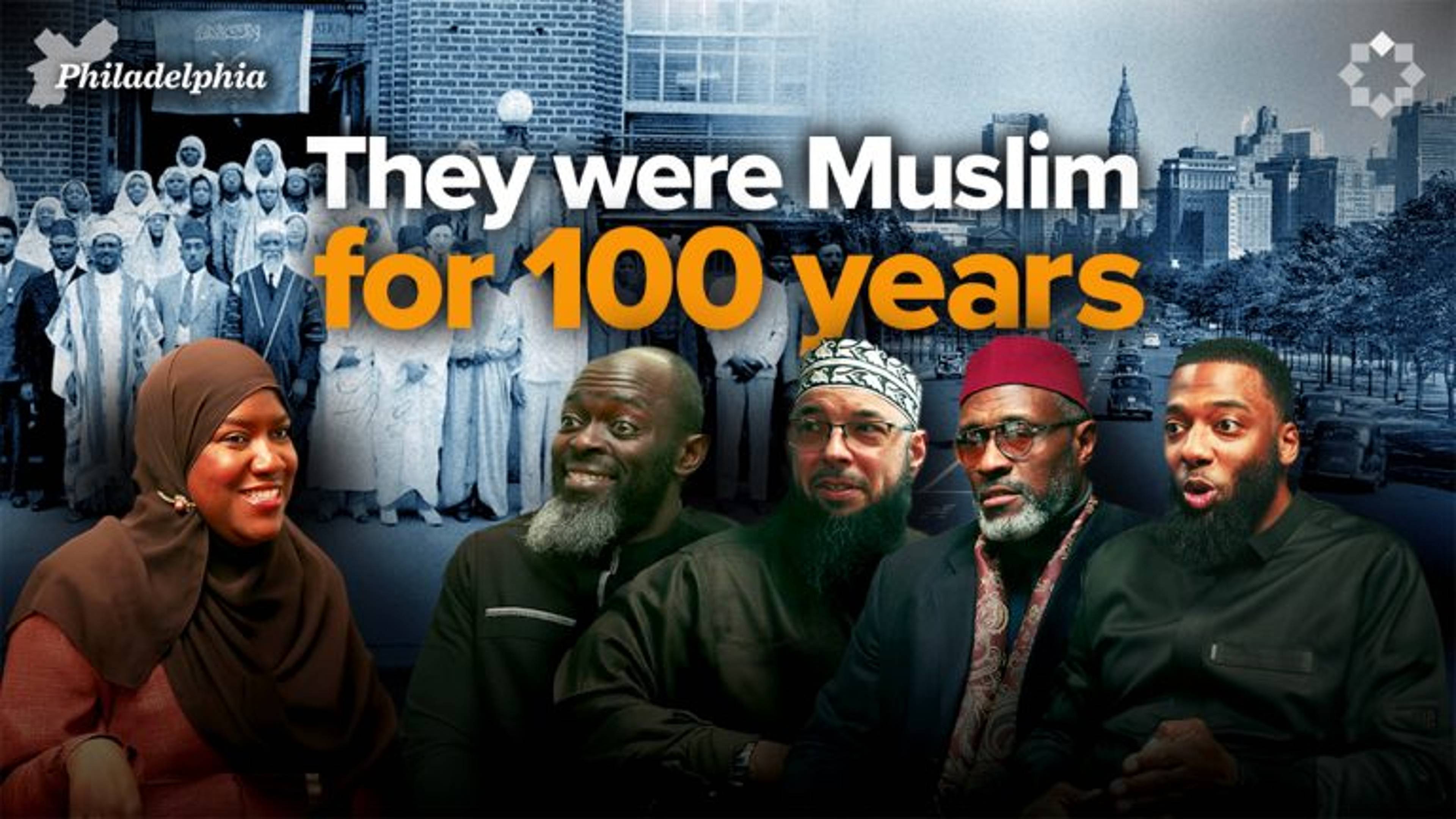
Was This The First Muslim Town In America?

Fadl ibn Abbas (ra): How The Prophet ﷺ Made Him Lower His Gaze | The Firsts

Gaza Is Starving — But Allah’s Promise Has Not Failed | Sh. Mohammad Elshinawy

Is This Da’wah or Entertainment? | Snapshots with Imam Tom Facchine

Abdullah ibn Abbas (ra): The Ocean of Knowledge | The Firsts

The Four Abdullahs (ra) Every Muslim Should Know | Dr. Omar Suleiman

Don’t Just Exist—Live for What Allah Created You For | Lecture by Dr. Omar Suleiman
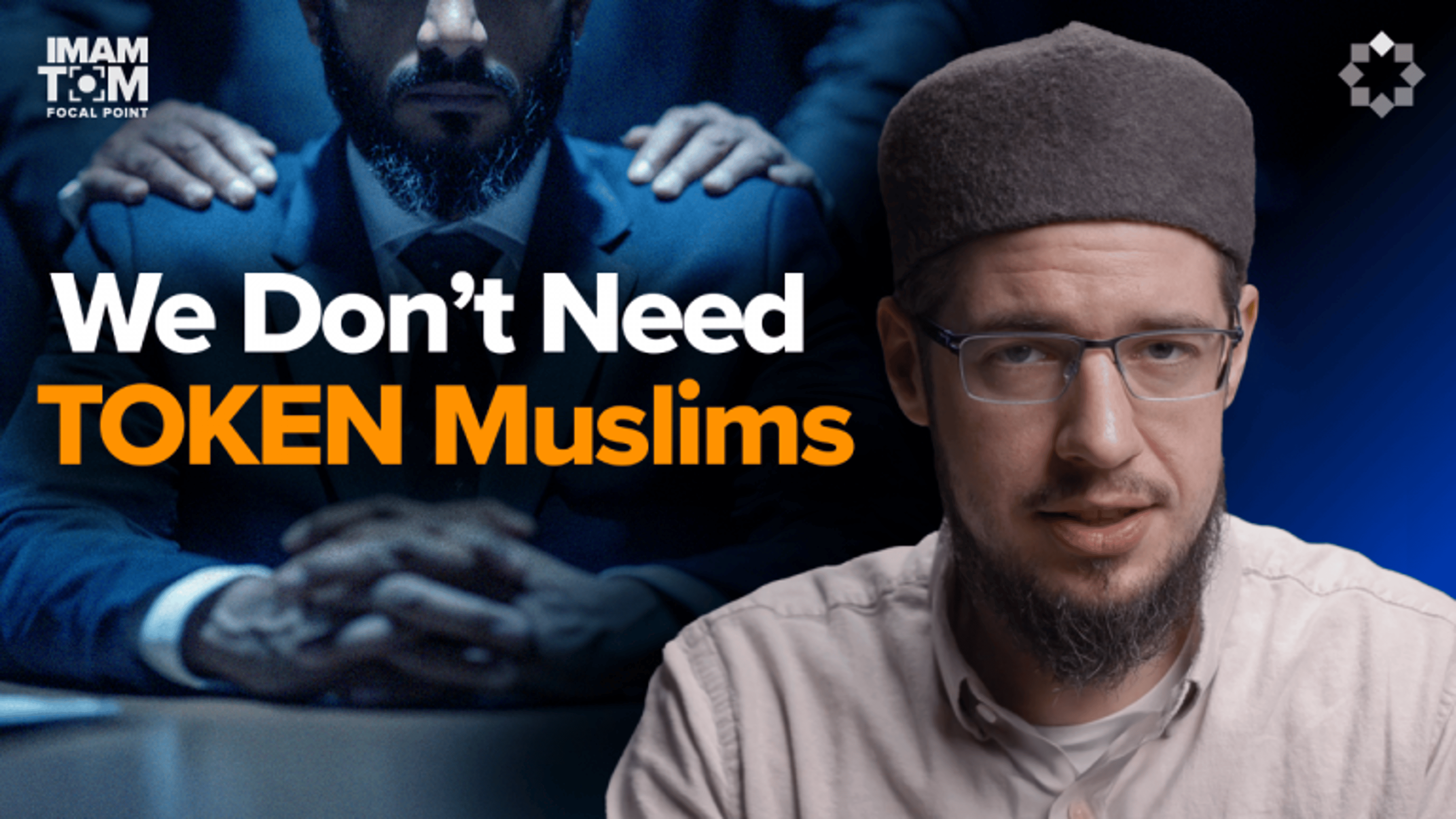
Representation Isn’t Working. Here’s Why. | Focal Point with Imam Tom Facchine

Abdullah ibn Ja’far (ra): The Story of My Mother’s Ancestor | The Firsts

The Crime of Hunger | Khutbah by Dr. Omar Suleiman

Practicing Detachment: A Daily Guide to Freeing Your Heart for Allah | Khutbah by Dr. Omar Suleiman

How to Stop Chasing Validation | Snapshots with Imam Tom Facchine

Are You Willing to Truly Sacrifice for Allah? | Lecture by Dr. Omar Suleiman
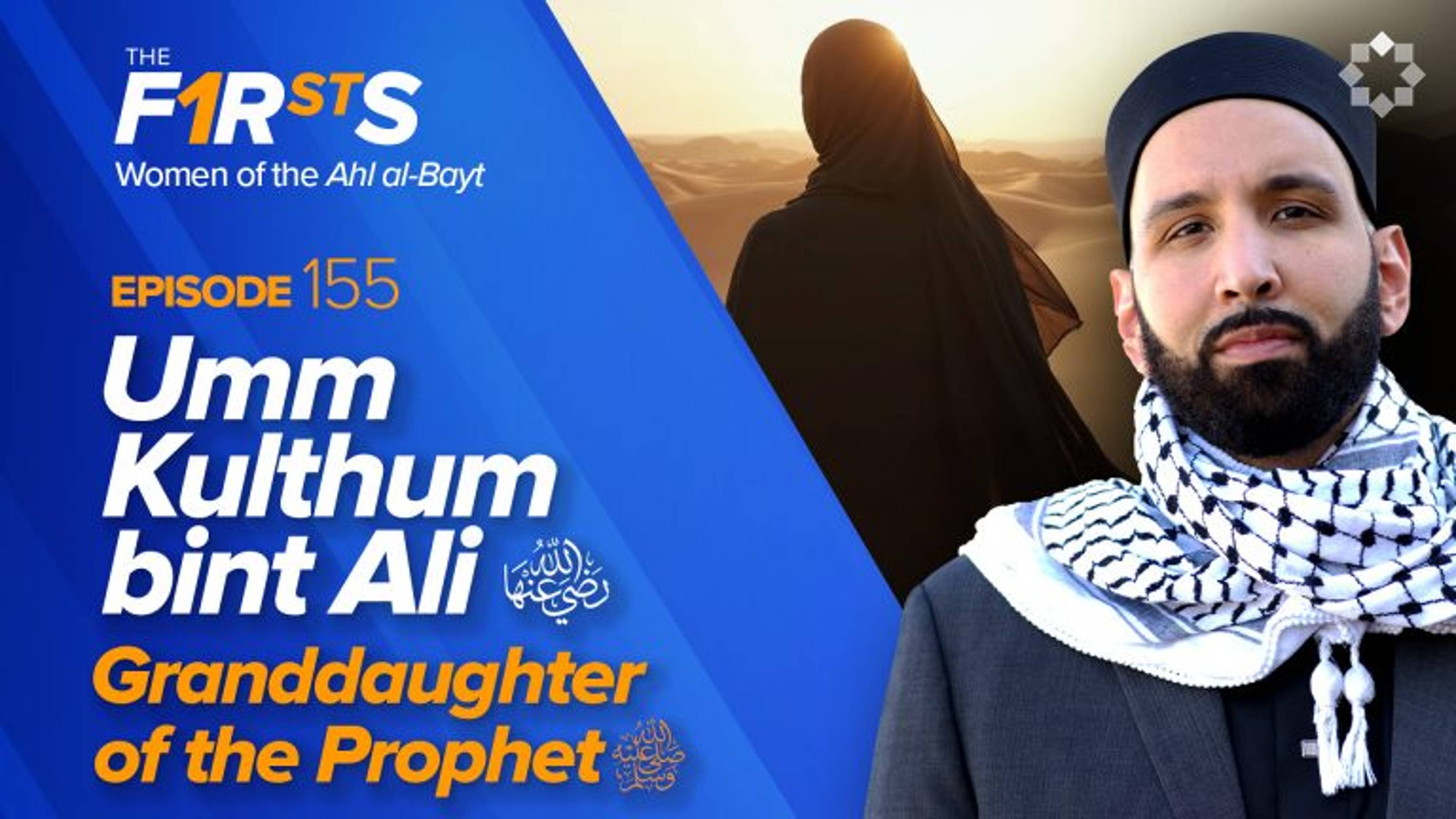
Umm Kulthum bint Ali (ra): Daughter of Nobility and Tragedy | The Firsts

"What I Saw in Bosnia." 30 Years After the Genocide | Lecture by Dr. Omar Suleiman
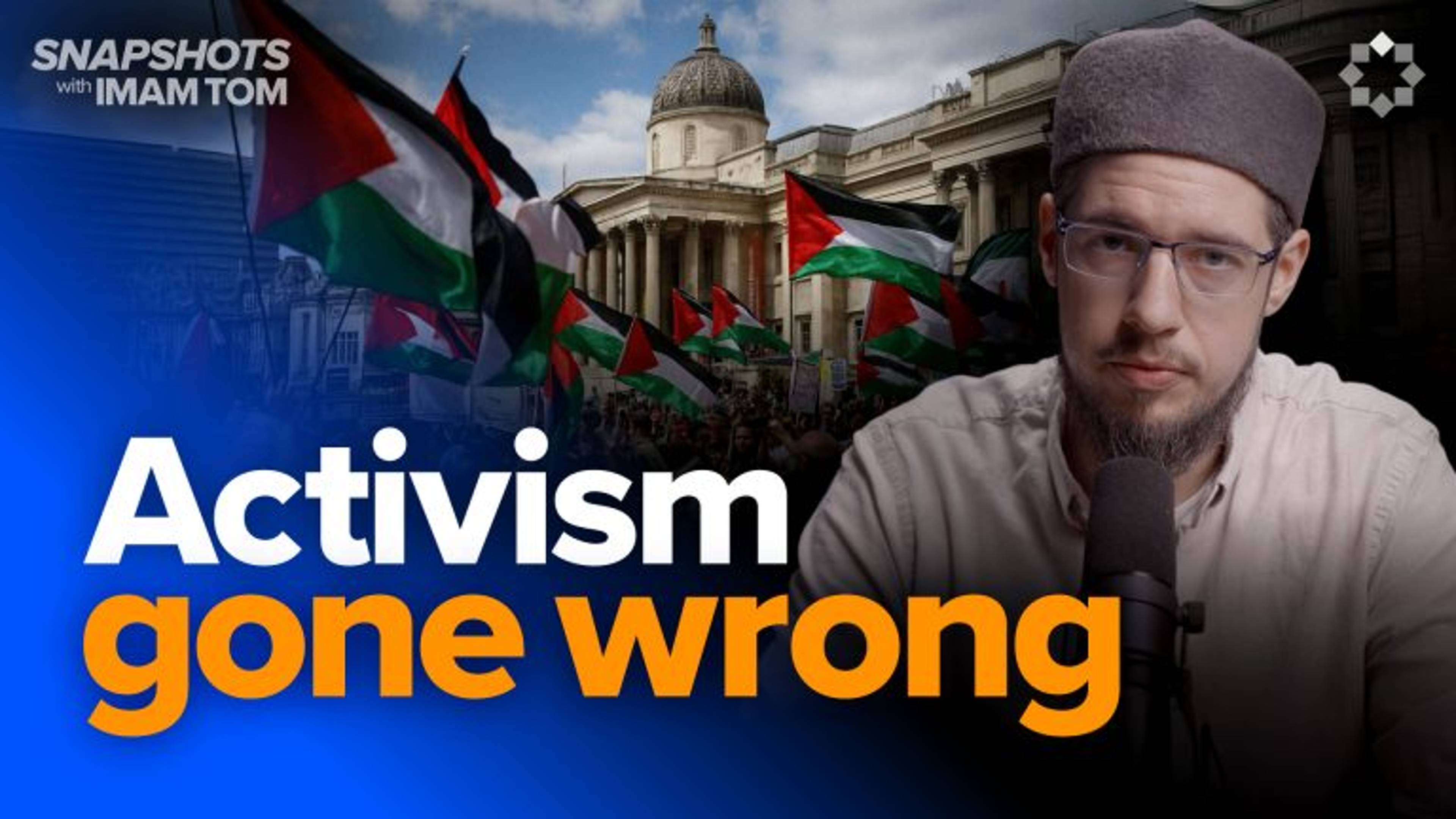
What Activism Is Missing Today | Snapshots with Imam Tom Facchine

Zaynab bint Ali (ra): A Voice of Courage | The Firsts

Loving Husayn (ra) and Hating Yazid
Ashura is Not Nostalgia | Khutbah by Dr. Omar Suleiman

How Colonialism Hijacked the Muslim World | Focal Point with Imam Tom Facchine

Husayn ibn Ali (ra): Redefining Victory in Karbala | The Firsts

Why is the World Falling Apart? | Khutbah by Dr. Omar Suleiman
Why the Islamic Calendar Matters | Snapshots with Imam Tom Facchine

Hasan ibn Ali (ra): The Beloved Grandson of the Prophet ﷺ | The Firsts

Are You Waiting to Become a Victim? | Khutbah by Dr. Omar Suleiman

How Islam Completed what Christianity Began | Imam Tom Facchine

How the Plot of Israel Will Backfire | Khutbah by Dr. Omar Suleiman

Ammar ibn Yasir (ra): A Legacy of Sacrifice | The Firsts

The Multi-Million Dollar War on Islam | Focal Point with Imam Tom Facchine

Is Tasleem a Salaam to the World? | Episode 10 | Secrets of Salah | The Hidden Gems of Prayer

Salawat Connects You to All Believers | Episode 9 | Secrets of Salah | The Hidden Gems of Prayer

Why You Say the Tashahhud | Episode 8 | Secrets of Salah | The Hidden Gems of Prayer

The People of Sujood | Episode 7 | Secrets of Salah | The Hidden Gems of Prayer

What to Say in Rukoo' | Episode 6 | Secrets of Salah | The Hidden Gems of Prayer

The Power of Verse 5 | Episode 5 | Secrets of Salah | The Hidden Gems of Prayer

The Divine Dialogue of Al-Fatihah | Episode 4 | Secrets of Salah | The Hidden Gems of Prayer

What Should You Say to Start Salah? | Episode 3 | Secrets of Salah | The Hidden Gems of Prayer

What You Don't Know About Adhan | Episode 2 | Secrets of Salah | The Hidden Gems of Prayer

Hajj is the Great Equalizer | Imam Tom Facchine

The Art of Wudu | Episode 1 | Secrets of Salah | The Hidden Gems of Prayer
What Is Allah Preparing You For? | Lecture by Dr. Omar Suleiman

Malcolm X's Legacy We Forgot About | Imam Tom Weekly

How to Master Your Focus in Salah | Dhul Hijjah 2025 | Deep Dive | Dr. Omar Suleiman #Khushoo
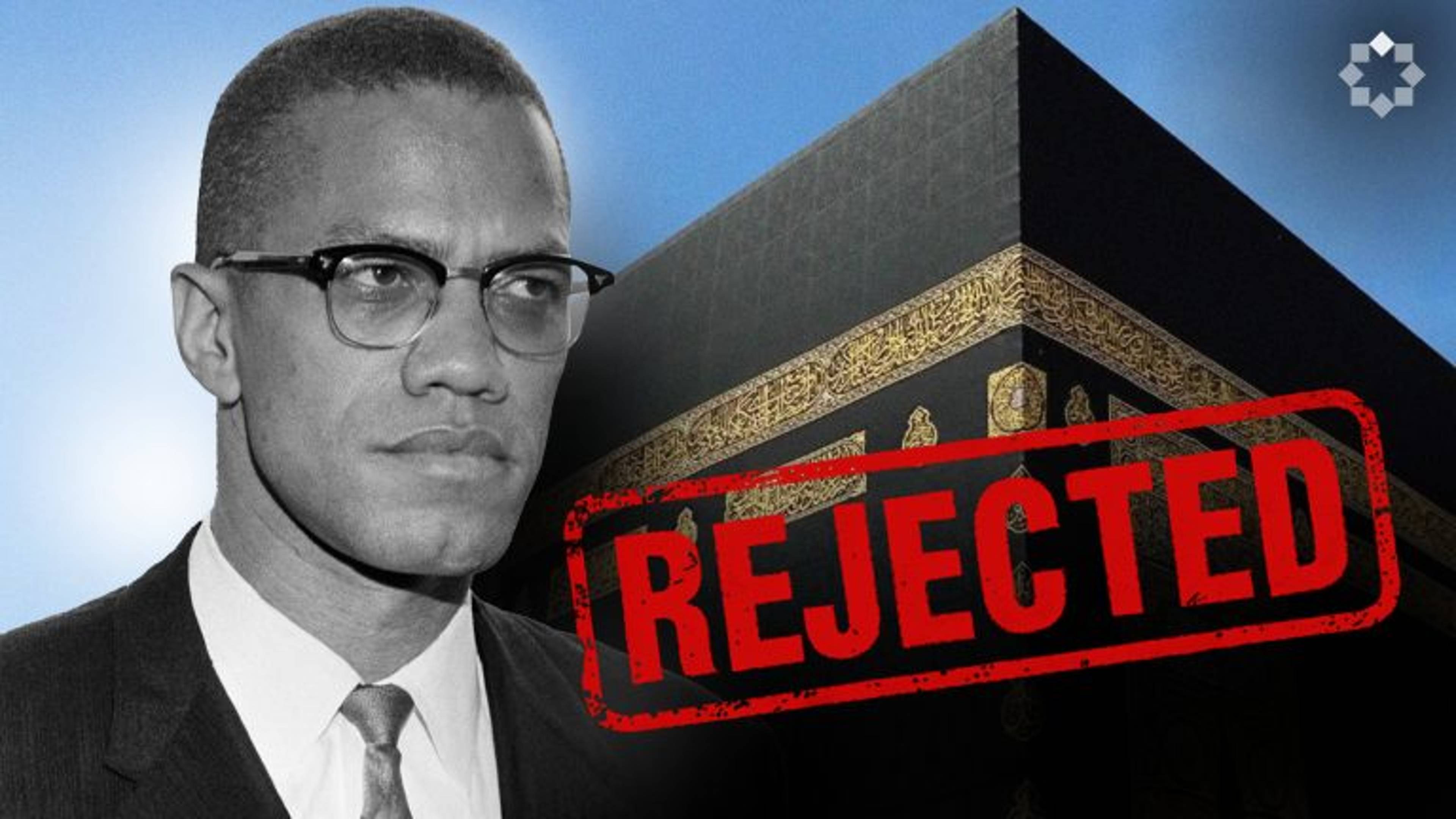
Malcolm X Was Denied Entry to Mecca. What Happened Next Changed History.

“How Basketball Taught Me Khushoo’ in Prayer” | The Hidden Gems of Prayer | Dhul Hijjah Series 2025
This Is What Made The Prophets Unstoppable | Lecture by Dr. Omar Suleiman

Trailer: Secrets of Salah | The Hidden Gems of Prayer | Dhul Hijjah Series 2025

How Music Impacts Your Brain | Imam Tom Weekly
The Most Amazing Wedding I’ve Ever Been To | Dr. Omar Suleiman's South Africa Tour 2025

India VS Pakistan: The Deadly Cost of Nationalism | Khutbah by Dr. Omar Suleiman

To Live and Die as a Man | Iman Cave
Debunking the 'Islamic Dilemma' | Imam Tom Weekly

How Allah Defends Those Who Believe | Khutbah by Dr. Omar Suleiman

The South African Minister Who Took on Israel | Dr. Naledi Pandor | Gaza Diaries with Dr. Omar Suleiman
The Ummah or the Nation? | Imam Tom Weekly
Kashmir Is Calling: Keynote at International War Crimes Tribunal, Bosnia | Dr. Omar Suleiman

The First UFC Palestinian Champion | Belal Muhammad | Confident Muslim

"If Only I Had the Strength…" | Khutbah by Dr. Omar Suleiman
Reverend Munther Isaac Calls Out Christian Zionists | Gaza Diaries

How Islamic History Was Frozen and Forgotten | Imam Tom Weekly

How to Deal With Angry People | Khutbah by Sh. Mohammad Elshinawy
The Secret Cost of Individualism | Imam Tom Weekly

6,000 Bodies Washed and Buried | Dr. Omar Suleiman and Sh. Ahmad Hraichie, “The Muslim Undertaker”

What Eid Was Like in Gaza | Gaza Diaries

Your Future Self Is Not Who You Think It Is | Khutbah by Dr. Omar Suleiman
The Dark Truth About Secularism | Imam Tom Weekly
Microsoft Fired Her For Defending Palestine | Gaza Diaries | Ibtihal Aboussad and Dr. Omar Suleiman

What is your biggest fear? A wake up call amidst collapse | Khutbah by Dr. Omar Suleiman
Muslims Are a People of Principle | Imam Tom Weekly

Bonus Episode: 10 Favorite Life Lessons | Qur’an 30 for 30 Season 6

Juz 30: This Ummah is Destined for Victory | Mufti Abdul-Rahman Waheed

Getting Past A Grudge | Midnight Majlis

SERIES FINALE: It’s Not the End | The Other Side: Barzakh and Beyond Ep. 30

Juz 29: It’s Not Too Late to Do Good | Sh. Mohamed AbuTaleb

Do Not Abandon the Masjid After Ramadan | Khutbah by Dr. Omar Suleiman

Between Self-Admiration and Self-Hatred | Midnight Majlis

Praying the “Night Prayer” During the Day | Ramadan Reflections

Juz 28: Divorce in Islam Requires Taqwa | Dr. Ovamir Anjum

Everyone Will Have Regrets | The Other Side: Barzakh and Beyond Ep. 29

How to Become A Great Person | Midnight Majlis

Is Laylatul Qadr on the 27th Night? | Ramadan Reflections

The Guilt of Sleeping on Laylatul Qadr | Ramadan Reflections

How to Spot Fake Friends | Midnight Majlis

Juz 27: The Qur'an Heals You | Sh. Yaser Birjas

Your Tahajjud Just Earned You Jannah | The Other Side: Barzakh and Beyond Ep. 28

Laylatul Qadr in the Heavens and the Graves | The Other Side: Barzakh and Beyond Ep. 27

Be Your Own Toughest Critic | Midnight Majlis

Juz 26: “When Will Allah Help Me?” | Ust. Fatima Lette

When People Cause You Pain | Midnight Majlis

Juz 25: Sadaqah is Like Flowing Water | Sh. Fahad Tasleem

Your Duas Can Change The Worlds | The Other Side: Barzakh and Beyond Ep. 26

Juz 24: Isn’t Allah Enough for You? | Sh. Mohammed Faqih

People From a Past Life | The Other Side: Barzakh and Beyond Ep. 25

When Did Ramadan Become a Festival | Imam Tom Weekly

You Choose To Be Learned or Lost | Midnight Majlis

Best Friends Forever | The Other Side: Barzakh and Beyond Ep. 24

Juz 23: Mocked for Being Muslim | Sh. Suleiman Hani

Why the Prophet ﷺ Forgot the Exact Date of Laylatul Qadr | Ramadan Reflections

Defeat Your Ego Before It Defeats You | Midnight Majlis

Your Loved Ones Never Left You | The Other Side: Barzakh and Beyond Ep. 23

The Amazing Connections Between Jumah and Laylatul Qadr | Ramadan Khutbah by Dr. Omar Suleiman

Juz 22: When Allah Honors You | Sh. Omar Hedroug

How to Break Free from Anxiety | Midnight Majlis | Dr. Omar Suleiman and Sh. Yaser Birjas

Why Allah prescribes you Bitter Medicine | The Other Side: Barzakh and Beyond Ep. 22

Juz 21: Who is Promised Victory by Allah? | Sh. Navaid Aziz

Why Tonight Could Be Laylatul Qadr | Ramadan Reflections

A Complete Guide to the Last 10 Nights and Laylatul Qadr | Dr. Omar Suleiman

The Most Important Prayer of Your Life | The Other Side: Barzakh and Beyond Ep. 21

Juz 20: Toxic Parents in Islam? | Sh. Ammar Shahin

The Other Side Series Live Q&A with Dr. Omar Suleiman

When The Qur’an Arrives in Your Grave | The Other Side: Barzakh and Beyond Ep. 20

Juz 19: Make the Prophet ﷺ Your Best Friend | Sh. Ammar Alshukry

Gaza Burns Again: How to Process Endless Grief with Courage | Ramadan Reflections
The Many Forms of Zina | The Other Side: Barzakh and Beyond Ep. 19

Juz 18: Seasons of Allah’s Mercy | Sh. Joe Bradford

The Miracle of the Longest Surah of the Qur’an | Ramadan Reflections

"You Owe Me." Free Yourself from Riba and Debt | The Other Side: Barzakh and Beyond Ep. 18

Juz 17: Good is Not Good Enough | Sh. Waleed Basyouni

The Biggest Losers | Ramadan Reflections

The Qur’an Won’t Benefit You Until You Do This | Ramadan Reflections

Was it that big of a deal? Your Wudu is Serious | The Other Side: Barzakh and Beyond Ep. 17

How To Never Miss Sunnah Prayers Again | Ramadan Reflections

Juz 16: Miracles and Predestination | Ust. Sarah Sultan

Watch Your Mouth | The Other Side: Barzakh and Beyond Ep. 16

Who are the human devils amongst us? | Ramadan Khutbah by Dr. Omar Suleiman

Why Trials Shape Us: Wisdom from Yusuf (as) | Ramadan Reflections

Juz 15: Beware of Shaytan’s Strategy | Sh. Ali Hammuda

We Will Not Fix What You Have Ruined | The Other Side: Barzakh and Beyond Ep. 15

Juz 14: How Shaytan Influences You | Imam Tom Facchine

How Ya’qub (as) Knew Yusuf (as) Wasn’t Dead | Ramadan Reflections

Deeds that Save you from Punishment of the Grave | The Other Side: Barzakh and Beyond Ep. 14

Juz 13: Why Did Yusuf (as) Suffer? | Dr. Jinan Yousef

Will Your Qur’an Recitation Be Accepted? | Ramadan Reflections

Do You Want to See Tyrants Suffer? | Ramadan Reflections

Did Allah Put You On This List? | The Other Side: Barzakh and Beyond Ep. 13

Juz 12: A Sinful Life is Not A Happy Life | Sh. Mohammad Elshinawy

Now You Can Fly | The Other Side: Barzakh and Beyond Ep. 12

Juz 11: Who You Follow Shapes Your Hereafter | Dr. Tesneem Alkeik

How to Have a Bigger Grave | The Other Side: Barzakh and Beyond Ep. 11

Juz 10: How to Be Steadfast in Islam | Sh. Hassan Elwan

What About The Innocent Children? | The Other Side: Barzakh and Beyond Ep. 10

When You Meet The Souls of Gaza | The Other Side: Barzakh and Beyond Ep. 9

Juz 9: The Betrayal of A Blissful Life | Dr. Tahir Wyatt

A Giant in Prison: Imam Jamil Al Amin | Ramadan Reflections

Beyond Halal & Haram: Are You Numbing Your Heart? | Ramadan Khutbah by Dr. Omar Suleiman

Juz 8: The Universality of the Qur’an | Sh. Yousef Wahb

What it Feels Like to Die | The Other Side: Barzakh and Beyond Ep. 8

Juz 7: Between Justice and Mercy | Ustadha Roohi Tahir

How Many Lives Do You Really Have? | The Other Side: Barzakh and Beyond Ep. 7

What Justice Really Means in Islam | Ramadan Reflections

The Prophet ﷺ’s Tears and the Warning of Jibreel (as) | Ramadan Reflections

Juz 6: Taqwa and Social Justice in Islam | Dr. Zohair Abdul-Rahman

Why Reciting the Qur’an Is A Miracle In Itself | Ramadan Reflections

Is Allah Speaking to You ? | The Other Side: Barzakh and Beyond Ep. 6

Juz 5: Addicted to Good Deeds | Dr. Osman Umarji

Did Past Nations Fast Like Muslims Today? | Ramadan Reflections

This Ramadan Can Change Your Future | Ramadan Reflections

How to See the Prophet ﷺ in a Dream | The Other Side: Barzakh and Beyond Ep. 5

Juz 4: Be Gentle to Be Influential | Ust. Lobna Mulla

Brotherhood in Ramadan | Iman Cave
What Do My Dreams Really Mean? | The Other Side: Barzakh and Beyond Ep. 4

Juz 3: Paid on Judgment Day | Mufti Menk

Fasting & Prayer: The Amazing Hidden Connections | Ramadan Reflections
Tackling the Beast of Iftar Expectations | Sh. Belal Assaad

They May Have Another Name For You | The Other Side: Barzakh and Beyond Ep. 3

Juz 2: To Allah We Belong | Dr. Haifaa Younis

They Know About Your World | The Other Side: Barzakh and Beyond Ep. 2

Juz 1: How to Be Sincere with Allah | Sh. Belal Assaad

The Dead Are Alive in Their Graves | The Other Side: Barzakh and Beyond Ep. 1

Why Don't Muslims Just Leave? | Imam Tom Weekly

Lead Your Family this Ramadan | Iman Cave
How to Reinvent Yourself This Ramadan | Dr. Omar Suleiman

Trailer | 30 Juz, 100 Lessons | Qur’an 30 for 30 Season 6
Will Celebrity Muslims Save Us? | Imam Tom Weekly

When Will Palestine Be Free? Signs of the Day of Judgment | Al-Aqsa: Past, Present, and Promise

Trump Wants to Take Over Gaza | Imam Tom Weekly

Trailer: The Other Side | Barzakh and Beyond | Ramadan Series 2025

You Need to Love Allah More | Ramadan Prep Khutbah by Dr. Omar Suleiman

Zionism 1,000 Years In the Making | Al-Aqsa: Past, Present, and Promise
The People of Gaza Are Undisplaceable | Dr. Omar Suleiman

Overcoming Obesity and Depression | Iman Cave
Doomscrolling is Rewiring Your Brain | Imam Tom Weekly

Making Du'a for the Imam to STOP PRAYING during Ramadan?!

Things I Left For Islam | Imam Tom Facchine
Preparing for Ramadan - Making the most in Shaban | Lecture by Sh. Mohammad Elshinawy

The Islamic Cure for Overconsumption | Imam Tom Weekly

Salahuddin: The Legend Who Liberated Jerusalem | Al-Aqsa: Past, Present, and Promise
Am I A Jealous Person? | Dear Ustadha
What Does Trump's Second Term Mean for Muslims? | Imam Tom Weekly

Finding Resilience Beyond the Illusion of Power | Lecture by Dr. Omar Suleiman

Roman Emperor Who Almost Became Muslim & Conquest of Jerusalem | Al-Aqsa: Past, Present, and Promise

Just When You Thought It Was Over | Khutbah by Dr. Omar Suleiman
Why Did Allah Mention The Number 19? Your Test of Faith | Dr. Omar Suleiman

Are Wildfires a Punishment from Allah? | Imam Tom Weekly

Isra and Miraj: The Greatest Journey Through the Heavens | Al-Aqsa: Past, Present, and Promise
Waiting for The Mahdi or A Miracle | Lecture by Dr. Omar Suleiman
Tested Like the Prophets | UK Tour Wembley Stadium Lecture by Dr. Omar Suleiman
Age is Nothing but a Number | Making An Impact | Dr. Omar Suleiman
Why Reps Matter More than Time | Imam Tom Weekly

Allah WILL Test You With Your Words | Khutbah
Surah Al-Masad & Atomic Habits | Imam Tom Weekly
Finding Solace Through Patience and Wisdom | Dr. Omar Suleiman

Isra wal Miraj, Surah Rum, and the Year of Grief | Al-Aqsa: Past, Present, and Promise
Is Syria Really a Good Thing ? | Dr. Omar Suleiman

Syria, the Umayyad Mosque, and the Messiah’s Return | Al-Aqsa: Past, Present, and Promise

Surah Al-Ikhlas & Atomic Habits | Imam Tom Weekly

Allah Will Surprise You - Embracing the Unknown | Khutbah

The Prophets, the Messiah, and the Promised Land | Al-Aqsa: Past, Present, and Promise

Why You Can't Resist Cravings (and How to Take Back Control) | Atomic Habits | Imam Tom Weekly
Consumerism and The Inflation of Self | Black Friday | Dr. Omar Suleiman

The Switch of the Qiblah: Story of Masjid Qiblatayn | Al-Aqsa: Past, Present, and Promise
Surah An-Nas & Atomic Habits | Imam Tom Weekly
Is Religion Making Us Complacent? I Dr. Omar Suleiman
Atomic Habits: Why Most Quit Early | Imam Tom Weekly

The Blessed Land of Al-Sham: Palestine, Lebanon, Syria, Jordan | Al-Aqsa: Past, Present, and Promise
Did the Prophet ﷺ See You in The Future? | Dr. Omar Suleiman

Why is Quds (Jerusalem) So Special? | Al-Aqsa: Past, Present, and Promise
Surah Al-Kawthar & Atomic Habits | Imam Tom Live

What are Your True Intentions? Goodwill VS Ego | Khutbah

Is Gender a Social Construct? | Iman Cave

Who Do I Vote For? A message to American Muslims | Khutbah

Tamim al-Dari (ra): The Palestinian Sahabi That Met Dajjal | The Firsts

Should Muslims Celebrate Halloween?

What if Oppression is Our Destiny? | Khutbah

Jarir ibn Abdullah (ra): The Yusuf of this Ummah | The Firsts

Earning Jannah While Watching a Genocide | Khutbah
Allah Will Ask: What Did You Do With Your Freedom? | Imam Tom Live

Adi ibn Hatim al-Tai (ra): From Christian King to Companion | The Firsts

Is Revenge Worth it? It Hurts You More Than You Think | Khutbah

Our communities are broken. Here’s how to fix them | Iman Cave

Abbad ibn Bishr (ra): The Friend of the Qur’an | The Firsts
Everything That Didn't Happen on October 7th
Oct 7th Changed Everything | Imam Tom Live

Israel Has the Right to Defend Itself? | Khutbah

Thabit ibn Qays (ra): Promised Jannah After A Sin | The Firsts

When It’s Hard to say Alhamdulilah | Khutbah

Motivation is Overrated. Here's Why | Iman Cave

All Praise Be to Allah in Every Situation | Imam Tom Live

Zayd ibn al-Khattab (ra): The Quiet Brother of Omar (ra) | The Firsts

Hind Rajab to Aafia Siddiqui: Re-humanizing the De-humanized | Khutbah

From Orphaned Parents in Africa to Changing Lives for Orphans | Iman Cave

Muslim Votes Swing 2024 | Imam Tom Live

Thinking About Taking Your Hijab Off?

Tulayha ibn Khuwaylid (ra): From False Prophet to Shaheed | The Firsts

Your False Sense of Security: From Gaza and Beyond | Khutbah
Remembering Aysenur's Courage | Imam Tom Live

Ka’b ibn Zuhayr (ra): The Story of the First Burda | The Firsts

Wounds That Aren't Meant To Heal | Khutbah

Empowering Student Activism | Imam Tom Live

Thumama ibn Uthal (ra): The most powerful Muslim of his time? | The Firsts

What If I Can't Look Anymore? | Khutbah

Muhammad ibn Maslama (ra): The Knight of Rasulullah ﷺ | The Firsts
Rohingya Genocide Explained: Myanmar's Muslim Massacres

Thank God We're Not Them | Khutbah
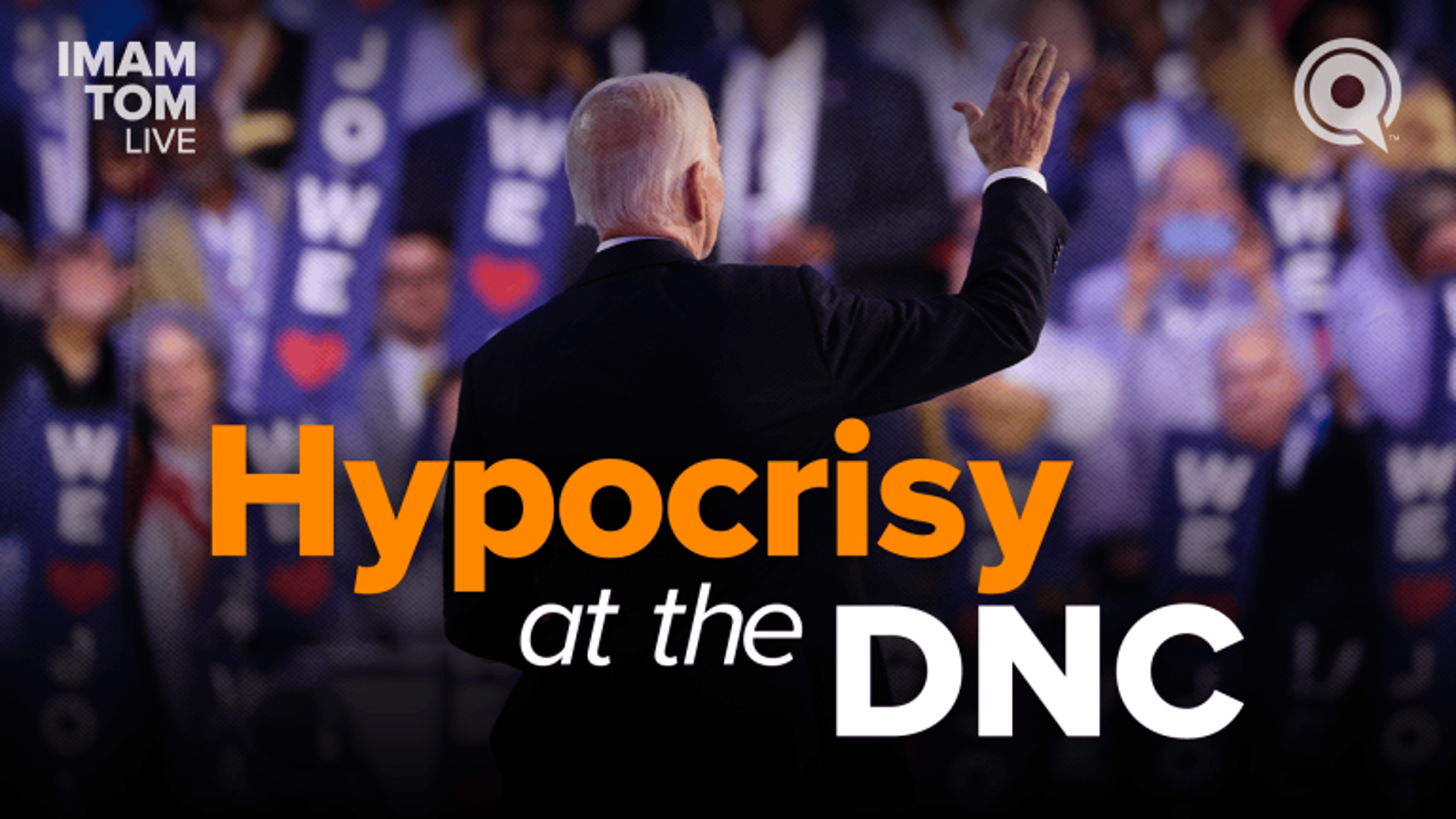
Hypocrisy at the DNC | Imam Tom Live

The Dirty Truth Behind Paris’ River Seine

A Foiled Conspiracy: Umayr ibn Wahb (ra) & Safwan ibn Umayyah (ra) | The Firsts

Don't Let them Steal your Revolution | Khutbah

The Children of Ta’if Who Stoned the Prophet ﷺ | The Firsts

The Art of Finding Closure | Khutbah

The Man Who Never Prayed | Animation
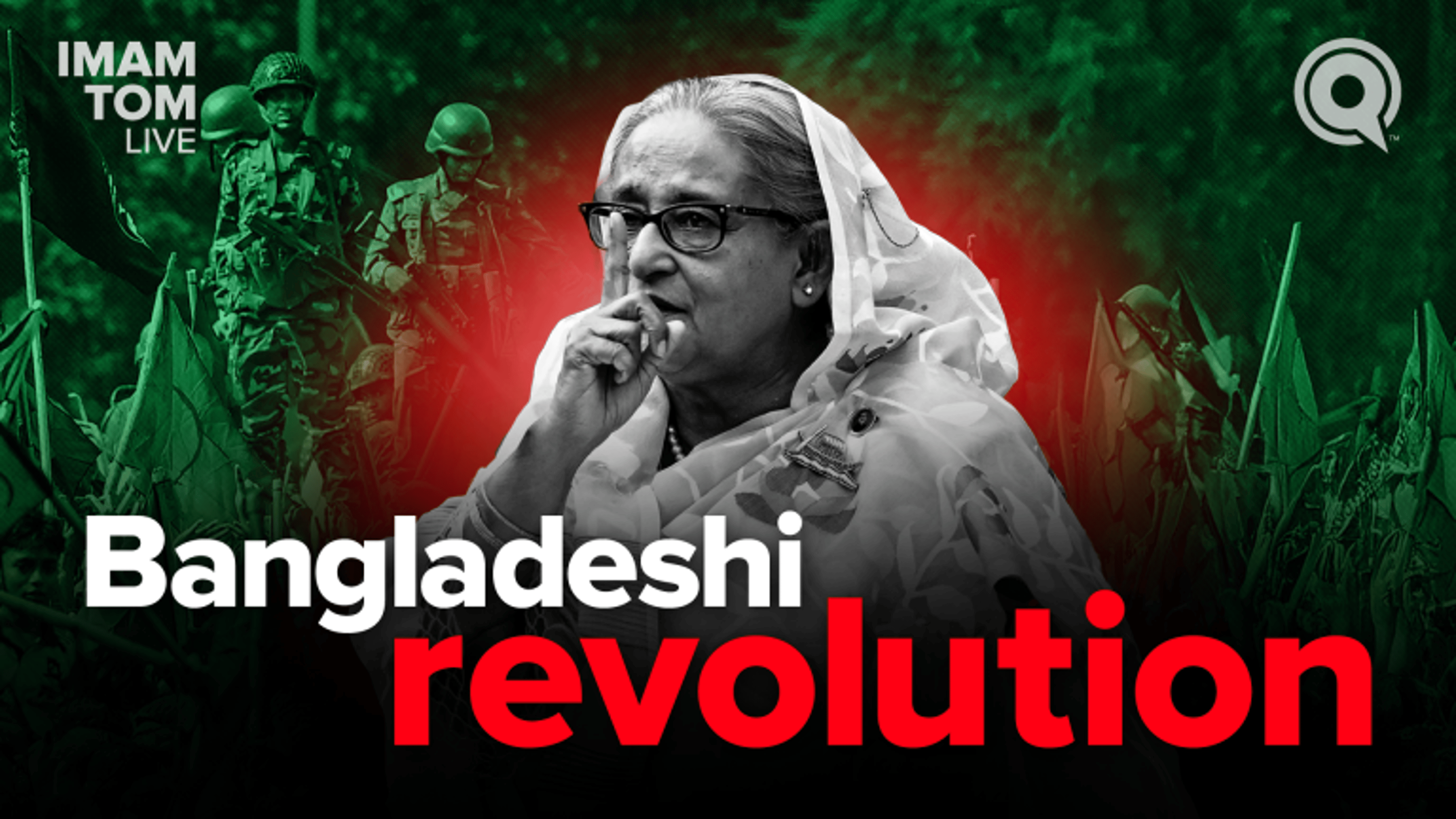
Falsehood is Bound to Vanish | Imam Tom Live

Abu Mahdhura (ra): The Kid Who Mocked Adhan | The Firsts

The One Child Pharoah Didn't Kill | Khutbah

No Limits: Israel’s Growing Atrocities and Global Indifference | Imam Tom Live

Abu Bakra (ra): The Freed Slave of Allah | The Firsts

The Real History of Palestine in the Qur'an | Khutbah

The Jinn Who Became Muslim | The Firsts

Is Allah Really with Us? | Khutbah

Addas (ra) of Ta’if: The Brother of Yunus (as) | The Firsts

The Most Important Ashura of Our Lives? | Khutbah
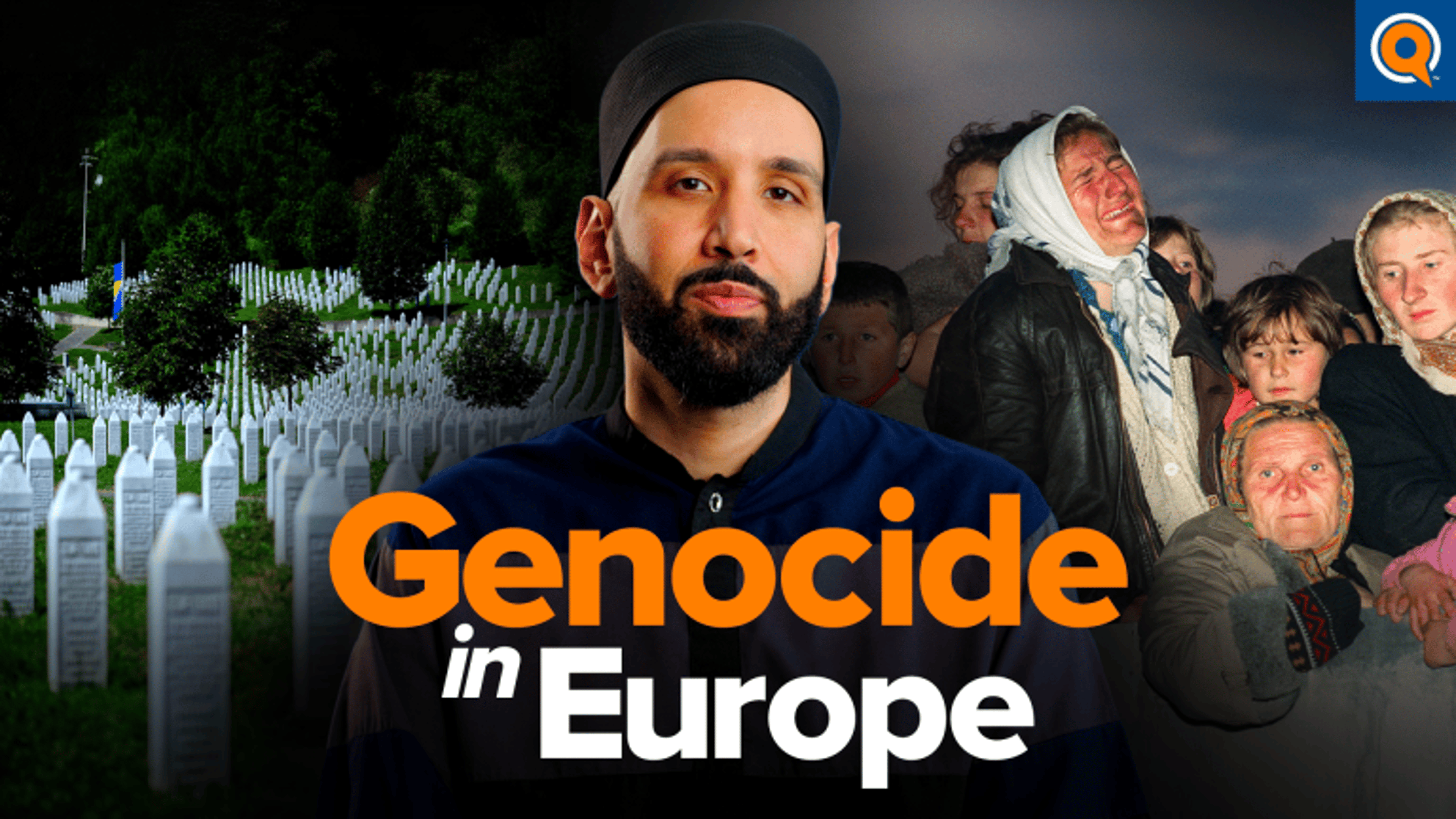
Srebrenica Massacre Explained: Europe’s Muslim Genocide

What France & UK's Electoral results mean for Muslims | Imam Tom Live

The Prophet ﷺ’s Bodyguard: Mughira ibn Shu‘ba (ra) | The Firsts

How Close Are You to the Prophet (as)? | Khutbah

Significance of the Sacrifice | Iman Cave

The Real Guise of 'Islamophobia' | Imam Tom Live

Urwa ibn Masud (ra): The Chief Who Resembled Isa (as) | The Firsts

Hidden Causes of Disconnect from Allah | Khutbah

Raw Truths for Divorced Dads | Part 3 | Iman Cave

How Your Tech Is Being Used for Genocide | Gaza Diaries

When Allah Tests You with the Truth | Khutbah

This Du'a Gives You Everything You Need | A Du'a Away

The Best Du'as for the Day of Arafah | A Du'a Away

Raw Truths for Men: Uncensored | Part 2 | Iman Cave

Du'a to Change My Heart and Theirs | A Du'a Away

Muslim Influencers Profiting from Apartheid | Imam Tom Live

Du'a to Relieve Anxiety and Manage Anger | A Du'a Away

Du'as That Actually Remove Hardship | A Du'a Away

Du'as for Longer Life or Quicker Death | A Du'a Away

What is the Du'a for Marriage & Companionship? | A Du'a Away

When to Not Say "Insha'Allah" | A Du'a Away

How to Truly Perform Istikharah | A Du'a Away

UFC Fighter Abdul-Kareem Al-Selwady is Unbreakable | Iman Cave

The Most Comprehensive Du'a Ever Narrated | A Du'a Away

Prelude: Is There a Du'a to Get Rich? | A Du'a Away

Israel's Ceasefire Rejection, Nurse Fired for Gaza, and the Law of Sacrifice | Imam Tom Live

Trailer: A Du'a Away | A 2024 Dhul Hijjah Series

Will Gaza be Israel's Downfall? | Khutbah

Divorce: Problem or Solution? | Part 1 - Before Marriage | Iman Cave

The Du'a of Yunus Under the Rubble | Gaza Diaries
The Most Honored Man By The Prophet ﷺ: Abbas ibn Abd al-Muttalib (ra) | The Firsts

The Inner Strength to Keep Fighting | Khutbah

Arrested for What!? | Iman Cave

When Allah Guided the Children of Abu Lahab | The Firsts
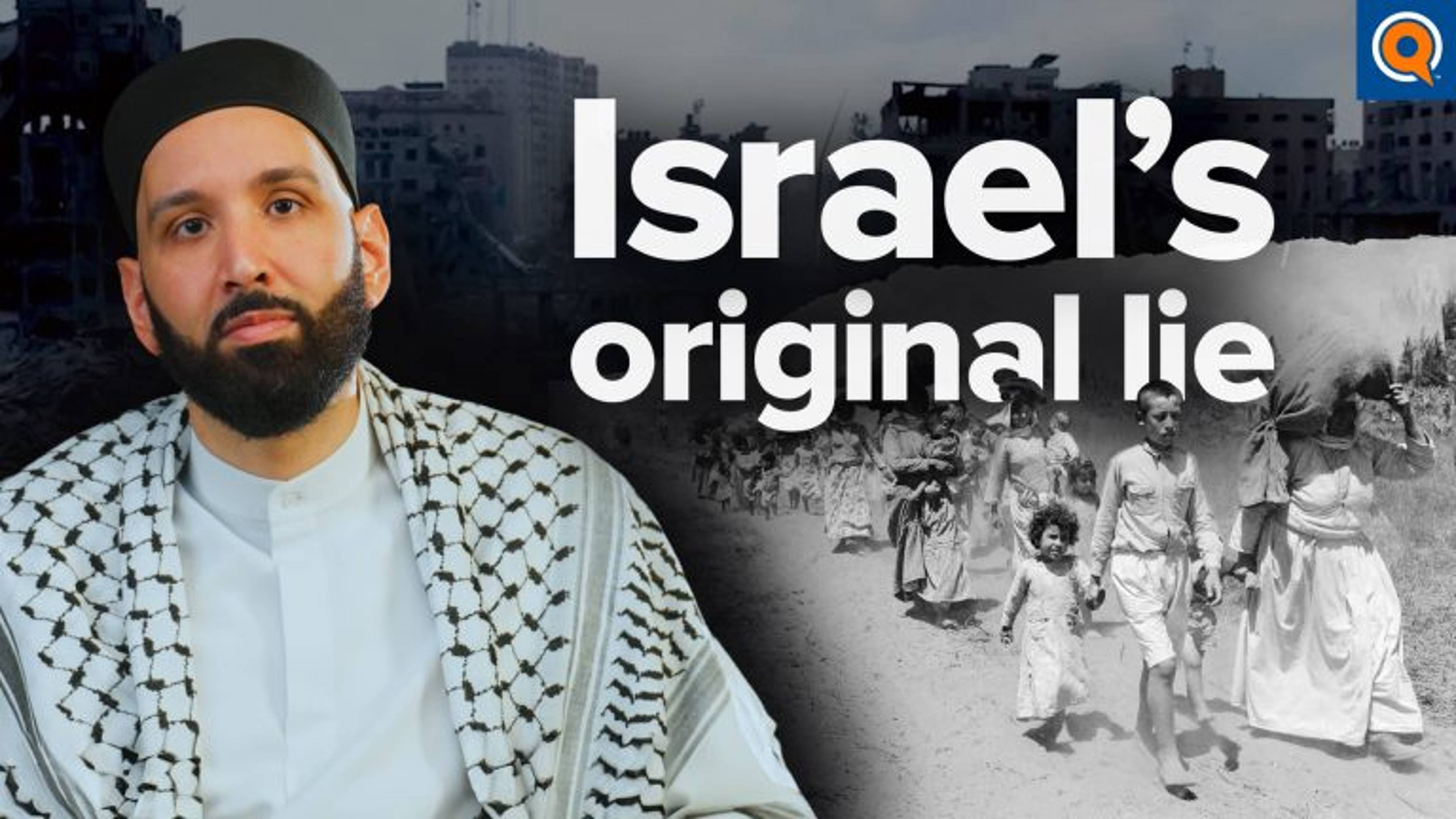
The Nakba Explained: Why Israel Won't Win

Resistance in Exile: from Hijra to Nakba | Khutbah

Bravery, Tawakkul, and Risking it all for Allah | Iman Cave

Do Influencers Owe their Followers Advocacy? | Imam Tom Live

Hakim ibn Hizam (ra): When Money Stops Mattering | The Firsts

Overcoming Despair When We See Mutilated Bodies | Khutbah
Overcoming Addictions | Iman Cave

University Raids, Fake Negotiations, Holocaust Remembrance? | Imam Tom Live

Act and Allah Will Unlock Success | Khutbah

Focus in the Age of Distraction | Iman Cave

Live Revolution: The West Rallies for Gaza | Imam Tom Live

Mothers of the Prophet ﷺ: Amina and Halima al-Sa’diyya | The Firsts

"Don't Move!" - Gaza Encampment at Northwestern University | Khutbah

Why Me? | Iman Cave

"If You Hear Bombing, Say Alhamdulilah" | Gaza Diaries

The Prophet ﷺ’s Brother: Abu Sufyan ibn al-Harith (ra) | The Firsts

Is the End Near? | Khutbah

Confidence through Combat Sports | Iman Cave

Nasser Hospital to Biden Walkout | Gaza Diaries

Abu Sufyan ibn Harb (ra): Forgiving the Enemy | The Firsts

A Night Even Better than Laylatul Qadr | Khutbah

The Gift of Istiqama (Steadfastness) | Late Night Talks

Juz 30: The True Victory | Sha. Muslema Purmul

Did My Life Really Matter? | Why Me?

How Deeds Lead to Sorrow or Fulfillment | Late Night Talks

Juz 29: Remember Your Humble Beginnings | Sh. Mowlid Ali

Do Not Cut Allah Off | Late Night Talks

When Life Comes Full Circle | Why Me?

Juz 28: Hyprocrite vs. Believer | Mufti Abdul Wahab Waheed

What Will The Day of My Death Be Like? | Why Me?

Allah Is Too Shy To Disappoint | Late Night Talks

Juz 27: Excellence in Patience & God's Greatest Gift | Dr. Suzy Ismail

When the Decree Shocks Everyone on Laylatul Qadr | Khutbah

Will Allah Still Forgive Me? | Why Me?

Between Being Blessed or Cursed | Late Night Talks

Earthquakes and Eclipses on Laylatul Qadr | Taraweeh Reflections

Juz 26: What Being “Religious” Means | Imam Hanif Fouse

How Can I Accept That I'm Dying? | Why Me?

What Do You Run Away To? | Late Night Talks

Juz 25: What Do You Want? | Sh. Atef Maghoub

What If It's Too Late? | Why Me?

The Deeper Effects of Our Sins | Late Night Talks

How To Make Dua for Gaza on Laylatul Qadr | Taraweeh Reflections

Laylatul Qadr Was On the 23rd Night | Taraweeh Reflections

Juz 24: Today's False Gods | Imam Wesley Abu Sumayyah Lebron

Do Good Deeds Extend My Life? | Why Me?

Not Lying To Ourselves About Allah | Late Night Talks

Juz 23: Gratitude & God's Commands | Sh. Abdirahman Kariye

Why Is There So Much Suffering in The World? | Why Me?

The Multiple Effects of Du‘a | Late Night Talks

Juz 22: What Happened To My Blessings? | Imam Abdullah Smith

Can I Escape The Outcome of My Sins? | Why Me?

The Qur’an Cures All Illness | Late Night Talks

10 Ways to Maximize the Last 10 Nights | Taraweeh Reflections

Juz 21: Why Are Humans So Weak? | Sh. Mikaeel Ahmed Smith

Is Allah Testing or Punishing Me? | Why Me?

Those Who are Deprived on Laylatul Qadr | Khutbah

Juz 20: Why We Face Trials | Ust. Fatima Lette

Why Is Everything Falling Apart? | Why Me?

Juz 19: Humble Yourself Before Allah | Ust. Youssra Kandil

Why Did They Have to Die? | Why Me?

The Coolness of My Eyes | Taraweeh Reflections

Juz 18: How to Face Trials | Ust. Lobna Mulla

How Do I Find Love in Loneliness? | Why Me?

Juz 17: Find Comfort in Allah’s Mercy, Justice & Power | Sh. AbdulNasir Jangda

I Didn't Mean to Hurt You | Why Me?

How Allah Speaks About Al-Aqsa | Taraweeh Reflections

Juz 16: Why Your Future Is Hidden From You | Sh. Yaser Birjas

Why Do They Get the Life I Want? | Why Me?

Should We Suppress Our Emotions? | Taraweeh Reflections

Juz 15: Your Best Investment | Mufti Abdul Rahman Waheed

What If I Could’ve Changed Things? | Why Me?

Juz 14: Beauty is Proof that God Exists | Sh. Ammar AlShukry

Why Were Hurtful People Put in My Life? | Why Me?

When Your Heart is On Empty | Khutbah

Juz 13: Yusuf's (AS) Gratitude, Forgiveness, and Excellence | Sh. Ahmed Billoo

Will I Ever Find True Love? | Why Me?

Juz 12: The Mind-Blowing Parallels Between Yusuf & Musa | Dr. Shadee Elmasry

Why Make Istikhara? | Why Me?

“Israel” in the Quran | Taraweeh Reflections

Juz 11: What Motivates You? | Sh. Suleiman Hani

Why Won't Allah Answer Me? | Why Me?

Juz 10: Finding Contentment and Happiness in God | Dr. Hassan Elwan

Did I Choose To Be Muslim? | Why Me?

What If I’m Destined For Hell? | Taraweeh Reflections

Juz 9: Allah Promises Victory | Dr. Osman Umarji

Why Do I Have to Carry Their Burden? | Why Me?

Juz 8: Contentment, Clarity, and Divine Guidance | Ustadha Zaynab Ansari

Why Am I Rich or Poor? | Why Me?

Juz 7: Strength Through Submission | Mufti Hussain Kamani

Why Do I Look Like This? | Why Me?

Eating Iftar While Gaza Starves | Taraweeh Reflections

Setting Character Goals in Ramadan | Khutbah

Juz 6: Humility and Jesus in Islam | Sh. Majed Mahmoud

Why Do I Have These (Dis)Abilities? | Why Me?

Juz 5: Gratitude, Faith, & Righteousness | Sh. Mohammad Elshinawy

The Original Torah from Allah | Taraweeh Reflections

What Shaped My Personality? | Why Me?

Juz 4: True Success & the Rope of Allah | Dr. Tamara Gray

Why Is This My Family? | Why Me?

Juz 3: Allah's Mercy & Objective Truth | Dr. Tesneem Alkiek

What Happened On My Birth Day? | Why Me?

Masculinity through Allah's Names | Iman Cave

3 Ways the Sahabah Would Start Ramadan | Taraweeh Reflections

Juz 2: Martyrdom in Islam & Living a Principled Life | Imam Tom Facchine

Why Did Allah Choose This Time for Me? | Why Me?

Juz 1: Turning to Allah for Guidance | Dr. Tahir Wyatt

Where Was I Before I Was Born? | Why Me?

How to Make this Your Best Ramadan | Khutbah

Biryani Diplomacy: The Illusion of Political Influence & the "Flour Massacre" | Imam Tom Live

Ramadan Joy and Gaza Depression | Khutbah

Unveiling Truths: Aaron Bushnell, NYT's Agenda, & Stopping Military Aid to Israel | Imam Tom Live

Trailer | Qur’an 30 for 30 Season 5

Mentorship, Purpose, and Contentment | Iman Cave

Ikrimah ibn Abi Jahl (ra): The Pious Son of Pharoah | The Firsts

Trailer: Why Me? | A Ramadan Series on Understanding Qadar

Mother's Strength, Father's Prayers: Success through Struggle | Iman Cave

What Happens on the 15th of Sha'aban? | Khutbah

What Will Ramadan be Like in Rafah? A Conversation About Sha'aban and Leadership | Imam Tom Live

Amr ibn al-As (ra): The Conqueror of Egypt | The Firsts

Why this Sha'aban is so Important | Khutbah

Husain Abdullah's Sajdah that Broke the NFL | Iman Cave

Israel Bombs Rafah During Superbowl, that Biden Tweet, and Constructive Conversations | Imam Tom Live

Amr ibn al-As (ra): His Wicked Father and “Better” Brother | The Firsts

Is It All Our Fault? | Khutbah

Discipline: Who Are You When No One's Watching? | Iman Cave

The Lives of Imams, Hate Crime in Texas, Israeli Humiliation, Ceasefire Resolutions | Imam Tom Live
Grieving Doctors of Gaza | Dr. Omar Suleiman

Khalid ibn al-Walid (ra): The Legendary Military General | The Firsts

How Allah will Mock Them | Khutbah

Lead with Integrity | Iman Cave

The Most Underestimated Major Sin | Khutbah

Sami Hamdi's Path to Purpose | Iman Cave

Musk's Take, Columbia's Skunk Surprise, Islamic Unity, and India's Ram Revelation | Imam Tom Live

Series Trailer | Iman Cave

It Actually Starts with Tahajjud | Khutbah

Michigan Mosques Say NO! | Imam Tom Live

When Laws are Held Hostage | Khutbah

Does Protesting Work? | Imam Tom Live

How to Develop Better Habits | Imam Tom Live

Do You Doubt the Return? | Khutbah

Staying Sincere for the Cause | Khutbah

Media Martyrs and Symbolic Resistance | Khutbah

The Value of Just One Righteous Life | Khutbah

How To Become A Strong Muslim Leader | Imam Tom Live

Your Leg is Already in Paradise | Khutbah

Courage in the Face of Israeli Censorship | Imam Tom Live

What Does Islam Say About War and Justice? | Khutbah

On the Gaza Ceasefire | Imam Tom Live

How to Fight the Israeli Backlash | Imam Tom Live

Palestine Awakens the Ummah | Khutbah

Feeling Helpless While Watching Oppression | Khutbah

How Palestine Exposes Hypocrisy | Khutbah

Israel is Losing - and They Know It | Imam Tom Live

"What's the Point?" | Khutbah

The Irvine 11 Fought the Zionist Lobby—and Won

The Resilience of A Muslim

Palestine Khutbah Outside the White House | Dr. Omar Suleiman

Allah’s Plans Never Fail

Indigenous Palestinians Recount Their History

How to Make Du’a for Palestine

Palestinians Are Murdered Twice

The Living Martyrs in Gaza's Hospitals

How To Become An Indomitable Ummah

Staying Resilient While the World Lets Palestine Bleed | Webinar

When The World Stands Against You | Khutbah

The Lies About Palestine

Reflection and Du’a for Palestine | Dr. Omar Suleiman

How To Practice Daily Self Accountability | Khutbah

Khalid ibn al-Walid (ra): Becoming the Sword of Allah | The Firsts
To Love the Prophet ﷺ More Than Yourself | Dr. Omar Suleiman

How to Make The Most of your Salah | Khutbah

Abu Saeed al-Khudri (ra): The Jewel of Madinah | The Firsts

The Struggle for a United Community

Rabiah ibn Kab (ra): Falling in Love with the Prophet ﷺ | The Firsts

What Are Your Real Intentions? | Khutbah

Natural Disasters & The Day of Judgment | Khutbah

Saeed ibn Amir (ra): Haunted by Murder | The Firsts

What The Mental Health Industry Gets Wrong

When Love Makes You Crazy | Khutbah

Khubayb ibn Addiy (ra): A Prisoner of Many Miracles | The Firsts

How Allah Uses “Tomorrow” in the Qur’an | Khutbah
Abu Bakr's (ra) Rare Speech | Dr. Omar Suleiman

Asim ibn Thabit (ra): Protector of Faith | The Firsts

The Coalition Fighting Radical Gender Ideology in Schools

Allah Will Honor You | Khutbah

How To Raise Confident Muslim Kids | Webinar

Abu Dujana (ra): The Red Bandana | The Firsts

Conquering Your Insecurities | Khutbah

The Amwas Plague | The Firsts Documentary Special

Burayda ibn al-Husayb (ra): An Unlikely Convert | The Firsts

Why Idolatry Is the Greatest Evil

Islam's Cure for Depression | Khutbah

“I Fear Allah Only.” - Ambry Thomas | Confident Muslim

Allah Appreciates Your Smallest Deeds | Khutbah

Suraqa ibn Malik (ra): The Bounty Hunter | The Firsts

Atheism and the Crisis of Faith

The Ashura Within | Khutbah

Umm Ma’bad (ra): The Description of the Prophet ﷺ | The Firsts

Islamic Knowledge in a Secular Age

Abu Musa al-Ash‘ari (ra): A Voice Like No Other | Sahaba Stories (The Firsts)

When Allah Guides Through You | Khutbah

Becoming the Best Version of Yourself | Dr. Omar Suleiman

Secularizing the Muslim Mind

Missed Opportunities | Khutbah

Abu Huraira (ra): The Preserver of Hadith | The Firsts

The Truth About Separating Church and State

Do You Love To Argue? | Khutbah

Living with Same-Sex Attraction as a Muslim

How To Make Du'a For Barakah | Khutbah

Students and Parents Dealing with LGBTQ Pressure | Episode 7

Qur'an: The Best Dhikr of all | Episode 10

The Meaning of Bismillah | Episode 9

The Meaning of A'oodhu billah | Episode 8

The Meaning of Sending Salawat upon the Prophet ﷺ | Episode 7

Why Would A Man Sacrifice His Son? | Khutbah

The Meaning of La hawla wala quwwata illa billah | Episode 6

The Meaning of Astaghfirullah | Episode 5

The Meaning of Allahu Akbar | Episode 4

Tufayl ibn Amr (ra): The Hidden Legend | The Firsts

The Meaning of La ilaha illa Allah | Episode 3
Political Rights, Activism & the LGBTQ Issue | Episode 6

The Meaning of Alhamdulillah | Episode 2

The Benefits of SubhanAllah | Episode 1

Where Has Your Tongue Taken You? | Khutbah

Hudhayfah ibn al-Yaman (ra): The Secret Keeper | The Firsts

Trailer | Deeper into Dhikr, a Dhul Hijjah Series

Sexuality, Love, & Morality | Episode 5

Who Should You Really Care About? | Khutbah

How to Make the Most of Dhul Hijjah | Webinar

Maymunah bint al-Harith (ra): A Blessed Wedding | The Firsts

Tawheed as a Worldview | Episode 4

Your Lord Doesn’t Forget | Khutbah

Safiyya bint Huyayy (ra): A Heart of Gold | The Firsts

Human Rights and Wrongs | Episode 3

Wasted Potential | Khutbah

Who Do You Imagine God To Be? | Webinar

Juwayriya bint al-Harith (ra): A Blessing to Her People | The Firsts

The Need for Orthodoxy | Episode 2

The Qur’an and Intellectual Humility | Khutbah

Guiding Muslim Youth by Prophetic Example

Dedicated to the Truth | Episode 1

Feeling Paralyzed by Stress and Fitna? | Khutbah

What You Need To Know About Hell | Webinar

AI and ChatGPT: Spiritual Resilience and Ethics | Khutbah

Trailer | Dogma Disrupted
Be In This World A Stranger or a Wayfarer | Dr. Omar Suleiman

How to Try Your Best with Balance

15 Rewards for Voluntary Fasting

How to Get Closer to Allah After Ramadan

Everything You Need to Know About Shawwal

Keeping The Ramadan Spirit Alive

The New You | Eid Khutbah

Juz’ 30: Sh. Majed Mahmoud and Ust. Dania Tbakhi | Eid Special

Juz’ 29: Ust. Zaynab Ansari | His Majesty and His Mercy

Your Only Regret in Jannah | Episode 30

How Allah Himself is Grateful and Patient | Late Night Talk

The Body Language of Patience | Late Night Talk

What We Still Don't Know About Jannah | Episode 29

The Other 9 Nights | Taraweeh Reflections

10 Ways Patience is Half of Faith | Late Night Talk

Juz’ 28: Sh. Ammar Alshukry and Dr. Osman Umarji

5 Du’as for Jannah | Episode 28

Juz’ 27: Ust. Lobna Mulla | Has Not the Time Come for the Hearts to be Humbled?

20 Techniques to Master Patience (Part 3) | Late Night Talk

Exhausted for the Sake of Allah | Taraweeh Reflections

Seeing Allah in Jannah | Episode 27

20 Techniques to Master Patience (Part 2) | Late Night Talk

Juz’ 26: Mufti Abdul Rahman Waheed and Dr. Zohair Abdul Rahman | Our Afterlife and Our Purpose

Jannat al-Firdaus | Episode 26

20 Techniques to Master Patience (Part 1) | Late Night Talk

Juz’ 25: Ust. Faatimah Knight

The Inheritance of the Believer | Episode 25

Juz’ 24: Dr. Usaama al-Azami and Sh. Abdirahman Kariye | Don't Just Be Righteous, Be a Rectifier

Techniques to Learn Patience | Late Night Talk

When Allah Gifts You With Tranquility | Khutbah

What Dhikr Will You Make in Jannah? | Episode 24

Are Your Future Sins Forgiven Through Laylatul Qadr? | Taraweeh Reflections

The Patience of Jinn and Humans | Late Night Talk

Juz’ 23: Sh. Furhan Zubairi | Balancing Hope and Fear

The Sound of Jannah | Episode 23

Juz’ 22: Dr. Ovamir Anjum | True Masculinity

The True Meaning of Patience | Late Night Talk

Juz’ 21: Dr. Hassan Elwan and Dr. Rania Awaad | Wisdom, Leadership and Awareness

Servants and Pets in Jannah | Episode 22

What Counts As Catching Laylatul Qadr? | Taraweeh Reflections

Juz’ 20: Sh. Yahya Ibrahim and Dr. Jihad Saafir | Musa and Qarun

Meeting Your Angels in Jannah | Episode 21

Love the Righteous | Taraweeh Reflections

Scenes of the Sahaba in Jannah | Episode 20

Juz’ 19: Dr. Jinan Yousef and Dr. Omar Husain | Mercy and Regret

A Better Way To Stop Backbiting | Taraweeh Reflections

Juz’ 18: Dr. Nazir Khan and Ust. Roohi Tahir | Protecting Your Light

The Market of Jannah | Episode 19

The Different Levels of Jannah | Episode 18

Getting Past the Mid-Ramadan Dip | Khutbah

Juz’ 17: Sh. Joe Bradford and Sh. Yousef Wahb | Angels and Messengers

Juz’ 16: Sh. Ismail Kamdar | Alone with Allah

Jannah’s Thrones and Couches | Episode 17

Why All of Palestine is Sacred | Taraweeh Reflections

Do You See Your Enemies in Jannah? | Episode 16

Juz’ 15: Dr. Tamara Gray and Sh. Mowlid Ali | The Many Insights of Surah al-Kahf

Your Friends in Jannah | Episode 15

Juz’ 14: Ust. Najwa Awad | The Blessings of the Bee

Your Family in Jannah | Episode 14

Juz’ 13: Ust. Sarah Sultan | False Idols and Emptiness

Can You Have Anything You Want in Jannah? | Episode 13

Juz’ 12: Sh. Belal Assaad | Grief, Patience, and the Story of Yusuf (as)

Your Clothes in Jannah | Episode 12

Juz’ 11: Sh. Ibrahim Hindy and Ust. Nuriddeen Knight | Allah’s Promise is True

The One Who Created the Night and the Stars | Taraweeh Reflections

What Will You Eat in Jannah | Episode 11

Your Greatest Motivation | Khutbah

Juz’ 10: Dr. Haifaa Younis | The Connection Between Heart and Ritual

Juz’ 9: Sh. Suleiman Hani and Sh. Mustafa Umar | The Believer's Worldview

The Four Rivers of Jannah | Episode 10

Juz’ 8: Dr. Farah Islam | Guidance & Reviving Hearts

How to Plant Trees in Jannah | Episode 9

How Big is Your Next Step to Allah? | Taraweeh Reflections

The Gardens of Jannah | Episode 8

Juz’ 7 with Sh. Mohammad Elshinawy | Greatness is Never Forgetting God is Great

The Qur'an and Depression | Taraweeh Reflections

Juz’ 6: Sh. Yaser Birjas & Dr. Ahmed Khater | Our Deen is All About Caring For Each Other

The Fragrance and Weather of Jannah | Episode 7

Juz’ 5: Ust. Youssra Kandil | Gender Roles & Upholding Justice

10 Deeds That Build Houses in Jannah | Episode 6

Your Home in Jannah | Episode 5

Juz’ 4 with Sh. Yasir Fahmy | A United and Saved Community

Virtues of the Du’as in the Qur’an | Taraweeh Reflections

Your Jannah Welcoming | Episode 4

Juz 3: Dr. Tahir Wyatt | Remembering Resurrection, Maintaining Faith

Your Ramadan Uniform | Khutbah

How Do You Look in Jannah? | Episode 3

Juz 2: Dr. Tesneem Alkiek | Love, Devotion, & Sacrifice

How Much Quran Should I Read in Ramadan? | Taraweeh Reflections

The Moment You Get to Jannah | Episode 2

Juz’ 1 with Imam Tom Facchine | Diseases of the Heart, Identity, & the Choices We Make

Jannah Is Waiting for You | Episode 1
Fueling Your Faith: A Guide to Preparing for Ramadan | Dr. Omar Suleiman
What Does Allah Really Want From Me? | Dr. Omar Suleiman

A Jannah Worth Chasing | Khutbah

Trailer | Qur’an 30 for 30 Season 4
When the Qur’an Changes You | Dr. Omar Suleiman

Zaynab bint Jahsh (ra): The Longest Arm | The Firsts

Trailer: Jannah: Home at Last | Ramadan Series

Your Heart Isn’t Ready for Ramadan Unless… | Khutbah

Hafsa bint Umar (ra): Saved by Devotion | The Firsts

Sincerely, Haifaa Younis

Believing in the Unseen

Your Time to Shine #Sha'ban | Khutbah

Planning Your Perfect Ending (Part 5)

Building Prophetic Communities for Women

Aisha bint Abu Bakr (ra): Legacy and Life after Rasulallah ﷺ | The Firsts

You Can’t Do It Alone (Part 4)

Would You Pass This Test | Khutbah

Aisha bint Abu Bakr (ra): Slander and Death of the Prophet ﷺ | The Firsts

How Do I Deal With Doubts (Part 3)

Why Allah Allows Earthquakes and Suffering | Khutbah

Earthquake in Türkiye & Syria: "Why didn't God stop it?"

Overcoming Desires and Difficulties (Part 2)

Trusting God, The Provider with Dr. Jinan Yousef

Aisha bint Abu Bakr (ra): The Love Story | The Firsts

Risking It All For What You Believe In - Mahmoud Abdul-Rauf | Confident Muslim

Knowing Your Destination (Part 1)

Sincerely, Roohi Tahir

Understanding My Journey: A Qur’anic View | Trailer

The State of Masculinity with Dr. Osman Umarji | DoubleTake S4 E7

When Parents Beg Their Kids To Believe | Khutbah

Aisha bint Abu Bakr (ra): The Early Years of Sacrifice | The Firsts

Why Do We Need Hadith? with Dr. Jonathan Brown | DoubleTake S4 E6

When Forgiving Is Complicated | Khutbah

OCD and Satan's Whispers, with Sr. Najwa Awad | DoubleTake S4 E5

Kulthum ibn al-Hadm (ra) and Sa'ad ibn Khaythamah (ra): The Hosts of Masjid Quba | The Firsts

Negative Speaking and Belittling Blessings | Khutbah

Those Whom Allah Loves | Dr. Omar Suleiman

Muslims in Web3, with Sh. Mustafa Umar | DoubleTake S4 E4

Jabir ibn Abdullah (ra): The Orphan With 7 Sisters | The Firsts

Yeeting Bad Habits: Techniques for Your Brain and Soul | Dr. Jibran Khokhar

What the Prophet ﷺ Wished He Hadn't Asked | Khutbah

Standing Up for Justice | Sh. Ibrahim Hindy

What's Your Relationship Status With the Qur’an? | Sh. Yousef Wahb

Can I be Spiritual Without Religion? with Imam Tom Facchine | DoubleTake S4 E3
How the Prophet ﷺ Inspired Young People | Dr. Omar Suleiman

Finding Faith Through the Prophet's ﷺ Conviction: Dr. Omar Suleiman | My Moment of Conviction

Why Islam? with Sh. Mohammad Elshinawy | DoubleTake S4 E2

Losing My Brother but Gaining Trust in Allah: Mufti Abdul Rahman Waheed | My Moment of Conviction

The Martyrs of Mu'tah: Up Close | Full Documentary

Finding Inspiration in Islamic History: Dr. Ovamir Anjum | My Moment of Conviction

Feeling Islam Settle in My Heart: Ust. Lobna Mulla | My Moment of Conviction

What Causes Du‘as to Be Unheard? | Khutbah

Unifying Morals and Purpose Through Islam: Dr. Nazir Khan | My Moment of Conviction

Prove that God Exists, with Sh. Hamza Karamali | DoubleTake S4 E1

Learning Who Allah Is: Sh. Abdullah Oduro | My Moment of Conviction

Building My Identity in College: Dr. Osman Umarji | My Moment of Conviction

Is All Knowledge Good? | Khutbah

Tasting the Sweetness of Faith: Sh. Yasir Fahmy | My Moment of Conviction

Hanzala Ibn Abi Amr (ra) and Jameela (ra): When Angels Bathe You | The Firsts

Making Islam My Home: Ust. Dania Tbakhi | My Moment of Conviction

How To Change Your Desires | Khutbah

Confronting the Difficult Questions: Dr. Ahmed Khater | My Moment of Conviction

Abdullah ibn Abdullah ibn Ubayy (ra): The son of the Chief Hypocrite | The Firsts

Accepting Islam in 3 Phases: Imam Tom Facchine | My Moment of Conviction

Preparing to Lose My Mother: Ust. Roohi Tahir | My Moment of Conviction

The Fear of Living an “Ordinary” Life | Khutbah

How To Diagnose Your Heart | Khutbah

Amr ibn Al Jamuh (ra): No Limping in Jannah | The Firsts

Asma Bint Yazid (ra): The Orator of the Women | The Firsts

Lost Without Allah | Khutbah

Ep. 8: Truth Above Ego: Bilqis (as), Queen of Sheba

Umm Waraqa bint Abdullah (ra): The Martyred Hafidha | The Firsts

Ep. 7: Let Go and Trust God: the Mother of Moses (as)

Ep. 6: God Will not Abandon You: The Wife of Ibrahim (as)

Ep. 5: Standing Up for Yourself: Khawla bint Tha'labah (rA)

Tired of Being Taken Advantage Of | Khutbah

Ep. 4: Trust in Allah: Aisha bint Abu Bakr (rA)

Ep. 3: The Power of Du'a: Maryam bint Imran (as)

Ubayy ibn Ka'b (ra): The Master of all Reciters | The Firsts

Ep. 2: Keeping A Promise to Allah: The Mother of Maryam

Ep. 1: Courage Against Evil: Asiyah bint Muzahim (as)

A Summary of Islam by the Prophet ﷺ | Khutbah

Trailer | Upheld by Allah: Women in the Qur'an

Muadh Ibn Jabal (ra): Most Knowledgeable & Beloved | The Firsts

Experiencing Spiritual Elevation

The Good Deed That Ruins You | Khutbah

Feeling Moved by the Qur’an

Zayd ibn Thabit (ra): The Scribe of the Prophet ﷺ | The Firsts

The Pursuit of Balance | Khutbah

Taking it Personally

Nusaybah bint Ka'ab (ra): The Woman Warrior | The Firsts

The Advice You Need to Hear | Khutbah

Sincerely, Razia Hamidi

Hassan Ibn Thabit (ra): The Master of All Poets | The Firsts

A World Without Muhammad ﷺ | Khutbah

Sincerely, Farah Islam

Ka'ab Ibn Malik (ra): The Greatest Story of Repentance | The Firsts

Learning to Understand the Qur'an

Why Don't We All Have the Same Blessings? | Khutbah

Sincerely, Tom Facchine

Abdullah Ibn Rawahah (ra): The Warrior Poet | The Firsts

Reflecting on Allah's Word

O Allah, I Love You Even Though I Disobey You | Khutbah

Sincerely, Jamaal Diwan

Abu Darda (ra): The Scholar Who Wouldn't Sleep | The Firsts

How to Fight Spiritual Distractions

Think Well of Allah | Khutbah

Sincerely, Mustafa Umar

Salman Al Farsi (ra): Back to Persia | The Firsts

Connecting with the Speech of Allah

The Sin of Using People | Khutbah

Dealing With Trauma | Book Launch Webinar

Trailer | Qur'an Convos: Taddabur

Sincerely, Mohammad Elshinawy

Salman Al Farsi (ra): The Truth Seeker | The Firsts

Vocabulary of a Narcissist | Khutbah

Healing from Divorce and Loss | Webinar

Sincerely, Lobna Mulla

Defining Masculinity Through Qur’an | Khutbah

Sincerely, Jihad Saafir

Learning to Trust Allah’s Timing | Khutbah

Sincerely, Omar Husain

Abdullah ibn Salam (ra): The Righteous Rabbi | The Firsts

Will Anyone Remember Me? | Khutbah

Sincerely, Tesneem Alkiek

Abu Ayyub Al Ansari (ra): The Host of the Prophet | The Firsts

Why Ashura is so important | Khutbah

Life Only Starts When You Die | Khutbah

Sincerely, Mohammed Faqih

The 3 Keys to Human Excellence | Khutbah

The Status of a Believer

The Integrity of our Prophet

Your Image of Allah and Attachment to Him | Khutbah

Is the Qur’an the speech of God?

How to Raise Muslim Children | Webinar

Guide Us to Guidance

Gratitude, Modernity and the Need for God in the Equation (Part 2)

Uniting Our Ummah When Politics Divide | Khutbah

Gratitude, Modernity and the Need for God in the Equation (Part 1)

The Du'as of the Salaf on Arafah | Khutbah

How Do I Stop Comparing Myself To Others? | Attaching to Allah - Episode 10

What to do on 'Arafah | Khutbah

What to do on the Day of Arafah | Webinar

How Can I Be Content With What I Have? | Attaching to Allah - Episode 9

Are Religiosity and Mental Health Connected? | DoubleTake S3 E13

How Can I Stay Motivated Without Seeing Results? | Attaching to Allah - Episode 8

How can I help my child with my du'a? | Attaching to Allah - Episode 7

What Do You Do When You Can’t Save Your Loved One? | Attaching to Allah - Episode 6

How Do You Cope With Grief And Loss? | Attaching to Allah - Episode 5

How do you cope with uncertainty? | Attaching to Allah - Episode 4

How Can Allah Help You Feel Safe? | Attaching to Allah - Episode 3

Our Father Ibrahim (as) Still Cares About Us | Khutbah

How Do You Handle Rejection And Ridicule? | Attaching to Allah - Episode 2

How Do You Do The Right Thing Even When It's Hard? | Attaching to Allah - Episode 1

James Webb Telescope: Muslims in Space | DoubleTake S3 E12

Trailer | Attaching to Allah, a Dhul-Hijjah Series

The Benefits of Hasbunallahu Wa Ni'mal Wakeel | Khutbah

Teaser | Attaching to Allah, a Dhul-Hijjah Series
A Conversation with Afreen Fatima on the Plight of Indian Muslims | Dr. Omar Suleiman

S3 E11: Islam and Abortion | DoubleTake

S3 E10: Muslims & Crypto: Will we fall behind? | DoubleTake

Al Bara' Ibn Malik (ra): The Underestimated Hero | The Firsts

Why the Shaheed would want to come back | Khutbah

Addressing LGBTQ Issues in Islam | Webinar

Summary: God Does Not Need Worship, Humans Do (Part 5) | Yaqeen Whiteboard

Why Should We Worship God? (Part 4) | Yaqeen Whiteboard
How Does Worship Benefit Us? (Part 3) | Yaqeen Whiteboard

Does Islam Ever Change? The Role of Ijmāʿ (Consensus) in the 21st Century

Ubadah ibn al-Samit (ra): A Man Equal to a Thousand Men | The Firsts
Why Is Asking "Why Does God Asks Us to Worship Him?" Flawed? (Part 2) | Yaqeen Whiteboard
Even The Faithful Ask: Why Does God Ask Us to Worship Him (Part 1) | Yaqeen Whiteboard

Do Not Compromise Your Deen | Khutbah

Summary: Why Are Prophets Necessary (Part 5) | Yaqeen Whiteboard

"Humanity is the best religion" Do I even need Islam? | Webinar

The Historical Need For Prophethood (Part 4) | Yaqeen Whiteboard

The Ethical Need For Prophethood (Part 3) | Yaqeen Whiteboard

S3 E9: Overcoming Pørnography | Doubletake

Umm Haram (ra): When Dreams Come True | The Firsts

The Religious Need For Prophethood (Part 2) | Yaqeen Whiteboard

The Ethical and Historical Necessity for Prophethood (Part 1) | Yaqeen Whiteboard

Ep. 28: When They Greet You at Death | Angels in Their Presence | Season 2

Ep. 27: Allah Will Still Forgive Him | Angels in Their Presence | Season 2

Ep. 26: The Complaint of a Neighbor | Angels in Their Presence | Season 2

Ep. 25: They Were Shy of Him | Angels in Their Presence | Season 2

Ep. 24: When the Devils Flee | Angels in Their Presence | Season 2

Living as a Muslim in Recovery: Finding Your Place with Abdirahman Warsame | Confident Muslim

Ep. 23: The Throne of Allah Shook | Angels in Their Presence | Season 2

S3 E8: The Man's Role at Home | Doubletake

Anas ibn Malik (ra): In Service of the Beloved | The Firsts

Ep. 22: Khandaq & Hunayn: Deafening Sounds | Angels in Their Presence | Season 2

S3 E7: Responding to Suicide | Doubletake

Ep. 21: To Be Washed by Them | Angels in Their Presence | Season 2

Ep. 20: Allah Spoke Directly to Him | Angels in Their Presence | Season 2

Ep. 19: In the Trenches of Uhud | Angels in Their Presence | Season 2

Social Media, Misinformation, And The Assassination of Uthman (ra) | Khutbah

Ep. 18: The Veterans of Badr | Angels in Their Presence | Season 2

Ep. 17: The Honored Turbans | Angels in Their Presence | Season 2

Summary of Islam and Trauma: Trauma and Islam Part 5/5 | Yaqeen Whiteboard

The "Duha" Approach: Trauma and Islam Part 4/5 | Yaqeen Whiteboard

Healing the Mind and Body from Trauma: Trauma and Islam Part 3/5 | Yaqeen Whiteboard

Ep.16: With Jibreel and Mika’eel | Angels in Their Presence | Season 2

Post-Traumatic Growth: Trauma and Islam Part 2/5 | Yaqeen Whiteboard

What is Trauma? - Trauma and Islam Part 1/5 | Yaqeen Whiteboard

Ep. 15: The Poet of the Prophet | Angels in Their Presence | Season 2

Ep. 14: The Spectacular Student | Angels in Their Presence | Season 2 | Dr. Omar Suleiman

Ep. 13: The Hadith of Jibreel (as) | Angels in Their Presence | Season 2 | Dr. Omar Suleiman

Ep. 12: The Man Who Resembled Jibreel (as) | Angels in Their Presence | Season 2 | Dr. Omar Suleiman

Ep. 11: A Divorce Nullified by Prayer | Angels in Their Presence | Season 2 | Dr. Omar Suleiman

3 Ways to Save Yourself from Fitna | Khutbah

Better Mental Health Helps Us Connect Better with Allah | Webinar

Ep. 10: A Marriage Proposal From Above | Angels in Their Presence | Season 2

Ep. 9: A Special Home for a Special Woman | Angels in Their Presence | Season 2 | Dr. Omar Suleiman

S3 E6: How to Stop Being Jealous | Doubletake

Ep. 8: The Unknown Ansari | Angels in Their Presence | Season 2 | Dr. Omar Suleiman

Umm Sulaym (ra): Her Dowry Was Islam | The Firsts

S3 E5: Social Media is Making Me Jealous | Doubletake

Ep. 7: A Botched Robbery | Angels In Their Presence | Season 2

Ep. 6: When the Most Merciful Is Invoked | Angels In Their Presence | Season 2

Ep. 5: A Voice in the Seas | Angels In Their Presence | Season 2

Our Priorities as an Ummah | Khutbah

Ep. 4: A Face Touched by an Angel | Angels In Their Presence | Season 2

Ep. 3: When They Fill Up the Skies | Angels In Their Presence | Season 2

Rising Above Injustice - Dr. Yusef Salaam | Confident Muslim | Yaqeen Institute at MASCON2021

Ep. 2: Crucified While Sending Salawat | Angels In Their Presence | Season 2

Ep. 1: They Would Greet Him Regularly | Angels In Their Presence | Season 2

Fighting the Ramadan Blues | Khutbah

Juz' 30 with Sh. Yaser Birjas and Dr. Zohair Abdul-Rahman | Qur'an 30 for 30 Season 3

Juz' 29 with Ust. Faatimah Knight | Qur'an 30 for 30 Season 3

Was my Ramadan Accepted? | Khutbah

Your Eternal Home | Judgment Day: Deeds that Light the Way Episode 30

Waiting at the Gates of Heaven | Judgment Day: Deeds that Light the Way Episode 29

Juz' 28 with Ust. Justin Parrott | Qur'an 30 for 30 Season 3

Drinking from the Prophet's ﷺ Hands | Judgment Day: Deeds that Light the Way Episode 28

S3 E4: Ramadan is coming to an End | DoubleTake Ramadan Special

Juz' 27 with Dr. Jinan Yousef and Dr. Usaama al-Azami | Qur'an 30 for 30 Season 3

Crossing the Sirat | Judgment Day: Deeds that Light the Way Episode 27

Juz' 26 with Dr. Ovamir Anjum | Qur'an 30 for 30 Season 3

The Many Blessings of Wudu | Judgment Day: Deeds that Light the Way Episode 26

Juz' 25 with Sh. Ibrahim Hindy | Qur'an 30 for 30 Season 3

Sincerity Shines and Hypocrisy Blinds | Judgment Day: Deeds that Light the Way Episode 25

Juz' 24 with Ust. Lobna Mulla and Sh. Furhan Zubairi | Qur'an 30 for 30 Season 3

The Shahada Card | Judgment Day: Deeds that Light the Way Episode 24

Juz' 23 with Mufti Abdul Rahman Waheed | Qur'an 30 for 30 Season 3

The Deeds Worth 700 and More | Judgment Day: Deeds that Light the Way Episode 23

Juz' 22 with Dr. Rania Awaad | Qur'an 30 for 30 Season 3

How to Worship in the Last 10 Nights of Ramadan | Animation

What Allah Decides for you on Laylatul Qadr | Khutbah

The Weight of Your Character | Judgment Day: Deeds that Light the Way Episode 22

A Ramadan for Your Books | End Ramadan Strong with Yaqeen Webathon

Juz' 21 with Sh. Yasir Fahmy | Qur'an 30 for 30 Season 3

Heavy Words on Your Scale | Judgment Day: Deeds that Light the Way Episode 21

Juz' 20 with Ustadah Najwa Awad and Ustadh. Amir Abu Ghudda | Qur'an 30 for 30 Season 3

S3 E3: Are we failing new Muslims? | DoubleTake Ramadan Special

Secret Deeds | Judgment Day: Deeds that Light the Way Episode 20

Juz' 19 with Sh. Muhammad Elshinawy | Qur'an 30 for 30 Season 3

The Reward for Your Patience | Judgment Day: Deeds that Light the Way Episode 19

Juz' 18 with Sh. Suleiman Hani | Qur'an 30 for 30 Season 3

Your Unanswered Prayers | Judgment Day: Deeds that Light the Way Episode 18

Juz' 17 with Ust. Zaynab Ansari | Qur'an 30 for 30 Season 3

The Surahs That Save You | Judgment Day: Deeds that Light the Way Episode 17

Juz' 16 with Sh. Yahya Ibrahim | Qur'an 30 for 30 Season 3

Those Who Intercede | Judgment Day: Deeds that Light the Way Episode 16

S3 E2: Why am I sinning if Shaytan is locked up? | DoubleTake Ramadan Special

Juz' 15 with Dr. Farah Islam and Dr. Omar Husain | Qur'an 30 for 30 Season 3

Al-Aqsa, Indian Muslims and Ramadan Silence | Khutbah

The People You Helped | Judgment Day: Deeds that Light the Way Episode 15

Juz' 14 with Dr. Nazir Khan | Qur'an 30 for 30 Season 3

Justice for the Oppressed | Judgment Day: Deeds that Light the Way Episode 14

Juz' 13 with Ust. Sarah Sultan | Qur'an 30 for 30 Season 3

Your Limbs Will Testify | Judgment Day: Deeds that Light the Way Episode 13

Juz' 12 with Sh. Mustafa Umar | Qur'an 30 for 30 Season 3

Mountains and Mirages | Judgment Day: Deeds that Light the Way Episode 12

Juz' 11 with Sh. Yousef Wahb | Qur'an 30 for 30 Season 3

When He Asks About Your Prayer | Judgment Day: Deeds that Light the Way Episode 11

Juz' 10 with Ust. Nuriddeen Knight | Qur'an 30 for 30 Season 3

Seven Under the Shade of Allah | Judgment Day: Deeds that Light the Way Episode 10

Juz' 9 with Dr. Jihad Saafir | Qur'an 30 for 30 Season 3

S3 E1: The 7 Rivers to the Heart | DoubleTake Ramadan Special

Pulpits of Light | Judgment Day: Deeds that Light the Way Episode 9

Juz' 8 with Sh. Ismail Kamdar | Qur'an 30 for 30 Season 3

Fasting is a Shield | Khutbah

What Banner Represents You | Judgment Day: Deeds that Light the Way Episode 8

Juz' 7 with Imam Tom Facchine | Qur'an 30 for 30 Season 3

Long Necks and Gray Hair | Judgment Day: Deeds that Light the Way Episode 7

Juz' 6 with Sh. Ieasha Prime | Qur'an 30 for 30 Season 3

Two Faces and One Tongue | Judgment Day: Deeds that Light the Way Episode 6

Juz' 5 with Dr. Tahir Wyatt | Qur'an 30 for 30 Season 3

When Allah Addresses the Gathering | Judgment Day: Deeds that Light the Way Episode 5

Juz' 4 with Dr. Hassan Elwan | Qur'an 30 for 30 Season 3

You Will Be With Those Whom You Love | Judgment Day: Deeds that Light the Way Episode 4

Juz' 3 with Dr. Ahmed Khater and Ustadha Roohi Tahir | Qur'an 30 for 30 Season 3

Clothing of Honor or Humiliation | Judgment Day: Deeds that Light the Way Episode 3

Juz' 2 with Sh. Osman Umarji | Qur'an 30 for 30 Season 3

When the Trumpet Sounds | Judgment Day: Deeds that Light the Way Episode 2

Juz' 1 with Dr. Tesneem Alkiek | Qur'an 30 for 30 Season 3

How To Start Ramadan Right | Khutbah

What Happens to You After You Die? | Judgment Day: Deeds that Light the Way Episode 1

Sincerely, Tamara Gray

Ep. 7 - Du'a for Laylatul Qadr

Ep. 6 - Du'a Qunoot: Ending With Praises For Allah

Ramadan Convert-sations | Webinar

Ep. 5 - Du'a Qunoot: How to Transform Your Witr

Let's Let Go of Our Ego | Khutbah

Transcending the Grind in Ramadan | Webinar

Ep. 4 - A Dua for an Iftar Host

Sincerely, Suleiman Hani

Ep. 3 - Du'a for breaking your fast

Ep. 2 - Du'a to start Ramadan Right

Ep. 1 - Du'a for Reaching Ramadan

Intro | A Month When Du'as Are Accepted

Trailer | Ramadan Du’as on Repeat Series with Dr. Tahir Wyatt

Sincerely, Abdirahman Kaariye

The Day of Judgement as if You Can See it | Khutbah

Trailer | Judgment Day: Deeds that Light the Way, a Ramadan Series

Sa'ad Ibn Ubadah (ra): The Generous Chief | The Firsts

Resting the Soul and Avoiding Burnout | Khutbah

Removing Grudges in Sha’aban

Sincerely, Jinan Yousef

Yusef Salaam - “I was closest to God in prison.” | DoubleTake Special

Sa'ad Ibn Muadh (ra): The Man Who Shook The Throne | The Firsts
With Hardship Comes Ease | Dr. Omar Suleiman

Dangerous Assumptions | Khutbah

Why Is the Qur'an A Miracle? | Animation

Sincerely, Osman Umarji

A Mighty Book: The Inimitable Qur'an

Usayd Ibn Hudayr (ra): Transformed by the Quran | The Firsts

Knowledge Of The Lost Past : The Inimitable Qur'an

Muhammad ﷺ or Shakespeare? : The Inimitable Qur'an

A Linguistic Wonder: The Inimitable Qur'an

Behold God's Power: The Prophet’s ﷺ Miracles

Possible And Provable: The Prophet’s ﷺ Miracles

To Truly be Free | Khutbah

Signs of The End Times: The Prophet’s ﷺ Prophecies

Sincerely, Daood Butt

His Companions' Deaths: The Prophet’s ﷺ Prophecies

As’ad Ibn Zurara (ra): The First Convert of Madinah | The Firsts

Flawless Accounts of The Future: The Prophet’s ﷺ Prophecies

A Shoreless Ocean: The Prophet’s ﷺ Prophecies

Prohibiting Intoxicants: The Prophet’s ﷺ Message

Wise & Merciful Prohibitions: The Prophet’s ﷺ Message

The Ritual Fast: The Prophet’s ﷺ Message

New Beginnings with the Messenger ﷺ | Khutbah

The Islamic Prayer: The Prophet’s ﷺ Message

Loving the Ansar | The Firsts

Sincerely, Omar Suleiman

Moral & Intellectual Greatness: The Prophet’s ﷺ Message

Molding a Modern Generation: The Prophet’s ﷺ Accomplishments

Revolutionizing Human Rights: The Prophet’s ﷺ Accomplishments

Restoring the Unity of God: The Prophet’s ﷺ Accomplishments

Turning Your "Waste" Into Rewards | Khutbah

Sincerely, Navaid Aziz

A Love Larger Than Life: The Prophet’s ﷺ Accomplishments

Preface: The Prophet’s ﷺ Accomplishments

His Optimism: The Prophet’s ﷺ Character

His Bravery: The Prophet’s ﷺ Character

His Mercy: The Prophet’s ﷺ Character

His Simplicity: The Prophet’s ﷺ Character

Sincerely, Ovamir Anjum

His Honesty: The Prophet’s ﷺ Character

The Fruits of His ﷺ Prophethood

What is Hijab? - Hear from a Muslim Woman | Dr. Tesneem Alkiek

Is Allah Punishing Me? | Khutbah

Sincerely, Maryam Amir

Ep. 16: Overcoming Procrastination | Habits To Win Here and Hereafter

Ep. 15: How to Sleep Better | Habits To Win Here and Hereafter

Ep. 14: Know the Value of Time | Habits To Win Here and Hereafter

Ep. 13: Take Care of Your Body | Habits To Win Here and Hereafter

Don’t be Hasty | Khutbah by Sh. Ibrahim Hindy

Sincerely, Yahya Ibrahim

Ep 12: Overcoming Setbacks | Habits To Win Here and Hereafter

Ep 11: Nothing Is Going as Planned | Habits To Win Here and Hereafter

Ep 10: Take Advantage of Barakah | Habits To Win Here and Hereafter

Ep 9: Getting in The Zone | Habits To Win Here and Hereafter

Do Not Belittle the Efforts of Others | Khutbah

Ep. 8: Plan Ahead with Block-scheduling | Habits To Win Here and Hereafter

Ep. 7: Training Your Brain to Focus | Habits To Win Here and Hereafter

Ep. 6: How to Start Your Day Right | Habits To Win Here and Hereafter

Allah’s Guidance | Khutbah

Ep. 5: Forming a Sustainable Habit | Habits To Win Here and Hereafter

S2E12 - Prove the Quran is a Miracle | DoubleTake

Mihja, Umayr, and Ubayda (ra): The Martyrs of Badr | The Firsts

Ep. 4: True Productivity | Habits To Win Here and Hereafter

Ep. 3: Live Life with No Regrets | Habits To Win Here and Hereafter

Ep. 2: What Motivates You? | Habits To Win Here and Hereafter

But You Want Something Else From Allah | Khutbah

Ep. 1: Know Your Purpose | Habits To Win Here and Hereafter

S2E11 - Smartphones are Hijacking our Spirituality | DoubleTake

Umm Kulthum Bint Uqbah Ibn Abi Muayt (ra): The Enemy's Daughter | The Firsts

Trailer | Habits To Win Here and Hereafter

Gems from the Miracles and Manners of Jesus (as) | Khutbah

S2E10 - Stuck in Habitual Sin | DoubleTake

Zinneera (ra) and Aflah (ra): The Tortured Ones | The Firsts

Allah’s Name: At Tawwab - The One Who Accepts Repentance | Khutbah

Amir Ibn Fuhayra (ra): The Guide on the Hijrah | The Firsts

S2E9 - Is Islam a Man's Religion? | DoubleTake

Seeing With The Light of Allah | Khutbah

Anisa, Al-Numan, and Amir (ra): On A Boat From Abysinnia | The Firsts

S2E8 - Faith, Poverty, and Community | DoubleTake

Virtual Reality & the Fitna of Dajjal | Khutbah

Rayta Bint Al-Harith (ra): Poisoned on the Way | The Firsts Shorts

S2E7 - Is Islam Difficult? | DoubleTake

Do Not Aid an Oppressor | Khutbah

S2E6 - Can faith make me happy? | DoubleTake

Khalid Ibn Sa’id Ibn al-'As (ra): A Dream of the Prophet | The Firsts

Season 2: Angels In Their Presence | Trailer

7 Ways To Increase Baraka In Your Time | Khutbah

Subay'a Al-Aslamiyya (ra): The Iddah of a Widow | The Firsts Shorts

S2E5 - How Do I Talk About Drugs and Alcohol | DoubleTake

S2E4 - How to Pray for Your Children | DoubleTake

What Makes You Cry | Khutbah

Ep. 6: How to Wake Up for Tahajjud | Tahajjud: Waking Soul & Society

Nuaym Ibn Abdullah (ra): Redirecting History | The Firsts Shorts

Quenching Our Humanity | Khutbah

Ep. 5: Benefits of a Tahajjud Habit | Tahajjud: Waking Soul & Society

Ukasha ibn al-Mihsan (ra): He Beat You To It | The Firsts Shorts

S2E3 - What does it mean to trust God? | DoubleTake

'I guarantee Jannah for the one who…' | Khutbah

Ep. 4: How to Pray Tahajjud | Tahajjud: Waking Soul & Society

S2E2 - How can I bring peace to my heart? | DoubleTake

Zaynab Bint Khuzayma (ra): The Mother of the Poor | The Firsts Shorts

A Believer Cannot Be A Liar | Khutbah

EP. 3: Turning to Tahajjud in Hard Times | Tahajjud: Waking Soul & Society

Abu Ahmad Abd Ibn Jahsh (ra): The Other Blind Companion | The Firsts Shorts

S2E1: How can I connect with the Qur'an? | DoubleTake

Inscribed on the Sword of the Prophet Muhammad ﷺ | Khutbah

Ep. 2: The Sincere Prayer | Tahajjud: Waking Soul & Society

Abdullah ibn Jahsh (ra): An Accepted Prayer | The Firsts Shorts

How Would The Prophet ﷺ Advise You? | Khutbah

Ep. 1: Why Tahajjud? | Tahajjud: Waking Soul & Society

Shurahbil Ibn Hasana (ra): The Scribe and Commander | The Firsts Shorts

How Tahajjud Removes Stress and Sins | Khutbah

Utbah ibn Ghazwan (ra) | The Humble Governor | The Firsts Shorts

When People Keep Letting You Down | Khutbah by Dr. Omar Suleiman

Ayyash ibn Abi Rabiah (ra) - The Guilt Trip That Led To Captivity | The Firsts Shorts

Friends That Hold You Back | Khutbah by Dr. Omar Suleiman

Atika bint Zayd (ra) - The Wife of Many Martyrs | The Firsts Shorts

The Highest Degree of Love for Allah | Khutbah

Abdullah ibn Hudhafah (ra): The Man Who Wouldn't Flinch | The Firsts Shorts

Ep. 40: Fake News | Road to Return

Ep. 39: It's Just a Joke | Road to Return

Ep. 38: Friday Prayer Is Not Practical | Road to Return

Ep. 37: What Happens Online Stays Online | Road to Return

Ep. 36: I'm Not A Racist, But... | Road To Return

Khunais ibn Hudhafah (ra): The First Husband of Hafsa (ra) | The Firsts Shorts

Ep. 35: I Will Never Forgive Them | Road to Return

Ep. 34: Isn't Zakat Like Sadaqah? | Road to Return

Ep. 33: The Most Important Thing is Love | Road to Return

Ep. 32: Everyone is Doing It | Road to Return

Ep. 31: It’s Just a Video | Road to Return

Ep: 30 Always Put Yourself First | Road to Return

Ep 29: Marijuana is Not a Drug | Road To Return

Al-Shifa bint Abdullah (ra): The Healer and Scholar | The Firsts Shorts

Ep. 28: God Knows my Intention | Road to Return

Ep. 27: I Do Pray...Just Not Often | Road to Return

Ep. 26: Did You Hear? | Road to Return

Ep. 25: Does God Really Care? | Road to Return

When You Hit Your Lowest Point | Khutbah

Ep. 24: Just say Bismillah | Road to Return

Ep. 23: Parents Just Don't Understand | Road to Return

Musab Ibn Umair (ra): The Man Who Gave It All | The Firsts

Ep. 22: Why Do They Have It So Easy? | Road to Return

Ep. 21: Going Against The Flow | Road to Return

Virtues of Ashura and How to Observe It | Khutbah

Abdullah Ibn Umm Maktum (ra): After Abasa | The Firsts with Dr. Omar Suleiman

The First Footstep Of Shaytan | Khutbah by Dr. Omar Suleiman

Abu Jandal, Abdullah, & Suhayl Ibn Amr (ra) : Switching Sides | The Firsts

When Your True Colors Show | Khutbah

Omar Ibn Al Khattab (ra): His Leadership, His Legacy, His Death | The Firsts

One Ummah, One Body | Khutbah

Ep. 20: Hoping For The Best Without Doing Your Best | Road to Return

5 Deeds That Equal the Reward of Hajj | His Hajj Story Ep. 10

Amongst the People | His Hajj Story Ep. 9

The Day of Arafah | His Hajj Story Ep. 8

The Farewell Hajj | His Hajj Story Ep. 7

Under The Leadership Of Abu Bakr (ra) | His Hajj Story Ep. 6

Forever An Ansari | His Hajj Story Ep. 5

The Day Of The Conquest | His Hajj Story Ep. 4

A Dream Before Umrah | His Hajj Story Ep. 3

Falling In Love With Madinah | His Hajj Story Ep. 2

Growing up in Makkah | His Hajj Story Ep. 1

S1E12 - Can Activism Be Guided by the Qur'an & Sunnah? | DoubleTake

Omar Ibn Al Khattab (ra): The Opening of Jerusalem | The Firsts with Dr. Omar Suleiman

How Allah sends Salah upon you | Khutbah

Ep. 19: Good Intentions With Wrong Actions | Road to Return

Ep. 18: Good Actions With The Wrong Intention | Road to Return

Omar Ibn Al Khattab (ra): 10 Unique Virtues | The Firsts

Ep. 17: Letting The Qur'an Slip | Road to Return

Ep. 16: Resisting the Teachings of Muhammad ﷺ | Road to Return

Ep. 15: Deprioritizing God | Road to Return

Ep. 14: Resistance & Resilience | Road to Return

Ep. 13: Shaytan's 6-Step Plan | Road to Return

The Du’a Taught to Only 1 Prophet | Khutbah

Ep. 12: No Good Without Evil | Road to Return

Omar Ibn Al Khattab (ra) - The Convert Who Changed The World | The Firsts

Ep. 11: Mastering Self-Control | Road to Return

S1E11 - What is the “Constitution” of Medina? | DoubleTake

Ep. 10: The World And Its Splendor | Road to Return

Ep. 9: An Enemy Within | Road to Return

Ep. 8: Your Inner Voice | Road to Return

Ep. 7: Four Dangers: Causes of Sin | Road to Return

Ep. 6: Different Types of Sin | Road to Return

How Paradise Keeps Us Patient | Khutbah

Ep. 5: Are All Sins Equal? | Road to Return

Ep. 4: What Are Sins? | Road to Return

Khawla Bint Hakim & Uthman Ibn Madhun: The Righteous Couple | The Firsts

Ep. 3: Content with God | Road to Return

Ep. 2: Finding Peace | Road to Return

Ep. 1: Submitting to God | Road to Return

Trailer: Road to Return

Sins We Commit When We’re Scared and Vulnerable | Khutbah

Miqdad Ibn Aswad (ra) : Better Than A Thousand Men | The Firsts

S1E10 - How Important was Aisha (ra)? | DoubleTake

Dua to Overcome Feeling Helpless | Khutbah

S1E9 - Why Do Muslims Experience Doubt? | DoubleTake
Hamza Ibn Abdulmuttalib (ra): The Lion of Allah | The Firsts by Dr. Omar Suleiman

David and Goliath in Islam | Khutbah

S1E8 - What’s the Point of Repentance? | DoubleTake

Learning Courage from Palestine & Our Predecessors | Khutbah

Finding Consistency After Ramadan | Webinar

S1E7 - Is "Counter-Radicalization" Hurting Muslims? | DoubleTake

Questions About the 6 Days of Shawwal | Live Reminders

Al Aqsa Will Always Matter To Us | Khutbah

Longing For His Presence | Meeting Muhammad ﷺ Episode 30

Juz' 30 with Sh. Yasir Fahmy | Qur'an 30 for 30 Season 2

The Pain of His Death | Meeting Muhammad ﷺ Episode 29

Juz' 29 with Sh. Suleiman Hani | Qur'an 30 for 30 Season 2
When He Would Pray For Us | Meeting Muhammad ﷺ Episode 28

Juz' 28 with Ust. Lobna Mulla | Qur'an 30 for 30 Season 2

Juz' 27 with Ust. Zaynab Ansari | Qur'an 30 for 30 Season 2
The Most Amazing Thing About Him | Meeting Muhammad ﷺ Episode 27

Juz' 26 with Sh. Mowlid Ali | Qur'an 30 for 30 Season 2
When He Listened To Your Qiyam | Meeting Muhammad ﷺ Episode 26

The Effect Of Laylatul Qadr On The Heart | Khutbah
Late Night Incidents With Him | Meeting Muhammad ﷺ Episode 25

Juz' 25 with Sarah Sultan | Qur'an 30 for 30 Season 2
Juz' 24 with Dr. Omar Husain | Qur'an 30 for 30 Season 2
When Jibreel Would Meet Him | Meeting Muhammad ﷺ Episode 24
When He Would Perform Miracles | Meeting Muhammad ﷺ Episode 23

Juz' 23 with Ust. Ieasha Prime | Qur'an 30 for 30 Season 2

Juz' 22 with Sh. Suleiman Hani | Qur'an 30 for 30 Season 2
When He Would Receive Revelation | Meeting Muhammad ﷺ Episode 22

When He Lost His Child | Meeting Muhammad ﷺ Episode 21
When You Noticed His Poverty | Meeting Muhammad ﷺ Episode 20

Juz' 21 with Dr. Osman Umarji | Qur'an 30 for 30 Season 2

Juz' 20 with Dr. Ovamir Anjum | Qur'an 30 for 30 Season 2

When You Were Embarrassed | Meeting Muhammad ﷺ Episode 19

Juz' 19 with Dr. Farah Islam | Qur'an 30 for 30 Season 2

5 Best Things To Do On Laylatul Qadr | Khutbah
When You Sought His Forgiveness | Meeting Muhammad ﷺ Episode 18

Juz' 18 with Dr. Nazir Khan | Qur'an 30 for 30 Season 2

If You Claimed He Hurt You | Meeting Muhammad ﷺ Episode 17

Juz' 17 with Mufti Abdul Rahman Waheed | Qur'an 30 for 30 Season 2

When You Thought He Cursed You | Meeting Muhammad ﷺ Episode 16
Juz' 16 with Dr. Jihad Saafir | Qur'an 30 for 30 Season 2
When He Saw Oppression | Meeting Muhammad ﷺ Episode 15
Juz' 15 with Dania Tbakhi | Qur'an 30 for 30 Season 2

Juz' 14 with Dr. Tahir Wyatt | Qur'an 30 for 30 Season 2

When He Was Angry | Meeting Muhammad ﷺ Episode 14

Juz' 13 with Sh. Yahya Ibrahim | Qur'an 30 for 30 Season 2

When no one else noticed you | Meeting Muhammad ﷺ Episode 13

Juz' 12 with Dr. Rania Awaad | Qur'an 30 for 30 Season 2

When You Needed His Help | Meeting Muhammad ﷺ Episode 12

What Are You Willing To Give Up For Allah? | Khutbah

When You Thought You Were His Best Friend | Meeting Muhammad ﷺ Episode 11

Juz' 11 with Sh. Yaser Birjas | Qur'an 30 for 30 Season 2

When He Joked With You | Meeting Muhammad ﷺ Episode 10

Juz' 10 with Justin Parrott | Qur'an 30 for 30 Season 2

Inviting Him To Your Home | Meeting Muhammad ﷺ Episode 9

Juz' 9 with Dr. Hassan Elwan | Qur'an 30 for 30 Season 2
Juz' 8 with Sh. Yousef Wahb | Qur'an 30 for 30 Season 2
When He Would Play With Your Kids | Meeting Muhammad ﷺ Episode 8

Juz' 7 with Ust. Nuriddeen Knight | Qur'an 30 for 30 Season 2
Celebrating With Him | Meeting Muhammad ﷺ Episode 7

Juz' 6 with Dr. Tahir Wyatt | Qur'an 30 for 30 Season 2

Juz' 5 with Sh. Ibrahim Hindy | Qur'an 30 for 30 Season 2
With Him In The Trenches | Meeting Muhammad ﷺ Episode 6

Sitting in His Circle | Meeting Muhammad ﷺ Episode 5

The Best Forms Of Dhikr In Ramadan | Khutbah

Praying Behind Him | Meeting Muhammad ﷺ Episode 4

Juz' 4 with Tesneem Alkiek | Qur'an 30 for 30 Season 2
Attending His Khutbah | Meeting Muhammad ﷺ Episode 3

Juz' 3 with Najwa Awad | Qur'an 30 for 30 Season 2
His Blessed Demeanor | Meeting Muhammad ﷺ Episode 2

Juz' 2 with Sh. Ismail Kamdar | Qur'an 30 for 30 Season 2
His Appearance | Meeting Muhammad ﷺ Episode 1

Juz' 1 with Sh. Mohammad Elshinawy | Qur'an 30 for 30 Season 2

From Bad To Better & Good To Great | Khutbah by Dr. Omar Suleiman

Meeting Muhammad ﷺ

Abdurrahman Ibn Awf (ra): A Generous Soul

S1E6 - Has COVID Impacted My Faith? | DoubleTake

Abu Ubaydah Ibn Al Jarrah (ra): The Trustworthy One

The Knots, Whispers, Sticks & Stones of Shaytan | Khutbah

What's the best way to read Qur'an? | Live Reminder

S1E5 - Will My Children Be Muslim? | DoubleTake

Better Than Praying All Night | Live Reminder

Two Conditions For Forgiveness in Sha'aban | Khutbah

Sawda Bint Zama’a (ra): The Prophet’s Joy

S1E4 - Does Praying Tahajjud Make a Difference? | DoubleTake

Am I Accountable for My Thoughts? | Khutbah

Saalim Mawla Abu Hudhaifa (ra) : The Imam of the People of Quran

S1E3 - If God is Merciful, Why Does Hellfire Exist? | DoubleTake

Forbidden From Qiyam For Questioning His Sincerity | Khutbah

S1E2 - Did Islam Spread by the Sword? | DoubleTake

Abu Hudhaifa Ibn Utbah (ra): Seeking Another Status

Key #10: Faith | Keys to Prophetic Parenting

Key #9: Adaptability | Keys to Prophetic Parenting

Key #8: Responsibility | Keys to Prophetic Parenting

Key #7: Justice | Keys to Prophetic Parenting

Key #6: Respect | Keys to Prophetic Parenting

"Am I Really Sincere?" | Khutbah

S1E1 - Is Trauma Affecting my Faith? | DoubleTake

Talha Ibn Ubaydillah (ra): The Living Martyr

Sh. Muhammad Jaaber: The Martyrdom, Funeral, and Burial of Malcolm X | Yaqeen Presents

Key #5: Friendships | Keys to Prophetic Parenting

Key #4: Manners | Keys to Prophetic Parenting

Key #3: Du'a | Keys to Prophetic Parenting

Key #2: Compassion | Keys to Prophetic Parenting

Key #1: Vision | Keys to Prophetic Parenting

The Blessing You Won't Forget Next Time | Khutbah

Asma Bint Abi Bakr (ra) : The Possessor of Two Waist Belts

Dr. Ahmed Osman: The Martyrdom, Funeral, and Burial of Malcolm X | Yaqeen Presents

Let Your Water Flow To Your Neighbor | Khutbah

Introducing DoubleTake, a Podcast by Yaqeen Institute

Love For The Sake Of Allah

Zubayr Ibn Awwam (ra): The Disciple

What Does a Muslim Look Like?

Wash Our Hearts With Water, Snow, and Hail | Khutbah

Biblical Prophecies

Saffiyah Bint Abdul Mutallib (ra) : A Warrior Aunt

The Darkest Century

The Multitude of Proofs of Prophethood

Do We Still Need Prophets?

Before Our Hearts Were Hardened | Khutbah

Ep. 15: How Do I Move On? | For Those Left Behind

Ep. 14: Women Praying Janazah and Visiting Graves | For Those Left Behind

Ep: 30: Returning to Allah | Guidebook to God

Ep: 29: And Treat Your Parents With Excellence | Guidebook to God

Ep: 28: Inviting People to Good | Guidebook to God

Ep: 27: Tahajjud: Finding Light in The Darkness | Guidebook to God

Ep: 26: Prioritizing Privacy With Allah | Guidebook to God

Ep: 25: The Lifeline Between You & Your Maker | Guidebook to God

Ep: 24: The Power of Forgiveness | Guidebook to God

Ep: 23: Make The Qur’an Your Companion | Guidebook to God

Ep. 13: The Widow and the 'Iddah | For Those Left Behind

“A Life Cut Short...” | Khutbah

Ep. 12: Condolences (the 'azza) | For Those Left Behind

Ep. 11: Losing a Child | For Those Left Behind

Ep. 10: Are They Considered Shaheed? | For Those Left Behind

Ep. 9: What If I Dream About Them? | For Those Left Behind

Serving the “Undeserving” | Khutbah

Ep: 22: Establishing the Best in Character | Guidebook to God

Ep. 8: Do They Know What's Happening To Me? | For Those Left Behind

Ep: 21: Remembering Allah Excessively | Guidebook to God

Faith is Like a Garment That Wears Out | Animation

Ep. 7: Do They Hear me When I Visit? | For Those Left Behind

Ep. 20: Staying Balanced on The Straight Path | Guidebook to God

Ep. 6: Are They With Each Other Now? | For Those Left Behind

Ep. 19: Distributing What Allah Has Blessed You With | Guidebook to God

Ep. 5: Where Are They? | For Those Left Behind

Ep. 18: "The Best of You is The Best with Families" | Guidebook to God

Ep. 17: Truthfulness with Allah, Yourself, and Others | Guidebook to God

Ep 16: Righteousness: A Fragrant Flower in the Desert | Guidebook to God

Owning Our Mistakes | Khutbah

Ep: 15: Don't Let Your Anger Overcome You | Guidebook to God

Ep. 4: The Best Deeds on Their Behalf | For Those Left Behind

Ep: 14: Optimism Rooted in Reliance of Allah | Guidebook to God

Ep. 3: The Best Du'as for Them | For Those Left Behind

Ep. 13: Keeping an Open Mind | Guidebook to God

Ep. 2: The Burial | For Those Left Behind

Ep. 12: Compassion as a Way of Life | Guidebook to God

Ep. 1: The Janazah Prayer | For Those Left Behind

Ep. 11: Patience: An act rewarded without measure | Guidebook to God

Ep. 10: The hallmark of a believer | Guidebook to God

Ep. 9: Love For Others What You Love For Yourself | Guidebook to God

Three Moments That Lead to Paradise | Khutbah

Ep. 8: Fear Me If You Are a Believer | Guidebook to God

Ep. 7: Hope In The Mercy of Allah | Guidebook to God

Ep. 6: The Armour of Piety | Guidebook to God

Ep. 5: Is It Enough To Only Be From The Righteous? | Guidebook to God

Ep. 4: We Hear And We Obey | Guidebook to God

Ep. 3: When There Is a Doubt, Ask | Guidebook to God

Ep. 2: The obligation of seeking knowledge | Guidebook to God

Ep. 1: The Beauty of Faith | Guidebook to God
Do Not Curse Time: What A New Year Really Means | Khutbah

Ideological Analysis of Atheism | Lecture by Dr. Nazir Khan

Umm Habiba (ra) - Part 2: Royalty Redefined
Islamic Psychology in the 21st Century | Holistic Healing

Preserving Faith in the Age of Postmodernism | Webinar

Your Father: The Middle Gate to Jannah | Khutbah

How Classical Muslim Scholars Treated the Mind, Body, and Soul | Holistic Healing Series

How Muslim Scholars Understood Mental Illness a Thousand Years Ago | Holistic Healing Series

How Muslims Developed the First Psychiatric Hospitals in the World | Holistic Healing Series

Umm Habiba (ra): A Dream Come True (Part 1)

Therapy a Millennia Before Modern Psychology | Holistic Healing Series

Prophet Muhammad's Approach to Mental Health | Holistic Healing Series

Umm Salama (ra): A Legacy of Wisdom (Part 2)

Don’t Wait For Others To Ask | Khutbah

The Prophets Advice On Having a Clean Heart

Is Darwinism Compatible with Islam? A Perspective of Evolution Through an Islamic Lens

Umm Salama (ra): A Separated Family (Part 1)

Najashi - Ashama Ibn Abjar (ra): The Righteous King

Black Friday: Fear of Missing Out on Good Deals or Deeds | Khutbah

Allah Laughs at This Awkward Meeting | Khutbah

Jafar Ibn Abi Talib (ra): Flying in Paradise

Allah Spared Me, Why Would I Dip my Tongue in it? | Khutbah

A Major Hidden Benefit of Fasting Regularly | Live Reminders

Maintaining Character in Chaos and Confusion | Khutbah

Abu Dharr Al Ghifari (ra): Living and Dying Alone

“Indeed, Your Enemy is The One Cut Off” | Khutbah

Abdullah Ibn Masood (ra): A Mighty Legacy of Qur'an

Saad Ibn Abi Waqqas (ra): His Prayers Always Answered

Pillar 5: Who Can Perform Hajj (Pilgrimage)?

A Message Regarding the Muslims in France | Khutbah

Pillar 5: Where do Muslims Perform Hajj (Pilgrimage)?

Pillar 5: When do Muslims Go On Hajj (Pilgrimage)?

Pillar 5: Why do Muslims Perform Hajj (Pilgrimage)?

Pillar 5: What is Hajj (Pilgrimage)?

Do You Think You Will Enter Jannah? | Khutbah

Pillar 5: Introduction to Hajj (Pilgrimage)

Pillar 4: Where Do Muslims Fast? | Convert Resources

Pillar 4: Why Do Muslims Fast? | Convert Resources

Uthman Ibn Affan (ra) - Part 2: The Possessor of Two Lights

Pillar 4: When Do Muslims Fast? | Convert Resources

Pillar 4: What is the Purpose of Fasting? | Convert Resources

Pillar 4: Who Should Fast? | Convert Resources

Pillar 4: Intro to Fasting | Convert Resources

Pillar 3: Zakat Al-Fitr

Pillar 3: Where Should We Give Zakat (Almsgiving)?

Pillar 3: Who receives Zakat (Almsgiving)?

Pillar 3: When do we give Zakat (Almsgiving)?

Pillar 3: Why do we give Zakat (Almsgiving)?

Pillar 3: What is Zakat (Almsgiving)?

Pillar 3: Intro to Zakat (Almsgiving)

Pillar 2: Where Can Muslims Pray?

You Will Never Be As Alone Or Desperate As Yunus (as) | Khutbah

Pillar 2: When Do We Pray?

Pillar 2: Who Should Pray?

Uthman Ibn Affan (ra): The Possessor of Two Lights

Pillar 2: Why do we pray?

Pillar 2: What is Prayer?

Intro to Pillar 2: Prayer

Pillar 1: Why Do We Make the Shahada (Testimony of Faith)?

Stop Trying To Escape Death. Just Make The Most of Life | Khutbah

Pillar 1: Where Should We Make the Shahada (Testimony of Faith)?

Zaynab Bint Muhammad (saw): The First Daughter (ra)

Pillar 1: When Should We Make the Shahada (Testimony of Faith)?

Pillar 1: Who is the Shahada (Testimony of Faith) For?

Intro to Pillar 1: Shahada (Testimony of Faith)

Episode 6: We Seek Refuge in You | Conversing with God

Episode 5: Avert From Us the Punishment | Conversing with God

How Aisha (ra) Became a Doctor | Khutbah

Episode 4: You Did Not Create This in Vain | Conversing with God

Lubaba Bint Al-Harith (ra): The First Woman After Khadijah (ra)

Episode 3: Don't Let Our Hearts Swerve | Conversing with God

Episode 2: Pour Upon Us Patience | Conversing with God

Episode 1: Guide Us to the Straight Path | Conversing with God

Don't Minimize Your Pain, Seek its Reward | Khutbah

Al-Arqam Ibn Abil Arqam: The House of Islam
FAQs with Islamic Apologetics - Part 2
FAQs with Islamic Apologetics - Part 1
General Guidelines of Islamic Apologetics - Part 2

How Istighfar Clears the Fog | Khutbah
General Guidelines of Islamic Apologetics - Part 1

Limitations of Islamic Apologetics

Suhaib Ibn Sinan Al Rumi (ra): From Persia, to Rome, to Paradise

Concerns and Pitfalls of Islamic Apologetics

Introduction to Islamic Apologetics

Bilal ibn Rabah (ra): The Voice of Certainty

Invisible Wounds & Visible Flaws | Live Reminders

“There is no refuge or escape from you, except to you...” | Khutbah

A Passing Face | #MyHajjStory

The Coming of Muhammad | Proofs of Prophethood Animation - Part 1

Justice in the Court of Allah | Reminders

Repentance Delayed and Denied: Learning from a Dying Pharoah | Khutbah

The Days of Allah | Daily Reminders

To Kill Or Be Killed By a Prophet | Daily Reminders

Khabbab Ibn Al Aratt (ra) - Under Burning Hot Coals

Healing the Community | MASCON 2019

Moses was Not Just Sent to Drown the Pharaoh | Daily Reminders

Don't Forget Your Mistakes, Learn From Them | Khutbah

The Meaning of Al-Azeez (The Almighty) | Daily Reminders

Finding the Right Messenger | Daily Reminders

Sumayyah (ra): The First Martyr

Sincere Advice to an Unwilling Recipient | Daily Reminders

A Living Heart Under Siege | Khutbah

Setting Boundaries for Your Paradise and Inner Peace | Daily Reminders

Degrees of Success | Daily Reminders

A Seed of Inspiration | #MyHajjStory

The Pinnacle of Hajj | #MyHajjStory

The 7 Hour Walk | #MyHajjStory

Time Will Pass | #MyHajjStory

Is It OK to Wish for Death? | Daily Reminders

What If You Were Never Born? | Daily Reminders

Episode 10: When We Live Abraham's Legacy

Raindrops and White Tile | #MyHajjStory

Episode 9: When Abraham Sent Us a Message

A Sea of Humanity | #MyHajjStory

Episode 8: When Abraham Met Muhammad ﷺ

The Girl With No Arms | #MyHajjStory

Episode 7: When the House of Allah Was Built

Du'as For Our Children | #MyHajjStory

Episode 6: When Abraham Prayed for His Descendants

The Farewell Effect | #MyHajjStory

Episode 5: When Abraham Prayed Against Idols

A Tug of the Shoulder | #MyHajjStory

Episode 4: When Mecca Was Established

Greeting the Prophet ﷺ | #MyHajjStory

The Hajj of the Heart | Virtual Khutbah

Episode 3: When Abraham Became the Father of Nations

For Allah, Not People | #MyHajjStory

Episode 2: When Abraham Asked for Redress

Unscripted Du'as | #MyHajjStory

Episode 1: When Abraham was Catapulted Into a Fire

The Parting of an Ocean | #MyHajjStory

A Taxi Cab Ride | #MyHajjStory

Prepare for Dhul Hijjah Like You Do Ramadan | Daily Reminders

How to Support Your Brother When He is an Oppressor | Virtual Khutbah

Which team of apologists will best connect with people?

Layers of Misguidance | Daily Reminders

The Untwisted Truth and the Straight Path | Daily Reminders

Misery Loves Company | Daily Reminders

How do we navigate between liberalism and conservatism?

Can you cross an ocean without getting wet?

Hold Yourself to Higher Standards | Daily Reminders

Are generic answers to doubts enough?

Don't Ever Say "If Only I Would Have" | Virtual Khutbah
Loving the World Too Much | Daily Reminders

Why do we call it Islamic apologetics?

Overcoming Emotional Doubt

What is Islamic apologetics?

How You Act From A Place of Power | Daily Reminders

"One Day You Will Remember What I Said To You" | Virtual Khutbah

When You Can't Be Broken or Bought | Daily Reminders

Self Actualization and the One Who Needs No Praise | Daily Reminders

Fleeing from Darkness to Allah's Light | Daily Reminders

You Are Responsible, but Not in Control | Daily Reminders

Guiding Our Hearts Through Adversity | Qur'anic Healing Episode 4

What is Islamophobia?
How Allah Repays You For Your Honesty | Virtual Khutbah

Dawah of the Marginalized | Qur'anic Themes Episode 4

Fortitude, Gratitude, and the Sweetness of Sujood | Qur'anic Reflections Episode 4

The Final Miracle | Qur'anic Miracles Episode 4

The Power of Faith | Qur'anic Parables Episode 4

A Treasure of Paradise: The Benefits of La Howla Walaa Quwwata Ila Billah | Virtual Khutbah

The Promise of Redemption and Reward | Qur'anic Healing Episode 3

Awakening from Heedlessness | Qur'anic Themes Episode 3

Book Recommendations from Dr. Jonathan Brown

The Principles of Luqman | Qur'anic Reflections Episode 3

The Myth of Human Authorship | Qur'anic Miracles Episode 3

Allah is the Light of the Heavens and the Earth | Qur'anic Parables Episode 3

Indeed, My Lord is Subtle | Qur'anic Healing Episode 2

Allah Does Not Let Good Go To Waste | Virtual Khutbah

Dawah of the Marginalized | Qur'anic Themes Episode 2

Holding Ourselves Accountable | Qur'anic Reflections Episode 2

The Literary Masterpiece | Qur'anic Miracles Episode 2

How Allah Gives Life to Dead Hearts | Qur'anic Parables Episode 2

Putting Justice Into Practice: on the George Floyd Murder and Police Brutality

Remember Me and I'll Remember You | Qur'anic Healing Episode 1

When the Sahaba Met a Racist King | Virtual Khutbah

Introduction | Qur'anic Themes Episode 1

The By-Laws of Justice in the Qur'an | Qur'anic Reflections Episode 1

The Pursuit of Truth | Qur'anic Miracles Episode 1

The Light of Sincerity and the Fire of Hypocrisy | Qur'anic Parables Episode 1

The Gravity of One Murder, and the Death of Justice | Virtual Khutbah

Sending Blessings Upon the Prophet ﷺ

Episode 30: When Allah Loves You

Juz' 30 with Sh. Yaser Birjas

When Allah Forgives You in the Final Hour of Ramadan | Virtual Khutbah

Cherish the Simple and Mundane

Episode 29: Gatherings of Remembrance

Juz' 29 with Ustadha Lobna Mulla

Practice Patience

Episode 28: In Your Room Praying Behind You

Juz' 28 with Ustadha Nuriddeen Knight

Spend From What You Love

Episode 27: The Heavens are Creaking

Juz' 27 with Dr. Nazir Khan

Free Yourself from External Validation

Episode 26: When Jibreel Descends Upon You

Juz' 26 with Sh. Yasir Fahmy

A Habit for the Evening

Episode 25: From Your Mouth to an Angel's Heart

Juz' 25 with Sh. Yasir Fahmy

Islamic Meditation Practices

Episode 24: Struggling to Recite

Juz' 24 with Sh. Suleiman Hani

Why Laylatul Qadr? The Significance & Virtues of the Most Important Night of the Year | Animation

Episode 23: From Prayer to Prayer

Calling Upon Allah

Juz' 23 with Dr. Zara Khan

Those Who Are Not Forgiven on Laylatul Qadr | Virtual Khutbah

Make Du'a and Forgive Others

Episode 22: The Friday Roll Book

Juz' 22 with Sh. Omar Husain

Free Your Hands and Heart

Episode 21: The First Rows

Juz' 21 with Dr. Tahir Wyatt

Fix and Give Away

Episode 20: A Caller from Heaven's Gates

Juz' 20 with Dr. Osman Umarji

Reflecting on Nature

Episode 19: Have You Ever Seen an Angel in Human Form?

Juz' 19 with Sh. Mohammad Elshinawy

A Habit for the Afternoon

Episode 18: When Your Loved Ones Are Dying

Juz' 18 with Mufti Abdul Rahman Waheed

2 Easy Deeds to Enter Paradise

Episode 17: An Entourage of 70,000

Juz' 17 with Tesneem Alkiek

Episode 16: The Ultimate Healer

A Morning Supplication

Juz' 16 with Roohi Tahir

What if I Fail? Delaying Commitment Due to Self-Doubt | Virtual Khutbah

Extending Salaam

Episode 15: No Strings Attached

Juz' 15 with Dr. Zohair Abdul-Rahman

Reach Out

Episode 14: The Seeker of Knowledge

Juz' 14 with Dr. Hassan Elwan

Give No Matter How Small

Episode 13: Be Fair When You Judge

Juz' 13 with Dr. Khalil Abdur-Rashid

Episode 12: The Best Supplication

Juz' 12 with Sh. Mohammad Elshinawy

Episode 11: Ameen and For You As Well

A Habit for the Morning

Juz' 11 with Dr. Osman Umarji

Transforming Struggles into Gratitude

Episode 10: The Honor of Your Prophet

Juz' 10 with Tesneem Alkiek

The Reward of Those Who Struggle

Episode 9: Your Brother's Honor

Juz' 9 with Ustadha Faatimah Knight

Not all devils are locked up in Ramadan | Virtual Khutbah

Episode 8: Responding to Your Haters

Fight Ramadan Fatigue with Istighfar

Juz' 8 with Dr. Tahir Wyatt

5 Ways to Cope with COVID-19

The Power of a Good Word

Episode 7: The Banner Above You

Juz' 7 with Dr. Nazir Khan

The Reality of the Afterlife

Episode 6: As You Step Out

Juz' 6 with Mufti Abdul Rahman Waheed

Episode 5: Switching Shifts

Mindful Eating

Juz' 5 with Sh. Omar Husain

Episode 4: Sleep Well

Rekindling Family Ties

Juz' 4 with Dr. Tamara Gray

How to Start a 5-Minute Qiyyam Habit

Episode 3: Fasting While Others Eat

Juz' 3 with Dr. Abdullah Alaoudh

Episode 2: Hold Your Pens

Juz' 2 with Tesneem Alkiek

From Adam to Abraham: "When My Servants Ask of Me, I Am Near" | Virtual Khutbah

What is a Habit?
Juz' 1 with Justin Parrott

Episode 1: They've Got Your Back

Keeping Peace Within Our Homes | Daily Reminders

How Ali (ra) Spent 4 Dirhams in Search of Allah's Mercy | Daily Reminders

When the Prophet Sent People Home from the Masajid for Taraweeh | Daily Reminders

The Bedouin Who Mastered His Praise with Two Words | Daily Reminders

3 Reasons Why You Think the World Is Against You

In that Moment, What Do You Say? | Daily Reminders

The Greatest Way to Seek Allah's Forgiveness | Daily Reminders

Expanding and Blessing Your Wealth - Rizq Part 2 | Daily Reminders

Two Things Allah Keeps Hidden From Us | Daily Reminders

When God Sends You a Dog or a Drunkard | Virtual Khutbah with Sh. Omar Suleiman

Gems of Seclusion | Daily Reminders

The Prophetic Way of Calling Upon Allah | Daily Reminders

Tapping into Allah's Treasure - Rizq Part 1 | Daily Reminders

Understanding Invisible Wounds | Daily Reminders

Dealing with your Thoughts - Cognitive Distortion Part 3 | Daily Reminders

The Du'a That Answers Every Prayer & Removes Every Hardship | Daily Reminders

Quarantined: The Challenges and Opportunities of Isolation

Allah Provides for You | Daily Reminders

'Oh Allah, Reduce My Pain But Not My Reward' | Daily Reminders

20 Ways to Cope with Stress

Does God Ever Give Us Tests We Can't Handle? | Daily Reminders

Uncertainty Tolerance | Daily Reminders

Feeling Lonely and It's Getting Worse | Daily Reminders

Maintaining Peace at Home in Stressful Times | Virtual Khutbah

Do Not Wish to Meet Your Enemy in Battle | Daily Reminders

Giving Empathy | Daily Reminders

"What Have You Put Forth?" | Daily Reminders

How to Observe the 15th Night of Sha'ban | Daily Reminders

Working on the Base - Cognitive Distortion Part 2 | Daily Reminders

Do Not Fear the Virus | Daily Reminders

Heaven's Celebrities are Often Unknown on Earth | Daily Reminders

“To be spared and grateful is more beloved than to be tested and patient” | Daily Reminders

Do Not Forget Who You Are | Daily Reminders

Don’t Just Ask for the Loss to be Less, Ask for the Replacement to be More | Daily Reminders

Seeing Allah's Majesty in Everything | Daily Reminders

The Scholar Who Pretended He Couldn't Hear | Daily Reminders

"Do not leave me to myself" | Virtual Khutbah

Falling Into Your Thoughts - Cognitive Distortion Part 1 | Daily Reminders

The Shadows of My Worries | Daily Reminders

A Means of Purification | Daily Reminders

99 gods vs 99 names of one God | Daily Reminders

Expressing Love for Those Around Us | Daily Reminders

Assuming the Best of Allah | Daily Reminders

Buying What You Want When You Feel Like It | Daily Reminders

The Glass is Half Full | Daily Reminders

Two Blessings that are Rarely Combined | Daily Reminders

Building Our Faith with Consistency | Daily Reminders

Finding the Positives During Hard Times | Daily Reminders

Consuming Too Much Bad News and the Danger of Despair | Virtual Khutbah

Make Peace and Move On | Daily Reminders

Not Going Back, but Growing Forward | Daily Reminders

Maintaining a Positive Assumption of Allah During the COVID-19 Pandemic | Daily Reminders

Observing the Forgotten Month of Sha’ban | Webinar

The Death of the Prophet & the Vision of Ibn Abbas | Daily Reminders

Processing News and Seeking the One True Source of News | Daily Reminder

The Role of Remembrance in a Crisis | Daily Reminder

"Avoiding that which doesn't concern you” | Daily Reminders

"When will life go back to normal?" | Daily Reminders

To Put a Smile on the Face of your Brother or Sister | Daily Reminders

Lightening Calamities with Conviction | Daily Reminders

2 Things We Take for Granted | Daily Reminders

How Sincere Are We About Our Sincerity? | Virtual Khutbah

Find Clarity in Your Cave | Daily Reminders
Why is Everyone's Life Better than Mine? | Trauma Ep. 9

COVID-19: Neglected Blessings and Unique Opportunities | Virtual Khutbah

Zayd Ibn Al Haritha (ra): Loved and Liberated

Part 4: "Embracing Islam Made Me Embrace My Culture" | A Muslim Convert Story

The Plague that Killed Sahaba and the Coronavirus

Part 3: The Path Back from Cultural Apostasy | A Muslim Convert Story

Part 2: "Are There Muslims in My Lineage?" | A Muslim Convert Story

Part 1: Introducing Sh. Abdullah Oduro | A Muslim Convert Story
Abu Bakr (ra) - Part 3: There Will Never Be Another One

Abu Bakr (ra) - Part 2: Setting His Own Standards

Black History, American Muslims, and Conversations about Race
Abu Bakr (ra): Second to None in the Pursuit of God
The First Family - Part 2: From Love to the Pain of Death

The First Family: The Beautiful Marriage of Ali and Fatima
How Can I Ever Get Past This? | Trauma Ep. 8

Ali ibn Abi Talib (ra): Courageous & Steadfast
Why Does God Ask for Worship?
Are You Advising or Condemning? | Animation

The Most Important Battle

Does Islam Call for Muslim Men to Oppress Women with Polygamy?

Do Islamic Inheritance Laws Favor Men Over Women?
Umm Ayman (ra): The Woman Who Never Stopped Caring

Is a Woman's Testimony Worth Half of a Man's?

Can Muslim Women Divorce?

Does Islam Instruct Men to Beat Women?

The Prophetic Method of Teaching Uncomfortable Truths

Khadijah (ra): His First Love, Our First Mother

Islamic Methodology: The Scope of Acceptable Opinion

Waraqa Ibn Nawfal: The First to Confirm Prophethood

Zaid Ibn Amr (ra): A One Man Ummah

Love for the Sake of Allah | Animation

Trendsetters, Revivers, and Strangers

Psychology of Doubt | Firm Roots
I Must Have Done Something Wrong - Is It My Fault? | Trauma Ep. 7

The Firsts | The Forerunners of Islam
Effects of Islamophobia on the Brain - Dr. Jibran Khokhar | Firm Roots
Roots and Implications of Pop Culture | Firm Roots
The Gift of Receiving Good Counsel - Dr. Hatem ElHaj | Lecture

Slavery in Islam - Dr. Jonathan AC Brown | Lecture
Calling Out to Allah With Meaning - Sh. Tahir Wyatt | Lecture

Is Sadness A Sign of Weak Iman? | Animation
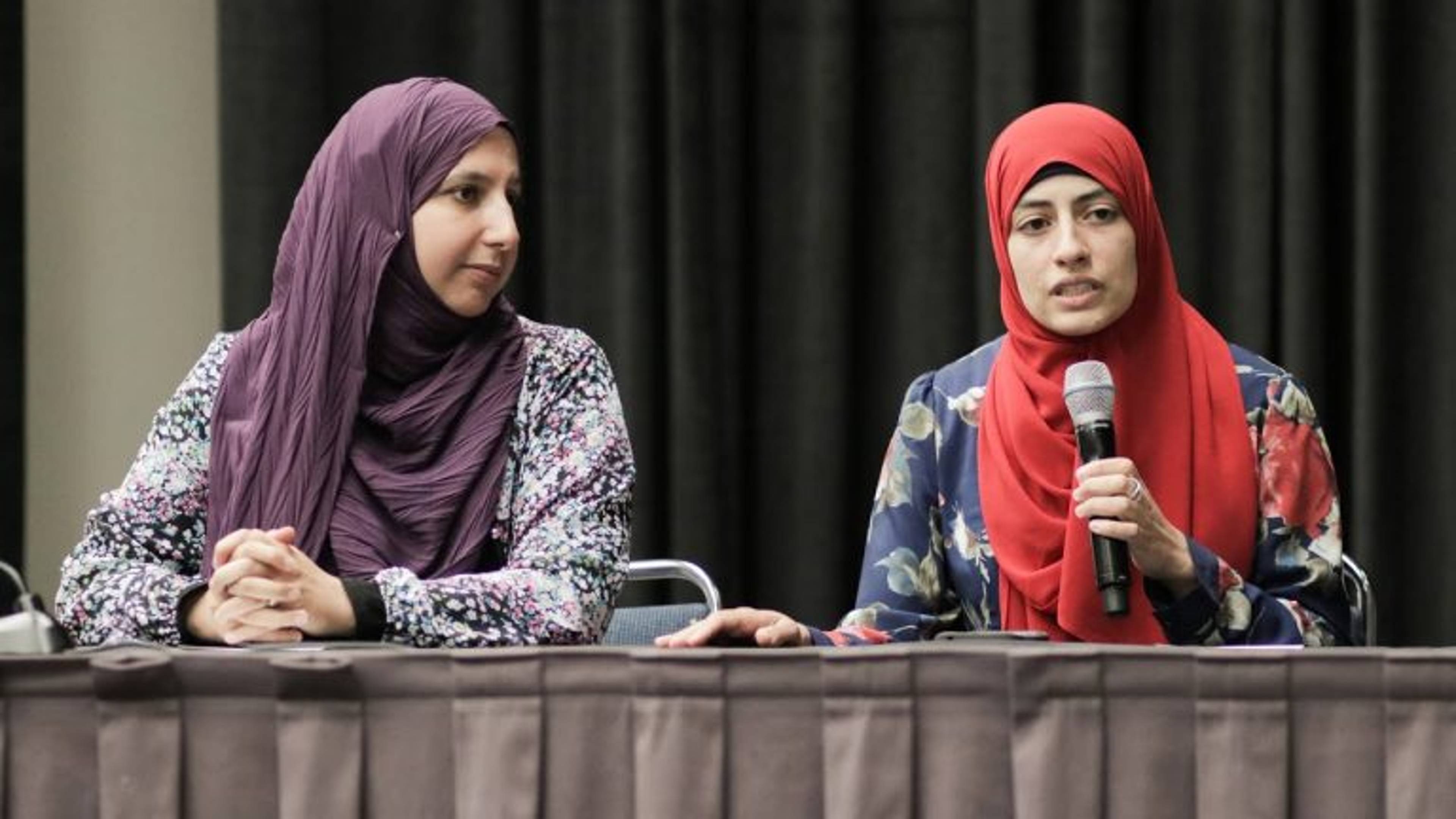
Understanding Traumatic Grief - Najwa Awad | ISNACON 2019

The Impact of Grief on Faith - Sarah Sultan | ISNACON 2019
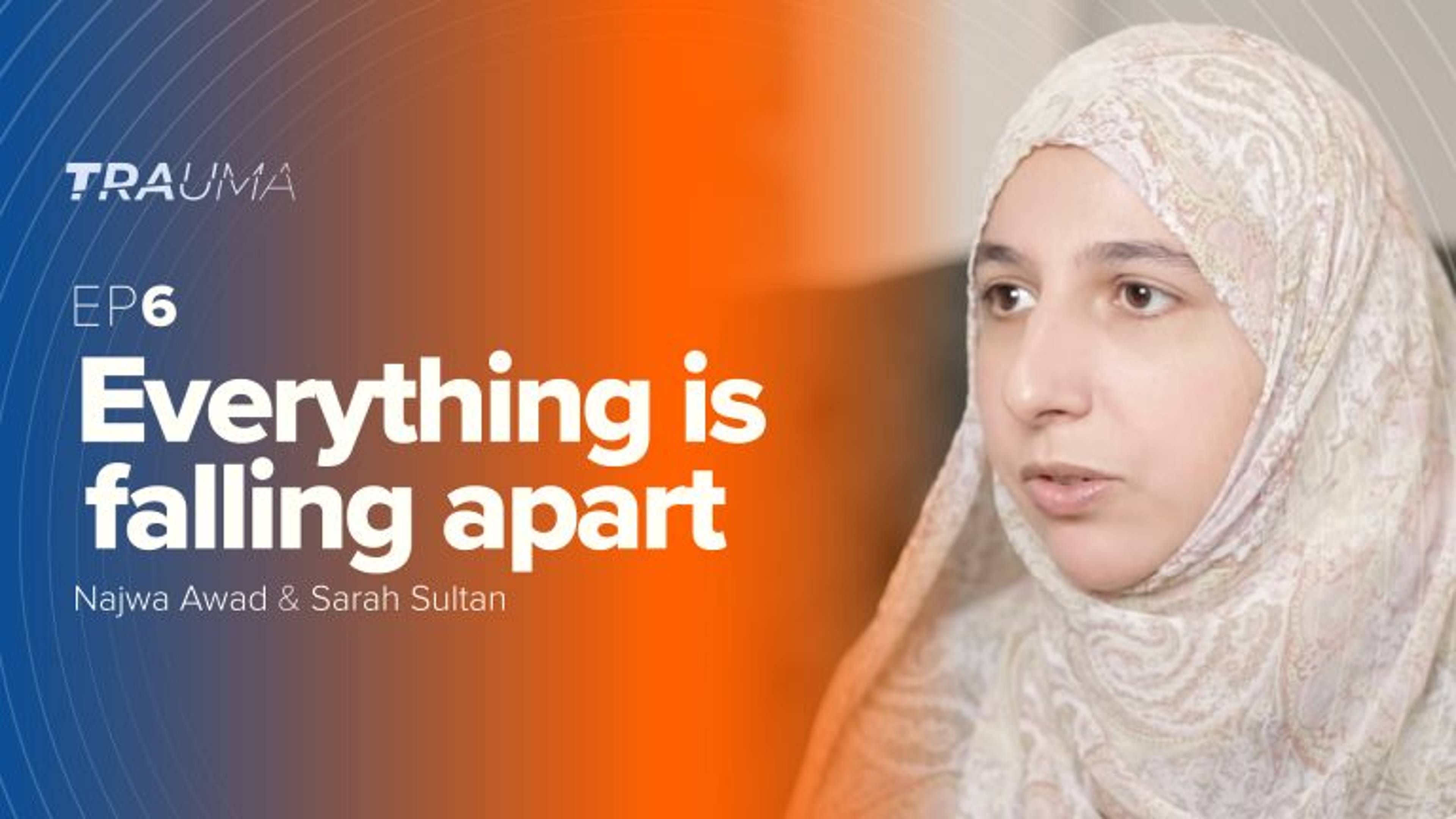
Everything is Falling Apart | Trauma Ep. 6
How Islam Addresses Grief - Dr. Altaf Husain | ISNACON 2019
The Duha Approach: A New Model to Treat Trauma - Najwa Awad | ISNACON 2019
The Rising Tide of Atheism - Sh. Mohammad Elshinawy | ICNA 2019
The Impact of Trauma on Faith - Sarah Sultan | ISNACON 2019
Addressing the Topic of Trauma and Faith - Sh. Omar Suleiman | ISNACON 2019

The Weeping Tree | Animation
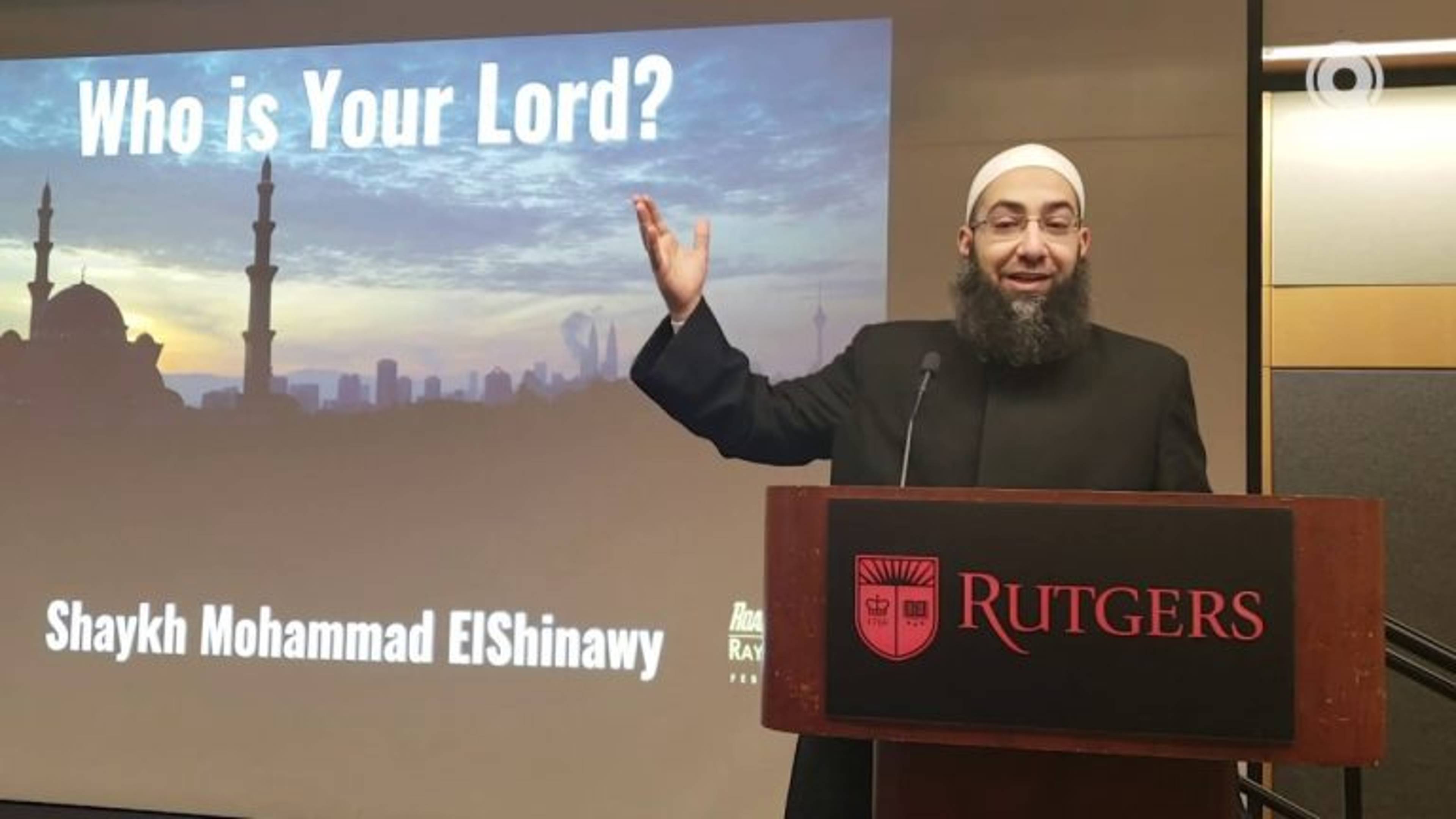
Why Does God Ask People to Worship Him? - Sh. Mohammad Elshinawy | Lecture

Victory through Sacrifice - Bilqis Abdul-Qaadir | Confident Muslim

What Do You “Smell” Like? - Sh. Omar Suleiman | Khutbah

Are Honor Killings an Islamic Phenomenon? | Animation
Keeping Masculinity from Trending Toxic - Dr. Jonathan Brown | Reframing the Gender Question
Navigating Adolescence - Dr. Altaf Husain | Reframing the Gender Question

What is Piety? | Animation

Speaking a Word of Truth to a Tyrant - Sh. Omar Suleiman | Khutbah

Overcoming Compassion Fatigue, Numbness, and Burnout - Sh. Omar Suleiman | Khutbah

The Generous | Episode 6 | To Know Him is to Love Him
Why Does Allah Hate Me So Much? | Trauma Ep. 5
How Can I Ever Trust Again? | Trauma Ep. 4
Gift Giving | Episode 5 | To Know Him is to Love Him

Becoming a Friend of Allah - Sh. Omar Suleiman | Khutbah
Gracious Dealings | Episode 4 | To Know Him is to Love Him
The Story of Hajar: Uncovering Certainty in Uncertainty - Sh. Omar Suleiman | Lecture

Did Islam Spread by the Sword? | Animation

Episode 10: "And in That Let Them Rejoice"

Episode 9: The Wonders of 'Arafah

Episode 8: 3 Years of Fasting

Episode 7: The Sacrifice

Episode 6: The Preferred Forms of Remembrance

Episode 5: Fasting the First 9 Days

Episode 4: The 10 Days of Moses

Episode 3: The Days Allah Swears By

Episode 2: The Best Good Deeds

Episode 1: The Sacred Months
Bonds and Relations | Episode 3 | To Know Him is to Love Him
Hope and Potential | Episode 2 | To Know Him is to Love Him
Perfection and Beauty | Episode 1 | To Know Him is to Love Him
The Role of Parents in Instilling Faith - Roohi Tahir | Yaqeen/MAS Academic Conference
To Know Him is to Love Him | Introduction by Sh. Omar Suleiman

The Universal Brotherhood | Animation

Speaking through Service - Rami Nashashibi | Confident Muslim

Is Islam to Blame for Violent Groups? | Animation
Why Bother Living if the Future is Filled with Pain? | Trauma Ep. 3

Day 30: Farewell, Ramadan | Ramadan Strong

Allah Loves Beauty | Episode 30

Day 29: Beware of Ramadanitis | Ramadan Strong

Allah Loves the Acceptance of His Gifts | Episode 29

Day 28: Practicing Istiqama for the Long Haul | Ramadan Strong

Allah Loves Being Prophetic | Episode 28

Day 27: Meeting the Best Version of Ourselves | Ramadan Strong

Allah Loves Generosity in Trade | Episode 27

Day 26: A Date with Destiny | Ramadan Strong

Allah Loves the Unnoticed | Episode 26

Day 25: The Value of Seclusion - Ihtikaf | Ramadan Strong

Allah Loves Your Mother | Episode 25

Day 24: When the Night Draws its Curtain —The Importance of Tahajjud | Ramadan Strong

Allah Loves Love | Episode 24

Day 23: Maximizing the Last Ten Days | Ramadan Strong

Allah Loves The Mosques | Episode 23

Allah Loves Cleanliness | Episode 22

Day 22: Charity in the Last 10 Nights | Ramadan Strong

Day 21: Ten Days Ahead, Another Chance? | Ramadan Strong

Allah Loves Punctual Prayer | Episode 21

Day 20: The Extra Good Deed | Ramadan Strong

Allah Loves Consistency | Episode 20

Day 19: The Man Who Thought He Thanked God Enough | Ramadan Strong

Allah Loves Due Diligence | Episode 19

Day 18: When Ramadan Breaks | Ramadan Strong

Allah Loves Forbearance and Deliberation | Episode 18

Day 17: Ramadans of Yore | Ramadan Strong

Allah Loves Humility Without Disgrace | Episode 17

Day 16: Detox by Day and Indulge By Night | Ramadan Strong

Allah Loves Gentleness | Episode 16

Day 15 | Overcoming the Mid-Ramadan Slump | Ramadan Strong

Allah Loves Honor | Episode 15

Allah Loves Healthy Pride | Episode 14

Day 14 | Praise be to Allah | Ramadan Strong

Day 13 | The Need for Consistency and Balance | Ramadan Strong

Allah Loves Independence | Episode 13

Allah Loves Strength | Episode 12

Allah Loves Beneficial People | Episode 11

Day 11: "...but I've already fallen behind in my Ramadan goals" | Ramadan Strong

Day 10: Your Qur'an Goals | Ramadan Strong

Allah Loves Justice | Episode 10

Allah Loves Patience | Episode 9

Day 9: Desire, Dedication, Discipline | Ramadan Strong

Allah Loves Trust | Episode 8

Day 8: Talking to Allah | Ramadan Strong

Allah Loves Tears and Traces | Episode 7

Day 7: The Importance of Documenting Progress | Ramadan Strong

Allah Loves Those Who Are Trying | Episode 6

Day 6: Being Excused from Fasting is a Gift From God | Ramadan Strong

Allah Loves Sincere Supplication | Episode 5

Day 5: Be Present | Ramadan Strong

Allah Loves Angelic Praise | Episode 4

Day 4: So That You Attain God-Consciousness | Ramadan Strong

Allah Loves Excellence | Episode 3

Day 3: Mindful Fasting to Feed Your Soul | Ramadan Strong

Allah Loves Repentance | Episode 2

Day 1: Not Just Another Ramadan | Ramadan Strong

Allah Loves Piety | Episode 1

Allah Loves: Series Introduction

Ramadan Strong: Series Introduction

Is Islam a Religion of Violence? | Animation
I Should've Gotten Over It by Now | Trauma Ep. 2
The Flexibility of Islamic Law - Tesneem Alkiek | 2018 Yaqeen/MAS Academic Conference
Conflict Resolution: The Line Between Justice and Peace - Sh. Omar Suleiman | Lecture
Spiritual Personality - Zohair Abdul-Rahman | 2018 Yaqeen/MAS Academic Conference
Racism in Our Ranks | Khutbahs with Purpose

Power to Change | Animation

Combating Islamophobia with Marketing and Design | #SXSW19

How to Cope with the New Zealand Mosque Shooting Tragedy | Trauma Special
Why Do Bad Things Only Happen To Me? | Trauma Ep. 1

The Miracle and The Mantle
Cultural Muslim Icons and Islam in the Lyrics
Meaningful Solidarity - Sh. Omar Suleiman | Lecture

Proto Islamic Movements through Self Determination

Early Sunni Movements and Jazz Musicians

The Quran in Chains

African Muslims in America Before Columbus

Your Lord Has Not Forsaken You | Trauma Series Introduction

Our Way of Speaking: A Sunnah of Allah | Animation
Conversations at The Carter Center: Harmonizing Religion and Human Rights
How Yaqeen is a Resource for Our Community - Sh. Omar Suleiman | Making Principled Progress

Everyone has a Different Path to Allah | Animation

Enabled by Faith - Sara Minkara | Confident Muslim

How to be a Mindful Muslim | Animation
An Imam & A Pastor in Conversation on Loving Jesus
Contextualizing the Life and Mission of Jesus | Lecture
How Yaqeen Heals Internalized Islamophobia - Dalia Mogahed | Making Principled Progress
How Yaqeen Works to Educate the Public - Dr. Jonathan A.C. Brown | Making Principled Progress

Animals Have Rights Over Us | Animation

There are Multiple Paths to Islam

The Bankrupt of My Nation | Animation

Are the whispers of Satan a type of OCD? | Animation

Ending the Debate on Aisha (ra)'s Age - Sh. Omar Suleiman | Lecture
Personal Accountability in Life and Faith - Sh. Mohammad Elshinawy | Lecture

When Does Allah Accept a Good Deed? | Animation

Why did the Prophet ﷺ ask for forgiveness in all situations? | Animation

Breaking Barriers without Breaking Principles - Tahera Rahman | Confident Muslim

Are you troubled by Aisha's (R) marriage to the Prophet Muhammad ﷺ?

Spiritual Benefits of Hajj Rituals | Animation
Station of Certainty | Lecture

Is Shari'ah the Most Barbaric Form of Law? | Animation

Proofs of Prophethood - Sh. Mohammad Elshinawy | Yaqeen in NY

Misquoting the Quran: "Kill Them Wherever You Find Them" | Animation

Hadith #40 - Incremental Change vs. Radical Reform

When the Angels Whisper | Animation
Hadith #39 - Without Justice, There Can Be No Peace
What causes Muslims to doubt Islam? | Animation

Hadith #38 - The Rights of the Environment Upon You
Appreciating Scholarship: Intro to Islamic Law - Tesneem Alkiek | Yaqeen in NY
The Infinitely Merciful and the Question of Hellfire - Mohammad Elshinawy | YM Youth Conference 2017
Atheism: Doubting Your Doubts - Asadullah Ali | Yaqeen in NY
Abortion in Islam | Animation

Episode 30: Show Us Guidance and Error | Prayers of the Pious

Episode 29: Beautify Me Internally | Prayers of the Pious

Episode 28: If You Have Written Me From The Sinful... | Prayers of the Pious

Episode 27: You Took My Kids | Prayers of the Pious

Episode 26: You Are You, and I Am Me | Prayers of the Pious

Episode 25: Oh Teacher of Abraham | Prayers of the Pious

Episode 24: Your Beautiful Veil | Prayers of the Pious

Episode 23: My Sincerity to Your Creation | Prayers of the Pious

Episode 22: Your Perfect Light | Prayers of the Pious

Episode 21: Death After Fajr | Prayers of the Pious Ramadan Series

Episode 20: Don't Ask Allah for Patience | Prayers of the Pious
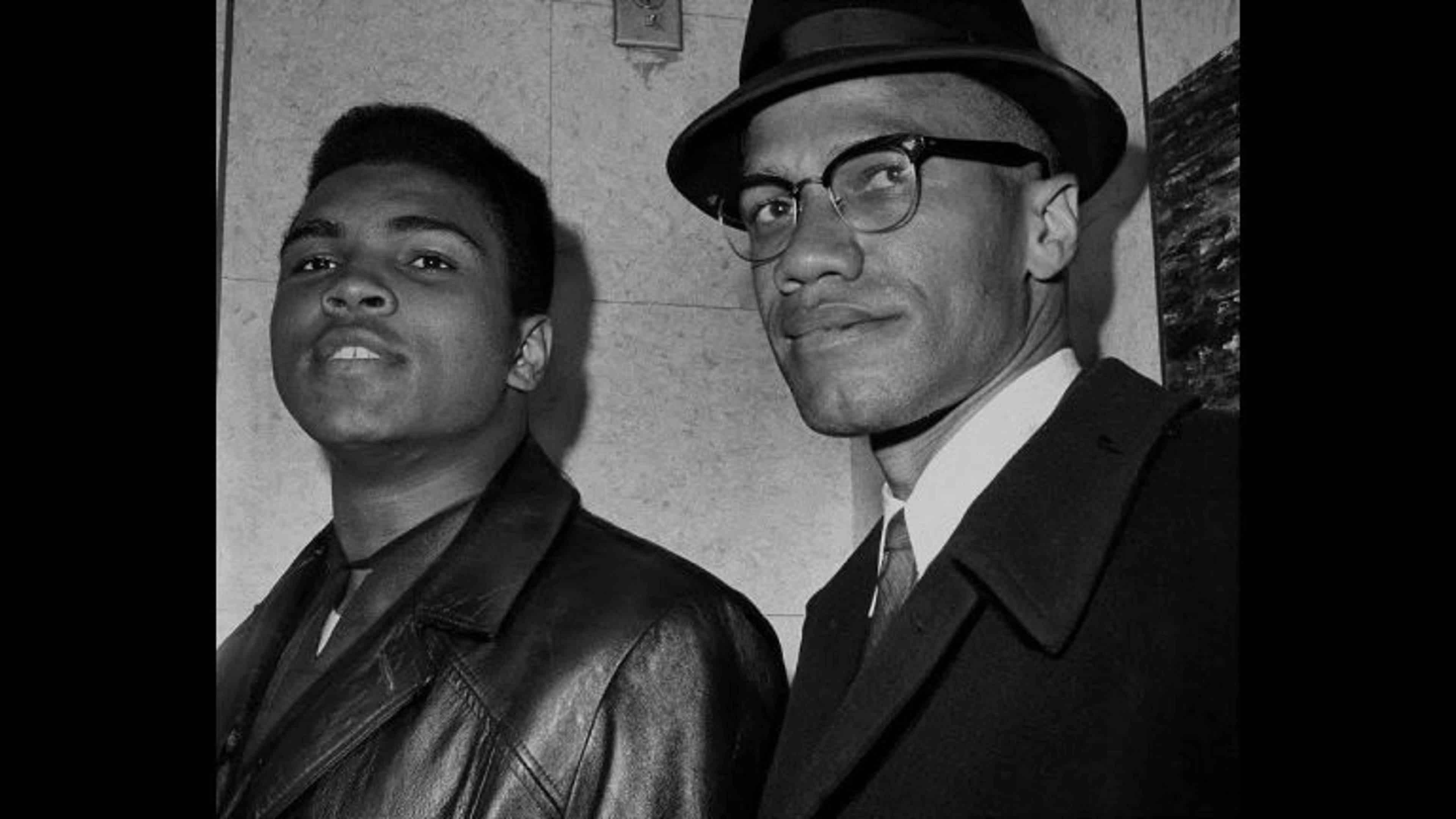
Seeds of Greatness: Malcolm X and Muhammad Ali

Episode 19: Make Me Better Than What They Think | Prayers of the Pious

Episode 18: A Reminder of My Illness | Prayers of the Pious

Episode 17: His Prayer Amazed the Prophet ﷺ | Prayers of the Pious

Episode 16: A House on Fire | Prayers of the Pious

Episode 15: The Prayer of a Tree | Prayers of the Pious

Episode 14: My Evil vs. His Good | Prayers of the Pious

Episode 13: A Station of Patience Without Trial | Prayers of the Pious

Episode 12: Don’t Make an Example Out of Me | Prayers of the Pious

Episode 11: Don’t Punish a Tongue of Praise | Prayers of the Pious

Episode 10: A Prayer More Powerful Than the Wind | Prayers of the Pious

Episode 9: The Greed of the Soul | Prayers of the Pious

Episode 8: The Precious Prayer of A Mother | Prayers of the Pious

Episode 7: O Allah, You Know That I Love You | Prayers of the Pious

Episode 6: The Highest Companionship in the Highest Garden | Prayers of the Pious
The Pursuit of Certainty - Sh. Yaser Birjas | Lecture
Episode 5: The Hand That Kills Me | Prayers of the Pious

Episode 4: Enormity of My Sins vs His Mercy | Prayers of the Pious

Episode 3: A Covenant with Allah | Prayers of the Pious

Episode 2: His Door is Always Open | Prayers of the Pious

Episode 1: The Best of My Days | Prayers of the Pious
Islam, A Coherent Social Justice Tradition | Omar Suleiman | 16th MAS-ICNA Convention

Hadith #37 - When Animals Indict Humans for Cruelty

Prayers of the Pious Ramadan Series

How do we know God exists? | Animation

Hadith #36 - The Prophet's Doctors and Islam's History of Healthcare

Hadith #35 - The Rights of Those with Disabilities

Hadith #34 - "We Used to Have No Regard for Women"

Taqiyya - License to Lie? | Animated Video

Our Muslim Youth Are Hurting
Does Islam Need Saving? An Analysis of Human Rights | Nour Soubani | 16th MAS-ICNA Convention

Religious Minorities Under Muslim Rule | Animation

Unity, Humanity, and Identity - Councilman Basheer Jones | Confident Muslim

Hadith #33 - The Injustice of Stereotypes and Collective Guilt

Dealing with Isolation: Learning from Islam’s Original Converts - Omar Suleiman | Lecture
Repentance in Islam, Tawbah A Cornerstone of Faith - Roohi Tahir | 16th MAS-ICNA Convention

Hadith #32 – Racism and Tribalism

Hadith #31 – Islamic Ethics Regarding Asylum, Refugees, and Migration

On Finding Your Purpose and Investing in the Youth - Ibn Ali Miller | Confident Muslim
Why Do Innocent People Suffer? - Sh Omar Suleiman

Hadith #30 – Slavery in Islam

Unchained: The Full Story of Bilal Ibn Rabah

Hadith #29 – The Rights of the Elderly on Society

Hadith #28 – The Rights of your Aunts, Uncles, In-laws, and Extended Family
Hadith #27 – Framing How Rights Work in a Marriage
Hadith #26 – The Sin of Favoritism
Reclaiming the Narrative About Our Prophet ﷺ | Part 2
Hadith #25 – Justice Between Parents & Children
Hadith #24 – Insurance Companies and Vulnerable Citizens

Hadith #23: Why is Riba Haram?
Hadith #22 - The Root of All Social Injustice
Hadith #21 - The Characteristics of a Pious Employee
Hadith #20: “Before the Sweat Dries…”
Hadith #19: "The Definition, Categories, and Prohibition of Torture in Islam"
Hadith #18: "He is Not a Believer Whose Neighbor is Not Secure From His Harm"
Hadith #17: Righteous Anger
Reclaiming the Narrative About Our Prophet ﷺ | Part 1

Behind the Veil: The Intersection of Religion, Politics, and Culture
Hadith #16: A Show of Strength
Hadith #15: Building a Coalition of Justice

Sayedaty Ep. 10: Hawa Aden Mohamed

#ConfidentMuslim Ryan Harris on Cherishing Your Muslim Identity
Hadith #14 – Elitist Privilege

Sayedaty Ep. 9: Zobaida bint Jaafar

#ConfidentMuslim Shaffin Siddiqui on Using Your Skills to Help Others

Sayedaty Ep. 8: Arwa bint Ahmed

#ConfidentMuslim Salman Abdul Majeed on Prioritizing Others Over Ourselves

Sayedaty Ep. 7: Amina of Zaria

Sayedaty Ep. 6: Sutayta Al-Mahāmali

#ConfidentMuslim Heraa Hashmi on MuslimsCondemn.com

Sayedaty Ep. 5: Nusayba bint Kaab

"Teach Me From That Which Allah Has Taught You" - Mohammad Ouyoun #ConfidentMuslim

Sayedaty Ep. 4: Rabiah Al-Adawiyya

Sayedaty Ep. 3: Nafisah bint al-Hasan

Sayedaty Ep. 2: Zaynab al Ghazali al Jubayli

Ep. 30: The End of the Journey of Faith | The Faith Revival

Ep. 29: Yaqeen is Full Faith | The Faith Revival

Ep. 28: The Ultimate Gift | The Faith Revival

Ep. 27 Bend Don't Break | The Faith Revival

Ep. 26: Friends of Faith | The Faith Revival

Ep. 25: Fortress of Faith| The Faith Revival

Ep. 24: Quran: The Guardian of Faith | The Faith Revival

Ep. 23: Unreasonable Goals | The Faith Revival

Ep. 22: Why Do People Leave Faith? | The Faith Revival

Ep 21: They Don't Believe Until... | The Faith Revival

Ep. 20: Sweetness of Faith | The Faith Revival

Ep. 19: Faith in Hardship | The Faith Revival

Ep. 18: Envy and Faith | The Faith Revival

Ep. 17: Poverty Leads to Disbelief | The Faith Revival

Ep. 16: Two Hungry Wolves | The Faith Revival

Ep. 15: The Faith of the Prophets Before | The Faith Revival

Ep. 14: Allah Rewards You for Your Doubts If... | The Faith Revival

Ep. 13: Guidance After Iman | The Faith Revival

Ep. 12: Omar Was Always In The Zone | The Faith Revival

Ep. 11: Remembers His Place in Front of Allah | The Faith Revival

Ep. 10: Move Beyond the Catalyst | The Faith Revival

Ep. 9: Ammar's Heart and Omar's Shirt | The Faith Revival

Ep. 8: Two Supplications of the Prophet | The Faith Revival

Ep. 7: You're No Angel | The Faith Revival

Ep. 6: Healthy Fluctuations | The Faith Revival

Ep. 5: Even If Abu Dharr Doesn’t Like It | The Faith Revival

Ep. 4: He is Not a Believer When... | The Faith Revival

Ep. 3: Shaky Foundations | The Faith Revival

Ep.2: Your Faith Wears Out | The Faith Revival

Ep. 1: Faith is Refuge | The Faith Revival

Introducing Our Sayedaty Series by Tesneem AlKiek

Sayedaty Ep. 1: Aisha Bint Abu Bakr

Helping Those Who Have Nothing - Abd Al-Rahman Traboulsi #ConfidentMuslim

Building (The Difficult) Bridges - Nabeel Alauddin #ConfidentMuslim

Getting to Know Your Neighbor - Ummesalmah Abdulbaseer #ConfidentMuslim

Confident Muslim - A Yaqeen Institute Initiative

Reviving a Lost Sunnah: Adoption and Foster Care in Islam
Hadith #13 – Corrupt Lawyers and Unserved Justice
Hadith #12 – Whoever Deceives is Not One of Us

Confident Muslim - ICNA 2017
Hadith #11 – Don't "Shortchange" Anyone
Hadith #10 - The "Everyone Else Does It" Fallacy
Hadith #9 - Responding To Evil With Good
Hadith #8 - The Right to Water, Food, and Shelter
Hadith #7 – The Ruling on Silence and Injustice
Hadith #6 - A Word of Truth in the Face of An Oppressor
Hadith #5 - You Will Be Asked About Your Potential
Hadith #4 - To Seek or Not to Seek Leadership
Religious Minorities Under Islamic Rule - Tesneem Alkiek
Dr. Jonathan Brown - How to Approach Hadith - Verifying and Understanding Hadith
How Prophet Muhammad (PBUH) Dealt With His Enemies - Sh Omar Suleiman
Rise up to Reclaim Our Narrative #SupportYaqeen
Why Some American Muslim Youth Are Doubting Their Faith
Cultivating Conviction (Yaqeen) - Mohammad Elshinawy
Prophet Muhammad - The Epitome Of Mercy
Hadith #3 - From the Scrolls of Abraham
Hadith #2 - God is More Capable Than You
Hadith #1 - The Gravity of Injustice

An Imam, A Pastor, and A Dream
Islam’s Take on Modernity and Progress
Is Islam to Blame for ISIS?

Hadith Filters
Surah Al-Masad & Atomic Habits | Imam Tom Weekly
Surah Al-Masad & Atomic Habits | Imam Tom Weekly

How does arrogance blind us to the truth and seal our fate? In this episode, Imam Tom Facchine unpacks the powerful word Tabbat in Surah Al-Masad, exploring how Abu Lahab’s arrogance led to his eternal downfall and why his story holds timeless lessons for us. Paired with insights from Atomic Habits, Imam Tom dives into the psychology of making good habits attractive, tricking your brain to enjoy the hard but rewarding choices, and understanding how emotions play a critical role in shaping our actions.
