Why the Islamic Calendar Matters | Snapshots with Imam Tom Facchine
What Activism Is Missing Today | Snapshots with Imam Tom Facchine

How to Stop Chasing Validation | Snapshots with Imam Tom Facchine

Is This Da’wah or Entertainment? | Snapshots with Imam Tom Facchine

Islam Isn’t Just Therapy | Snapshots with Imam Tom Facchine

How Your Victim Mindset is Destroying You | Snapshots with Imam Tom Facchine
Modesty Is More Than What You Wear | Snapshots with Imam Tom Facchine
Will Recognition Help Palestine? | Snapshots by Imam Tom Facchine

Living Up to the Prophet’s ﷺ Final Speech | Snapshots with Imam Tom Facchine

How Should We View Gaza’s Celebrity Support? | Snapshots with Imam Tom Facchine

How to Stop Falling for Fake Mahdis | Snapshots with Imam Tom Facchine

Why You Can’t Escape Organized Religion | Snapshots with Imam Tom Facchine
Kings Chased Thrones. He ﷺ Chased This Instead | Snapshots with Imam Tom Facchine

What Real Masculinity Looks Like | Snapshots with Imam Tom Facchine

The Truth About AI’s Intelligence | Snapshots with Imam Tom Facchine
What the Qur’an Says About Christianity | Snapshots with Imam Tom Facchine

How Does the Qur’an View the Bible? | Snapshots with Imam Tom Facchine

What ‘Allahu Akbar’ Really Means (And Why It Scares Them) | Snapshots with Imam Tom Facchine
Debunking the Myth of the ‘Oppressed Muslim Woman’ | Snapshots with Imam Tom Facchine
What Sharia Law Actually Means | Snapshots with Imam Tom Facchine
Does Islam Actually Oppose Science? | Snapshots with Imam Tom Facchine

How ‘Taqiyya’ Became an Islamophobic Talking Point | Snapshots with Imam Tom Facchine
Who's Your Real Enemy? | Snapshots with Imam Tom Facchine
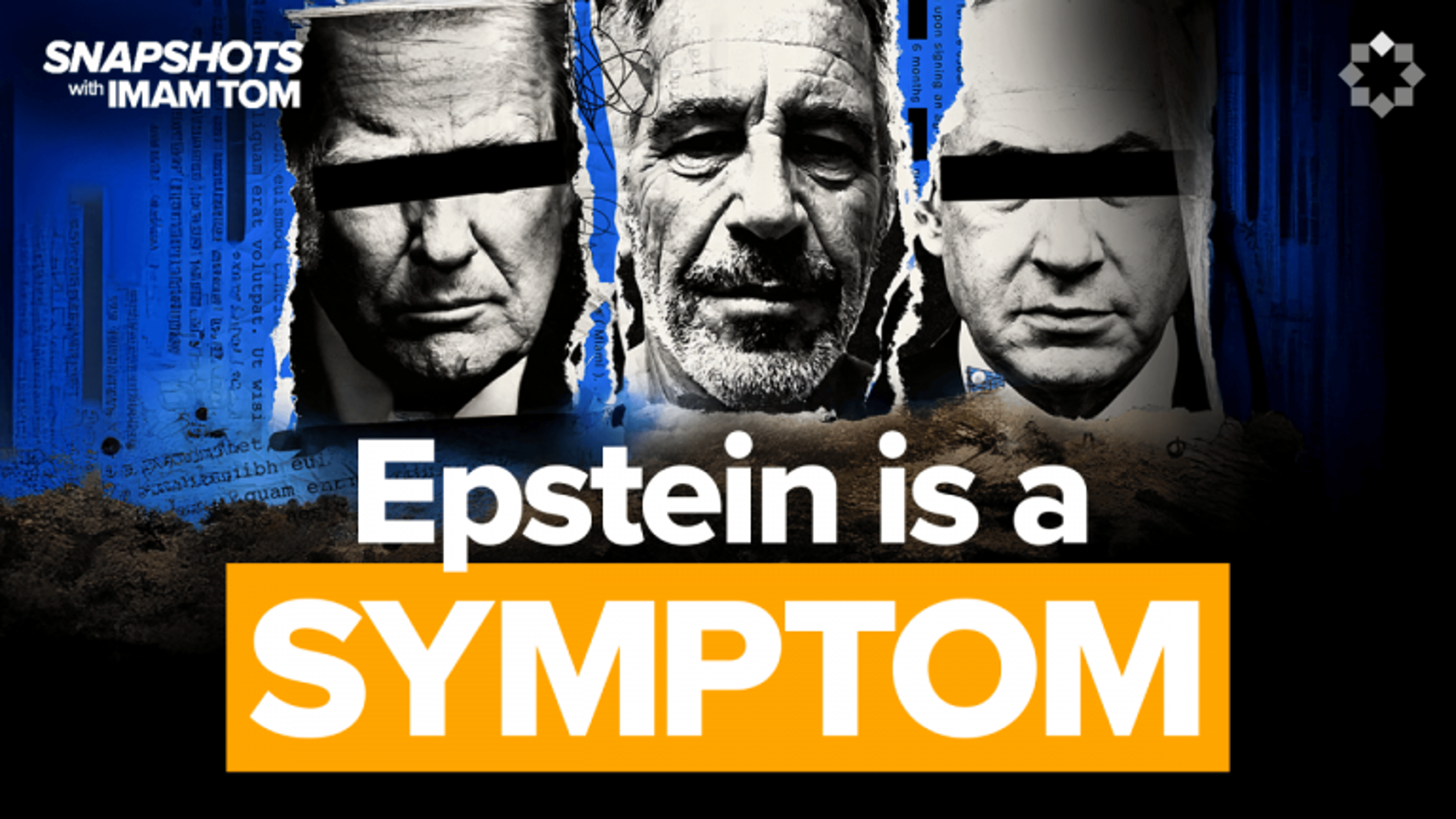
Epstein and the Double Standard of Justice | Snapshots with Imam Tom Facchine
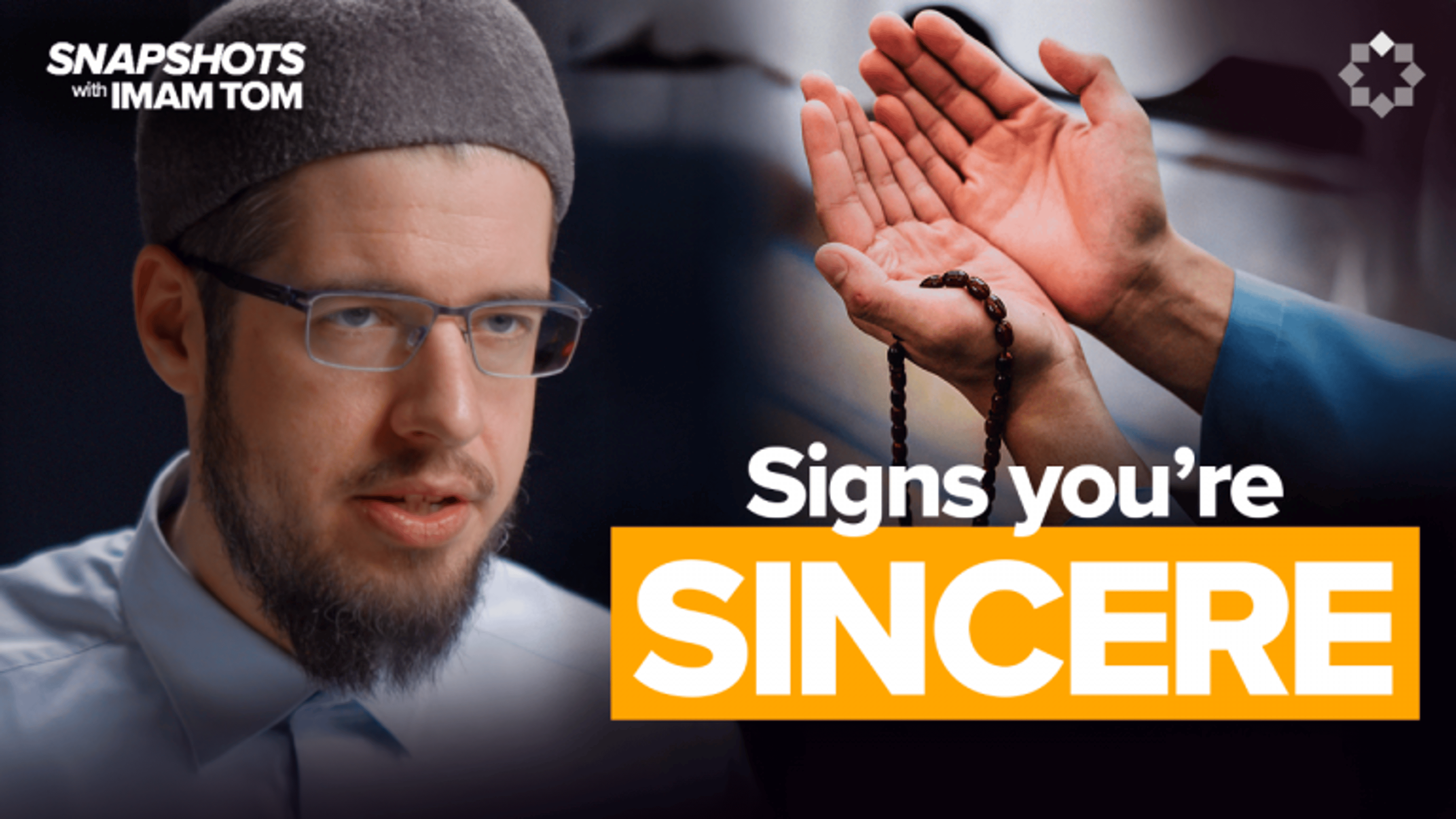
Are You Sincere? | Snapshots with Imam Tom Facchine

Intelligence vs. Wisdom in Islam ( And What Iblis Teaches Us) | Snapshots with Imam Tom Facchine
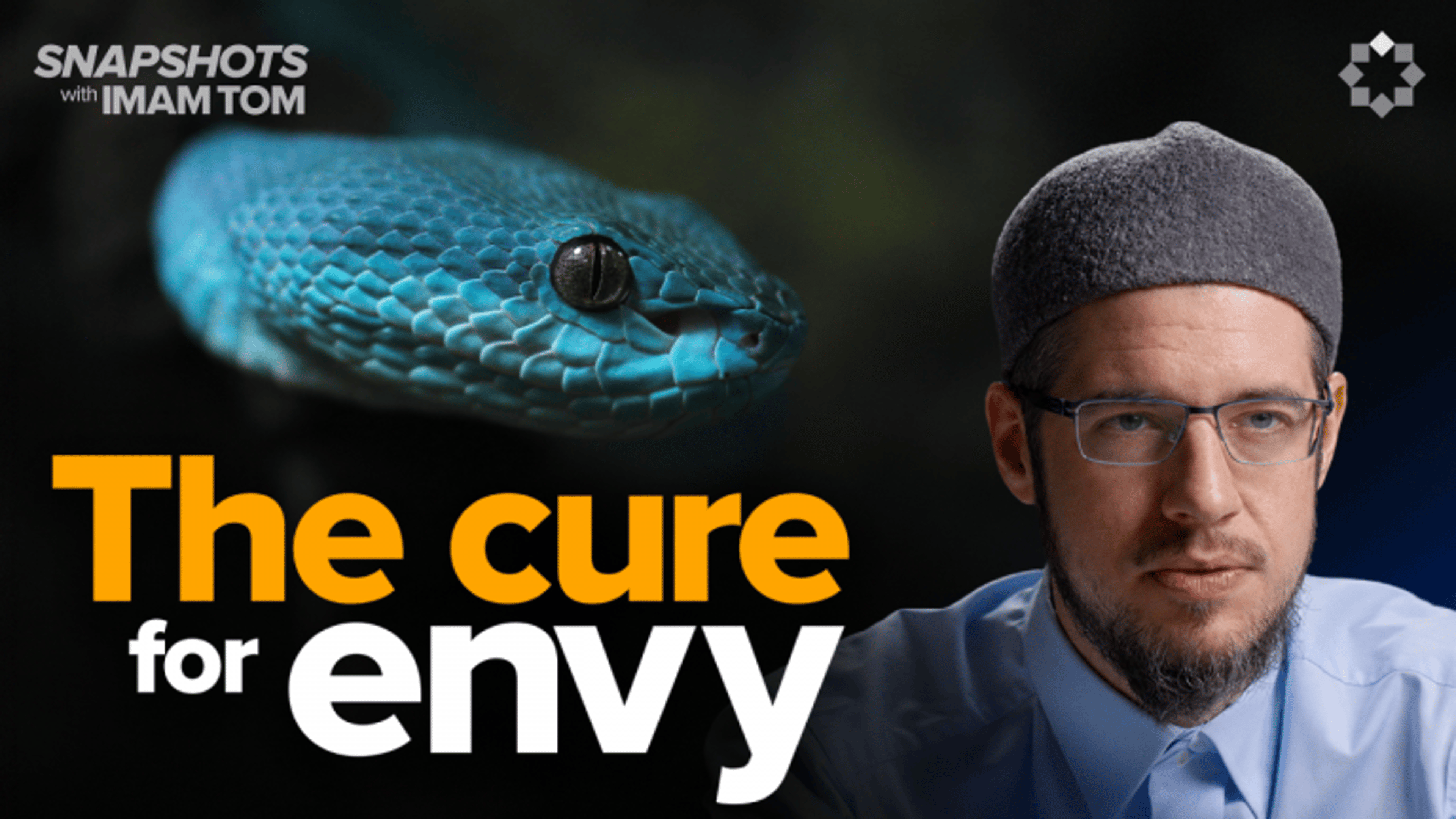
Why Toxic Competition Feels Normal (But Isn't) | Snapshots with Imam Tom Facchine

Why Flock Cameras Aren’t Making Us Safer | Snapshots with Imam Tom Facchine

The Difference Between Knowledge and Discernment | Snapshots with Imam Tom Facchine
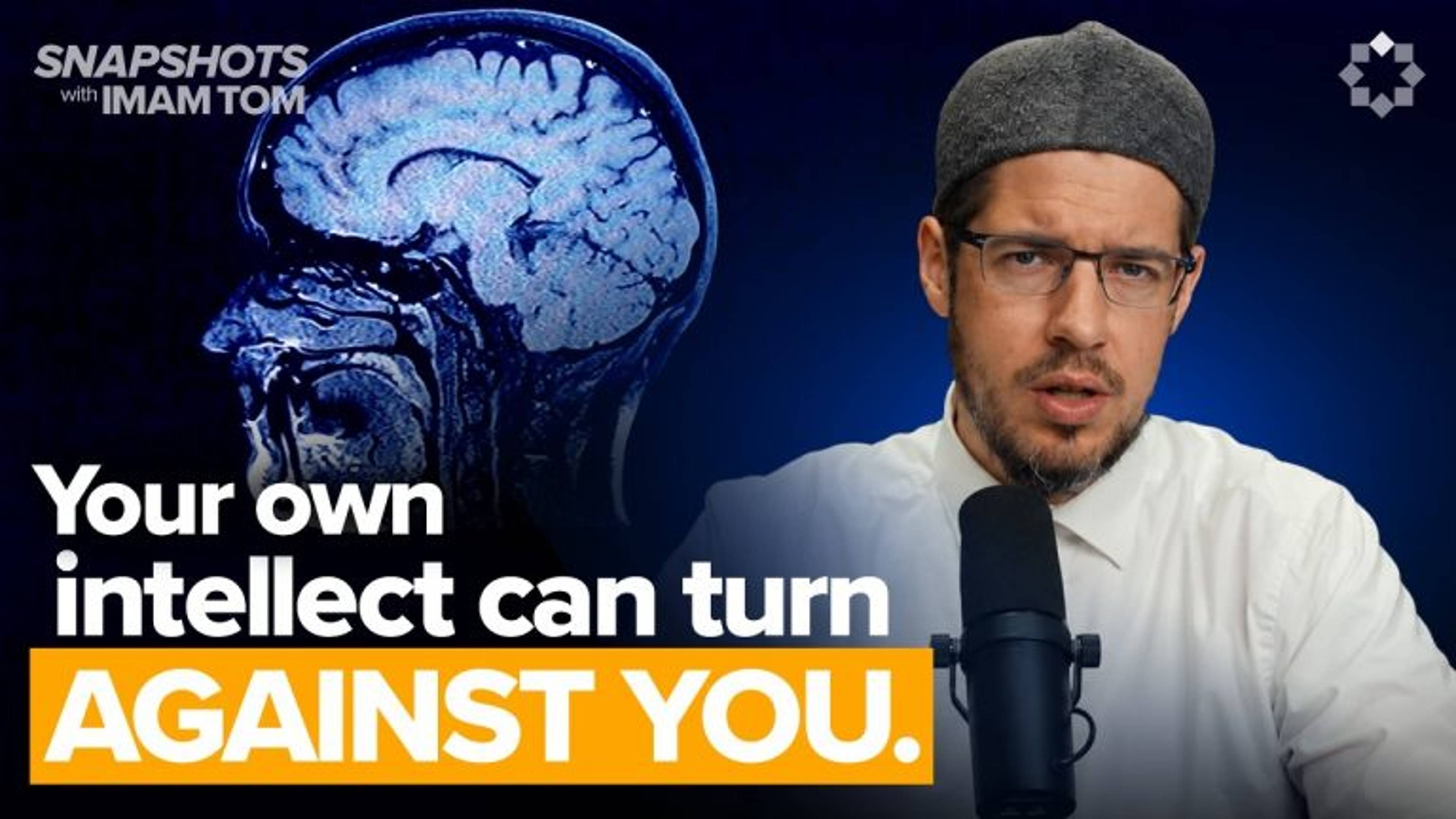
The Devil Whispers. Your Intellect Does the Rest | Snapshots with Imam Tom Facchine

The Illusion of False Choices and How to See Through Them | Snapshots with Imam Tom Facchine
Why Harmful Ideas Contain Some Truth | Snapshots with Imam Tom Facchine

White Supremacy, Capitalism, Secularism: 3 Lenses Affecting Your Worldview | Focal Point | Imam Tom
Snapshots with Imam Tom Facchine
How to Stop Falling for Fake Mahdis | Snapshots with Imam Tom Facchine

Believing in the coming of the Mahdi is an aspect of creed and Islamic theology, but is there a point where fixating on it crosses the line? Are we using the Mahdi as a fallback, one that allows us to put in less effort and deflect our responsibilities to the Ummah?
It’s time to acknowledge that obsessing over the End Times might not be constructive. Imam Tom breaks down how to navigate these concerns without deflecting our responsibilities as an ummah.